Everything You Need to Know About Installing a 220 Volt Outlet for Your Electric Car
|
Getting your Trinity Audio player ready...
|
Everything You Need to Know About Installing a 220 Volt Outlet for Your Electric Car
Introduction
Making the switch to an electric vehicle brings a mix of excitement and practical questions. I remember when my neighbor bought his first EV and spent three days charging it with a regular wall outlet before realizing there was a better way. The reality is that most new EV owners face the same learning curve about home charging.
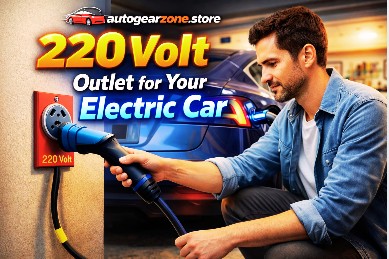
A 220 volt outlet for electric car charging bridges the gap between those painfully slow standard plugs and the pricier hardwired charging stations. You get significantly faster charging without breaking the bank on installation. If you’re thinking about going electric or already have an EV sitting in your driveway, understanding this charging option can genuinely change your daily routine. Let me walk you through what actually works based on real-world experience.
Key Takeaways
- A 220 volt outlet for electric car charging typically delivers 240 volts and significantly reduces charging time compared to standard 120-volt outlets.
- Professional installation by a licensed electrician is essential for safety and code compliance.
- The NEMA 14-50 outlet is the most common receptacle type for Level 2 home EV charging.
- Installation costs generally range from $300 to $1,200 depending on distance from the electrical panel and existing infrastructure.
- Most electric vehicles can fully charge overnight using a 220v ev charger outlet installation.
Free PDF Download, Installing a 220 Volt Outlet for Your Electric Car
220-volt-outlet-electric-car-guideExpert Tips for New EV Owners
Expert Tip: When planning your 220v ev charger outlet installation, consider future needs beyond just one vehicle. Installing a slightly larger circuit now—say, a 60-amp circuit instead of 40-amp—adds minimal cost during initial installation but provides capacity if you add a second EV later or upgrade to a faster charger. Adding capacity later requires redoing much of the work at higher total cost.
Understanding the Basics of Electric Car Charging at Home
Owning an electric vehicle flips everything we learned about refueling on its head. Instead of making weekly trips to gas stations, you simply plug in when you get home. The big question is how fast your car actually charges. Standard outlets in your home deliver 120 volts, which technically works but feels like watching paint dry. You might gain only 4 miles of range per hour.
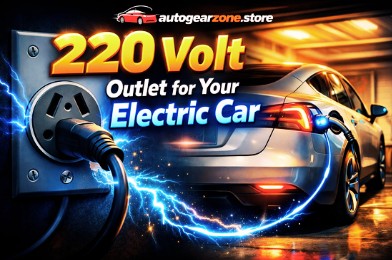
Here’s where things get interesting. What most people call a “220 volt” outlet actually delivers 240 volts in North America. These are Level 2 chargers and they use the same power as your electric dryer or kitchen range. The voltage bump means your battery fills up much quicker. Think of it this way: if Level 1 charging is like filling a swimming pool with a garden hose, then a 240 volt outlet for electric car charging is like using a fire hose.
Why Voltage Matters for Charging Speed
The science behind voltage and charging speed is actually pretty simple once you break it down. Higher voltage lets more electrical current flow safely to your vehicle without overheating the wiring. Picture water flowing through pipes of different sizes. A narrow pipe trickles water slowly while a wider one gushes. That’s essentially what happens with voltage.
When you install a 220 volt outlet for electric car charging, you’re typically looking at 16 to 50 amps of power delivery. Most EVs handle about 32 amps on a 40-amp circuit, giving you roughly 7.7 kilowatts. In practical terms, you add around 25 to 30 miles of driving range every hour the car charges. Compare that to a regular wall outlet giving you maybe 4 miles per hour. For someone driving 35 miles daily, your car fully recharges overnight without any hassle.
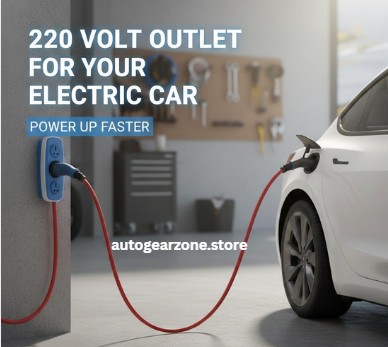
Common Types of 240-Volt Outlets for EV Charging
The NEMA 14-50 Outlet Standard
Walk into any hardware store and ask about EV charging outlets, and they’ll point you straight to the NEMA 14-50. This has become the default choice for home installations, and for good reason. It handles up to 50 amps continuously, though most people use it with 40-amp chargers to stay within safe operating limits. You’ll recognize it by the four prongs: two hot wires for power, one neutral, and one ground for safety.
What makes this outlet particularly smart is its versatility. Most portable 220v ev charger models ship with NEMA 14-50 plugs already attached. Even better, RV parks across the country use these same outlets, which means you can charge while camping or traveling. The outlet itself runs about $20 to $40, though getting it professionally installed costs significantly more. Still, it’s a solid investment that gives you charging options beyond just your garage.
NEMA 6-50 and Other Alternatives
The NEMA 6-50 deserves mention as a solid backup option to the 14-50. This three-prong outlet skips the neutral wire but still pumps out 240 volts at 50 amps. You’ll often spot these in home workshops where people run welding equipment. Some EV owners actually prefer this setup because running one less wire can trim installation costs a bit.
There are other configurations floating around like the NEMA 6-20 and 14-30, but honestly, they provide less power and slower charging. Before you commit to any outlet type, check what your specific EV charger needs. Modern Level 2 chargers usually work with multiple outlets through simple adapter plugs. That said, matching the outlet to your charger from day one saves you from buying adapters and wondering if you’re getting optimal charging speed.
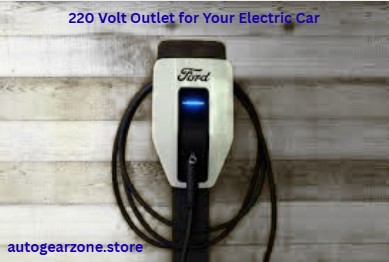
What Makes a Good 220V EV Charger
Features to Look for in Quality Chargers
After watching friends waste money on cheap chargers that failed within months, I can tell you that quality matters here. The best 220v ev charger balances durability, safety, and ease of use. Always look for UL or ETL certification labels, which prove the unit passed serious safety testing. A weather-resistant housing protects the electronics whether you mount it outside or in an unheated garage. Cable length deserves attention too. A 25-foot cable gives you flexibility to park in different spots without playing automotive Tetris.
Smart features have gotten really good in recent years. WiFi-enabled chargers let you track charging sessions from your phone, schedule charging when electricity rates drop at night, and monitor exactly how much power you’re using. Some units even sync with home solar systems or smart home setups. These extras typically add $100 to $300 to the price, with many solid smart chargers hovering around $121 for basic connectivity. Whether you need those features depends on your situation, but they’re genuinely useful if you pay time-of-use electricity rates.
Portable vs. Hardwired Charging Solutions
Here’s a decision that stumped me when I first looked into EV charging. A portable 220v ev charger plugs straight into an outlet, which means you can unplug it and take it with you. This works great for renters, people who might move, or anyone wanting to charge at multiple locations. Installation runs cheaper because you’re just adding an outlet rather than mounting a permanent charging station. Decent portable units cost anywhere from $300 to $800.
Hardwired chargers connect directly into your home’s electrical system without any plug. They often deliver a bit more power and look cleaner on your garage wall. The downside? Taking one with you when you move means hiring an electrician to disconnect it, and you’ll need another installation at your next place. For homeowners planning to stay put for five or more years, either option works fine. The choice usually boils down to whether you value portability or a permanent installation.
The Installation Process for a 240-Volt EV Outlet
Assessing Your Electrical Panel Capacity
Before any electrician installs an outlet for ev charger level 2, they need to check your electrical panel capacity. Most homes built after 1980 have 200-amp service, which usually handles an EV charging circuit without breaking a sweat. Older homes with 100-amp panels might need upgrading, especially if you’re already running electric heat, central air, and major appliances.
A qualified electrician will calculate your total electrical load and figure out if adding a 40 or 50-amp circuit makes sense safely. They’ll examine your panel for open breaker slots and verify your main service can handle the extra demand. If your panel maxed out its capacity years ago, upgrading runs between $1,500 and $3,000 depending on where you live and what’s involved. Yes, that stings financially, but it’s a one-time expense that upgrades your entire home’s electrical infrastructure, not just EV charging.
Running the Circuit and Installing the Outlet
Once your electrician confirms adequate capacity, the real work begins. They’ll run properly sized wire from your electrical panel to wherever you park and charge. For a 50-amp circuit, expect 6-gauge copper wire or 4-gauge aluminum wire. Distance matters enormously here. Installing a 220v car outlet right beside your electrical panel might cost $300 to $500. Running wire across a large garage or out to an exterior wall could push costs to $1,200 or higher.
Your electrician mounts a weatherproof outlet box about 3 to 4 feet off the ground for comfortable access. They install a dedicated circuit breaker in your panel, route the wire through walls or protective conduit, and make all connections according to code. After everything’s wired up, they test the circuit to confirm it works safely and meets local requirements. Don’t forget permit fees, which vary wildly but typically add $50 to $200 to your total bill depending on your city or county.
Safety Considerations and Code Compliance
Let me be blunt here: electrical work can kill you or burn down your house if done incorrectly. That’s why most places require licensed electricians for this type of installation. Improperly installed circuits cause house fires, destroy expensive EV charging equipment, or create deadly electrocution risks. Local building codes specify everything from wire thickness to outlet placement, all designed to keep you safe.
GFCI protection requirements differ based on where you live and where you install the outlet. Some areas mandate ground fault circuit interrupter protection for EV charging, particularly for outdoor installations where moisture creates additional hazards. Your electrician knows the specific code requirements for your area. Never attempt DIY installation unless you’re actually a qualified electrician yourself. The money you might save vanishes instantly if something goes wrong, and your homeowner’s insurance probably won’t cover damage from unpermitted electrical work.
How Long Does It Take to Charge Your Electric Car
Charging Time Factors and Variables
People always ask “how long to charge an electric car at a charging station” expecting a simple answer, but it genuinely depends on several things working together. Battery size tops the list. A compact EV with a 40-kilowatt-hour battery charges way faster than a big SUV packing a 100-kilowatt-hour battery. How depleted your battery is also plays a role. Charging from 20% to 80% happens quicker than topping off from 80% to 100% because the charging slows down as the battery nears full capacity.
Your charger’s power output directly controls charging speed. A 240 volt outlet for electric car charging pushing 7.7 kilowatts can fully charge most regular-sized EVs in 6 to 10 hours from nearly empty. If you’re just replacing the 30 or 40 miles you drove that day, charging might only take 2 to 3 hours. Temperature throws another variable into the mix. Cold weather slows everything down while moderate temperatures let your battery charge at full speed.
Typical Charging Scenarios at Home
Here’s what actually happens in real life when you use a 220 volt outlet for electric car charging at home. You pull into your driveway after work with somewhere between 30% and 60% battery remaining. You plug in the car before making dinner or heading to bed. The car charges overnight while you sleep and electricity rates hit their lowest point. You wake up to a fully charged battery. The exact hours don’t really matter because everything happens while you’re doing other things.
Let me give you a concrete example from my research. Take a Tesla Model 3 Standard Range with its 57.5-kilowatt-hour battery. Using a 240-volt outlet with a 32-amp charger delivering 7.7 kilowatts, charging from completely empty to full takes roughly 7.5 hours. Most days you won’t come home on empty, so actual charging time runs more like 3 to 5 hours. Even larger vehicles like the Ford F-150 Lightning with a massive 98-kilowatt-hour battery fully charge overnight on a 240-volt circuit, though it takes closer to 12 hours starting from nearly empty.
Cost Considerations for Home EV Charging Setup
Initial Installation Investment
Getting a 220v ev charger outlet installation done properly involves a few different costs that add up. The outlet itself and basic materials run about $50 to $150. Electrician labor represents the biggest chunk of your bill, typically $75 to $150 per hour depending on where you live. Most installations take somewhere between 2 and 6 hours based on how complex your situation is. Permit fees vary wildly from one place to another. Put it all together and you’re looking at $500 to $1,500 for a complete outlet installation in most cases.
The EV charger adds another line item to your budget. Basic Level 2 chargers start around $300 for no-frills models, while premium units with all the bells and whistles can push past $800. Before you pay full price for anything, check with your electric utility company. Many offer rebates or incentives for EV charging equipment that can knock $50 to $500 off your out-of-pocket costs. Your state energy office might have additional programs worth investigating before you buy.
Long-Term Operating Costs and Savings
After installation, your ongoing costs depend entirely on electricity rates and how much you drive. National average electricity runs about $0.14 per kilowatt-hour, but rates swing wildly from under $0.10 in some states to over $0.30 in others. Charging a typical EV for 1,000 miles costs roughly $30 to $60 compared to $100 to $150 for gasoline at current prices. That difference adds up quickly.
Many utility companies offer special EV charging rates with cheaper electricity during off-peak hours, usually between 9 PM and 7 AM. These time-of-use rates can slash your charging costs by 30% to 50%. A smart charger helps you automatically grab these lower rates by scheduling charging sessions for overnight. Over a full year of normal driving, most EV owners pocket $800 to $1,500 in fuel savings compared to gas vehicles, which quickly pays back what you spent on installation.
Choosing Between Installation Options
DIY vs. Professional Installation
Look, I get the temptation to save money by installing your own 220 volt outlet for electric car charging. Electrical work looks straightforward on YouTube until you’re actually doing it. Working with 240-volt circuits is genuinely dangerous without proper training, tools, and knowledge. One mistake can start a house fire or electrocute someone. Most cities and counties require licensed electricians for this work anyway, and unpermitted installations create massive liability headaches when selling your home.
Professional installation guarantees everything meets current electrical codes and works safely. Licensed electricians carry insurance that protects you if something goes sideways during or after installation. They understand local requirements, proper wire sizing for different distances, and correct installation techniques that keep you safe. When you factor in buying tools, materials, permits, and inspection fees, the cost gap between DIY and professional work shrinks considerably. For the vast majority of people, hiring a pro brings peace of mind worth every penny.
Outdoor vs. Indoor Outlet Placement
Where you actually install your outlet for ev charger level 2 makes a real difference in both cost and daily convenience. Indoor garage installations cost less because they’re protected from weather and usually sit closer to your electrical panel. They’re also way more comfortable to use when it’s pouring rain or snowing. That said, not everyone has garage space or parks inside regularly.
Outdoor installations need weatherproof enclosures and sometimes require longer wire runs, bumping up costs slightly. The outlet must be GFCI-protected and mounted in a weather-rated box that keeps moisture out. Think about practical stuff like snow piling up around the outlet or rain blowing sideways onto it. Will you actually walk outside in a thunderstorm to plug in your car? Many people find a sweet spot by installing under an eave, carport, or covered area that protects the outlet without requiring full garage installation.
Maximizing Your EV Charging Experience
Smart Charging Strategies
Getting the most value from your 220 volt outlet for electric car charging goes beyond just plugging in whenever. Time your charging to catch off-peak electricity rates, which typically hit their lowest point overnight. Most EVs and many charging units let you schedule when charging actually starts. Set it to begin at 11 PM or midnight when rates drop, even if you plug in right after getting home from work.
Skip charging to 100% every single night unless you actually need full range the next day. Lithium-ion batteries genuinely last longer when you keep them between 20% and 80% charge. Most EVs let you set a charge limit that automatically stops at your chosen percentage. Save the 100% charges for road trips or days when you know you’ll drive more than usual. This habit extends your battery’s lifespan and shaves a few dollars off your electric bill each month.
Maintaining Your Charging Equipment
A 240 volt outlet for electric car charging needs very little maintenance, but a few simple checks keep everything running smoothly. Every couple months, take a quick look at your outlet and plug for signs of overheating like discoloration, melted plastic, or loose connections. These warning signs mean you need professional help immediately. Keep the outlet area clean and free from debris, which matters especially for outdoor installations where dirt, leaves, and moisture can build up.
Give your charging cable a regular once-over for damage, paying special attention near the plug ends where repeated bending creates stress points. If you use a portable charger, store it somewhere dry when not in use rather than leaving it coiled on the garage floor. Notice anything weird like breakers tripping, error messages popping up, or slower charging than normal? Address it right away instead of ignoring the problem. Quality chargers rarely fail, but catching small issues early prevents expensive repairs or replacements down the road.
Quick Comparison Table: EV Charging Levels
| Charging Level | Voltage | Typical Amps | Power Output | Charging Speed | Best For |
|---|---|---|---|---|---|
| Level 1 | 120V | 12-16A | 1.4-1.9 kW | 3-5 miles/hour | Emergency charging, plug-in hybrids |
| Level 2 (NEMA 14-50) | 240V | 32-40A | 7.7-9.6 kW | 25-30 miles/hour | Home charging, overnight use |
| Level 2 (Hardwired) | 240V | 48-80A | 11.5-19.2 kW | 35-60 miles/hour | Quick home charging, larger EVs |
| DC Fast Charging | 400-800V | N/A | 50-350 kW | 100-1,000 miles/hour | Road trips, commercial stations |
Quick Tip:
If you’re unsure whether your current electrical panel can handle an EV charging circuit, take a photo of your panel’s interior (with breakers visible) and show it to an electrician during a consultation. This gives them a head start on assessing your situation and can lead to more accurate initial estimates.
Frequently Asked Questions
Q1: Can I use my electric dryer outlet to charge my EV?
Technically yes, you can plug into your dryer outlet, but it’s honestly not ideal for regular daily use. Many dryer outlets are NEMA 14-30 configuration, which delivers 30 amps at 240 volts. This works fine with the right charger or adapter, but here’s the catch: you can’t run your dryer and charge your car at the same time. Constantly unplugging and plugging things back in also wears out the outlet faster than it’s designed for. Installing a dedicated outlet for ev charger level 2 costs more upfront but gives you safer, more convenient daily charging without playing musical plugs with your laundry.
Q2: How much will my electricity bill increase with an EV?
Based on what most EV owners report, monthly electricity bills typically jump by $30 to $80 depending on your driving habits and local electricity rates. Here’s the math: if you drive roughly 12,000 miles yearly, you’ll consume about 3,000 to 4,500 kilowatt-hours charging your car. At the national average of $0.14 per kilowatt-hour, that works out to $420 to $630 annually, or around $35 to $52 per month. That sounds like a lot until you remember you’re spending zero dollars at gas stations. This electricity cost is substantially less than what you’d spend on gasoline for equivalent miles, usually saving you $50 to $100 monthly compared to a gas vehicle.
Q3: Do I need a special circuit breaker for EV charging?
Your electrician will install the right-sized circuit breaker for your charging setup, typically 50 amps for a NEMA 14-50 outlet or 40 amps for a 32-amp charger. Standard thermal-magnetic breakers work perfectly fine for EV charging applications. There’s no such thing as a special “EV breaker” despite what you might hear. Some electricians recommend arc-fault circuit interrupters depending on local code requirements, but that’s about the installation location more than EV charging specifically. The critical part is getting the breaker properly sized and installed correctly, which is why you hire a licensed electrician instead of guessing.
Q4: Can I install a 220 volt outlet for electric car charging in my apartment or condo?
This depends heavily on whether you own or rent and what your building allows. Condo owners can typically install charging equipment once they get approval from the homeowners association, though some HOAs make this process easier than others. Renters face bigger challenges and absolutely need landlord permission before doing anything. Some states passed “right to charge” laws that require landlords to allow EV charging installation under specific conditions, though these laws vary widely. Check what applies in your state. Honestly, many apartment complexes now install shared charging stations for residents, which might be your easiest path forward instead of fighting for individual installation approval.
Q5: What’s the difference between a $300 charger and an $800 charger?
The basic charging function works similarly across price ranges, but you’re paying for additional features and build quality in premium models. Higher-end chargers typically include WiFi connectivity so you can control and monitor everything from your phone, longer and more rugged cables that hold up better over time, superior weatherproofing for outdoor installations, sleeker designs that look better on your wall, and integration with smart home systems. They might also pump out slightly more power like 48 amps instead of 32 amps. For most people, a mid-range charger in the $400 to $500 range hits the sweet spot between useful features and reasonable cost without paying for bells and whistles you’ll never use.
Understanding Your EV Charging Needs Over Time
Adapting to Seasonal Changes
Your charging routine with a 220 volt outlet for electric car charging shifts noticeably between seasons. Cold winter weather hammers battery efficiency hard, meaning you burn more energy covering the same distance. Your car might also precondition the battery before you drive, using power while still plugged in. Expect 20% to 40% reduced range when temperatures drop below freezing. The silver lining? Charging at home means you can warm up your car while connected to power instead of draining the battery sitting in your driveway.
Summer throws different curveballs your way. Heat affects batteries too, though usually less dramatically than bitter cold. Running air conditioning constantly increases energy consumption while driving. If you park outside in direct sunlight, your battery management system might run cooling fans while parked, slowly sipping power throughout the day. Covered parking helps minimize this, and you’ll still easily replenish any losses overnight with your Level 2 charger humming away.
Planning for Road Trips and Travel
Having a 240 volt outlet for electric car charging at home handles your daily driving perfectly, but road trips need different thinking. Before heading out on a long trip, charge to 100% the night before you leave. Map out charging stations along your route using apps like PlugShare or your vehicle’s built-in navigation system. Public DC fast chargers add 100 to 300 miles of range in 20 to 30 minutes, though they cost considerably more than your home charging rates.
Some hotels jumped on the EV bandwagon and now offer charging, and plenty of vacation rentals have NEMA 14-50 outlets installed for RVs that work perfectly for electric vehicles. Visiting family or friends? A portable 220v ev charger lets you plug into their dryer outlet or RV hookup with their permission. Just remember that charging away from home costs more than your home electricity rates, sometimes two or three times more at commercial charging stations.
Making the Right Choice for Your Situation
Deciding whether to install a 220 volt outlet for electric car charging really comes down to your specific circumstances and timeline. If you own your home and plan to keep your EV for several years, installation makes complete sense. The daily convenience of home charging combined with long-term fuel savings easily justifies the upfront costs. Even if you end up selling your home later, EV charging capability actually adds value for potential buyers as electric vehicles become increasingly common in every neighborhood.
Renters and folks in temporary housing situations face tougher calls. A portable charger using a standard outlet might work if you only drive limited miles daily. Some workplaces started offering charging that can reduce your home charging needs significantly. Nearby public charging stations can supplement whatever home charging you manage. Honestly evaluate your typical daily mileage, parking situation, and how long you plan to stay in your current place before committing to installation costs that you might not fully benefit from.
The transition to electric vehicles represents a genuine shift in how we think about refueling our cars. Instead of making weekly trips to gas stations and watching the pump meter climb, you simply plug in at home like charging your phone. A properly installed 240-volt charging outlet makes this transition feel seamless and practical rather than complicated. The combination of faster charging speeds, reasonable installation costs, and long-term savings creates a compelling case for most EV owners willing to make the initial investment.
With the right setup customized to your needs, you’ll rarely think about charging at all. It simply becomes part of your routine, happening automatically while you sleep or work. Whether you choose a basic NEMA 14-50 outlet or invest in a smart hardwired charger with all the features, having Level 2 charging capability at home transforms EV ownership from occasionally frustrating to genuinely effortless. The future of driving is already here, and it charges overnight in your garage.