When Your Coffee Stop Powers Your Drive: The Rise of Juice Bar Electric Vehicle Charging Stations
When Your Coffee Stop Powers Your Drive: The Rise of Juice Bar Electric Vehicle Charging Stations
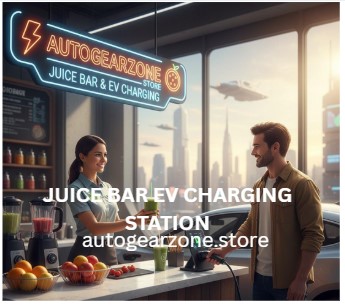
Picture this: you pull up to your favorite local juice bar for a quick smoothie, plug in your electric car, and by the time you have finished your acai bowl, your battery is topped up and ready to go. This is not some far-off future scenario. It is happening right now at locations across the country, and it is changing how we think about both healthy eating and sustainable transportation. The concept of combining juice bars with electric vehicle charging stations makes perfect sense when you think about it. Both cater to people who care about their health and the environment. Both represent a shift toward more conscious lifestyle choices. Moreover, both need convenient locations where people naturally spend time.
Key Takeaways:
- Juice bar EV charging combines health-focused businesses with sustainable transportation.
- These hybrid locations offer practical charging times that match typical customer visits.
- Public charging infrastructure benefits from partnerships with existing retail businesses.
- The model creates new revenue streams while supporting environmental goals.
- Location convenience drives adoption of both electric vehicles and healthy food choices.
Quick Tip:
Check your local utility’s website before planning a charging installation. Many offer free site assessments and can identify potential electrical issues early, saving thousands in unexpected upgrade costs.
Why Juice Bars and EV Charging Make Perfect Partners
The connection between health-conscious consumers and environmentally aware drivers is not accidental. Research shows significant overlap between people who prioritize organic food and those who choose electric vehicles. When a juice bar adds charging stations, they are not just installing equipment. They are making a statement about their values and creating a destination that serves multiple needs at once.
This partnership works because the timing lines up naturally. Most people spend 15 to 45 minutes at a juice bar, whether they are grabbing a quick drink, enjoying a meal, or meeting friends. That is exactly the sweet spot for DC fast charging, which can add 100 to 200 miles of range in about 30 minutes. The business benefits too, since EV drivers become captive customers with time to spend and money to spare.
The Growing Network of Public Charging Stations for Electric Cars
Finding convenient charging has been one of the biggest concerns for potential EV buyers. While home charging works great for daily use, people need reliable options when they are out running errands or traveling. That is where public charging stations for electric cars come into play, and juice bars are becoming unexpected but valuable players in this network.
The numbers tell an interesting story. According to recent data, there are now over 150,000 public charging points across the United States, and that number grows every month. Small businesses like juice bars are contributing to this expansion in ways that big gas stations haven’t always managed. They are filling in the gaps in underserved neighborhoods and creating charging options in areas where people actually spend their time, not just, where they buy fuel.
What Makes a Juice Bar Electric Vehicle Charging Station Different
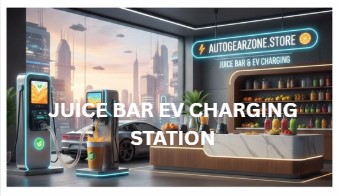
Traditional gas stations have a specific business model: get cars in and out as quickly as possible. The juice bar electric vehicle charging station flips this completely. Here, the goal is to create a welcoming environment where people want to linger. The charging station is not just a utility, its part of a broader experience that includes healthy food, community space, and often Wi-Fi and comfortable seating.
These locations typically offer Level 2 chargers (which take a few hours for a full charge) or DC fast chargers (which work much quicker). Many juice bar owners choose a mix of both, giving customers flexibility based on their needs and schedule. Some people want a quick top-up while grabbing a smoothie to go. Others plan to sit down for lunch and catch up on work while their car charges completely.
The Real-World Economics Behind the Partnership
Let us talk numbers for a moment, because understanding the financial side helps explain why this trend is spreading. Installing a single DC fast charger can cost anywhere from $50,000 to $150,000, while Level 2 chargers run between $3,000 and $8,000 each. That is a significant investment for a small business, but federal and state incentives can cover 30% to 80% of the cost.
The payback comes from multiple sources. Charging fees generate direct revenue, typically around $11 per session for a partial charge at a Level 2 station, though prices vary widely by location and charging speed. More importantly, the charging stations bring in new customers who might never have stopped otherwise. Industry data suggests EV drivers spend about 30% more per visit than typical customers, simply because they have more time to browse and aren’t in a rush.
Location Strategy: Where These Stations Work Best
Not every juice bar is suited for EV charging, and smart business owners think carefully about location before investing. The most successful installations tend to be in areas with higher EV adoption rates, good visibility from main roads, and limited competing charging options nearby. Urban and suburban locations near shopping districts, fitness centers, and business parks perform particularly well.
Parking lot layout matters more than you might expect. Charging stations need dedicated spaces that are easy to access and do not interfere with regular customer parking. The electrical infrastructure has to support the additional load, which sometimes requires utility company upgrades. Forward-thinking juice bar owners work with electrical contractors and local utilities early in the planning process to avoid costly surprises.
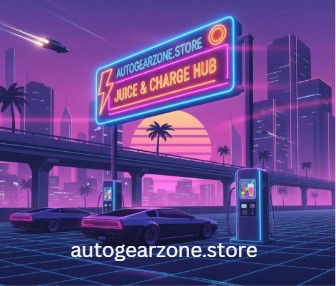
The Customer Experience: More Than Just Plugging In
Walk into a juice bar with EV charging and you will notice differences right away. Many have apps that let you check charger availability before you arrive, reserve a spot, and pay without fumbling with credit cards. Some offer loyalty programs that combine charging credits with food discounts. The best ones create a seamless experience where the charging feels like a bonus rather than the main attraction.
Signage and accessibility play crucial roles too. Clear directions help first-time EV drivers find the chargers and understand how to use them. Some juice bars train their staff to answer basic charging questions, creating a welcoming environment for people new to electric vehicles. This customer service approach builds loyalty and encourages repeat visits in ways that standalone charging stations simply cannot match.
Environmental Impact Beyond Zero Emissions
The environmental benefits extend beyond just the electric vehicles themselves. Many juice bars already focus on sustainability through local sourcing, composting, and minimal packaging. Adding EV charging reinforces this commitment and creates a comprehensive eco-friendly destination. Some take it further by installing solar panels to generate clean electricity for both the building and the chargers.
This visible commitment to sustainability resonates with customers and community members. It is one thing to talk about environmental responsibility, and another to demonstrate it through concrete actions. The combination of healthy food, renewable energy, and zero-emission transportation creates a powerful statement about what is possible when businesses align their values with their operations.
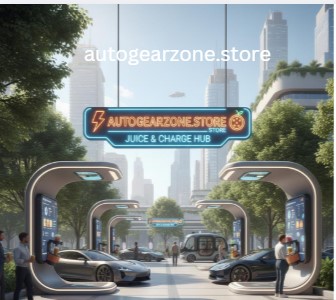
Technical Considerations for Business Owners
Getting the technical details, right makes the difference between a successful installation and an expensive headache. The electrical service needs assessment comes first, determining whether the existing panel can handle the additional load or needs upgrading. Most DC fast chargers require 480-volt three-phase power, which is not available in all buildings without utility company involvement.
Network connectivity is another important factor. Modern charging stations connect to the internet to handle payments, provide usage data, and enable remote monitoring. Business owners need reliable Wi-Fi or cellular connectivity to keep the chargers operational and accessible through popular charging apps. Working with experienced installers who understand both the electrical and software sides prevents common problems down the road.
Building Community Around Charging
Something unexpected happens when juice bars add EV charging: they become community hubs for local electric vehicle owners. People start recognizing each other at the chargers, sharing tips about their vehicles, and recommending other charging-friendly businesses. Some juice bars lean into this by hosting EV owner meetups or partnering with local electric vehicle clubs.
This community aspect creates intangible value that is hard to measure but easy to see. Customers become advocates, recommending the location to friends and posting about it on social media. The juice bar transforms from just another business into a destination with purpose and meaning. That is the kind of loyalty that keeps customers coming back even when other options appear.
Navigating Permits and Regulations
The permitting process varies significantly by location, but generally involves building permits, electrical inspections, and sometimes special zoning approvals. Some municipalities have streamlined the process for EV charging installations, recognizing the public benefit. Others still treat them like major construction projects with extensive review periods.
Understanding local regulations before starting saves time and money. Requirements might include Americans with Disabilities Act (ADA) compliance for accessible parking spaces, specific signage standards, and setback rules for the charging equipment. Many states offer online resources or designated staff to help businesses navigate the permitting process for EV infrastructure.
The Role of Incentives and Grants
Financial incentives can dramatically improve the economics of installing charging stations. Federal tax credits cover 30% of the hardware and installation costs for commercial chargers, up to $100,000 per location. Many states and utilities offer additional rebates or grants that can stack with federal incentives.
The key is applying for these programs before starting the installation, as most don’t work retroactively. Some utilities also offer reduced electricity rates for EV charging or special time-of-use rates that make overnight charging cheaper. Business owners should research available incentives thoroughly and factor them into their financial planning from the start.
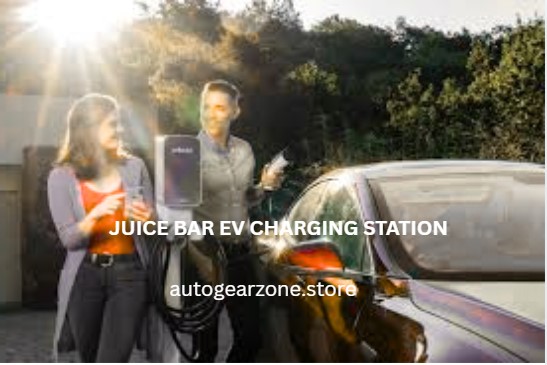
Marketing Your Charging-Enabled Juice Bar
Having charging stations does not help much if nobody knows about them. Smart marketing starts with listing the location on major charging networks like Plug Share, Charge Point, and Google Maps. These platforms help EV drivers discover new charging locations and plan their routes accordingly.
Local marketing matters just as much. Social media posts about the charging stations reach health-conscious followers who might be considering electric vehicles. Partnerships with local environmental groups, EV dealerships, and sustainability organizations spread the word to relevant audiences. Some juice bars offer special promotions for EV drivers, creating incentives for first-time visits.
Looking Ahead: The Future of Combined Services
The juice bar electric vehicle charging station model points toward a broader trend of combining services in ways that make sense for modern lifestyles. As EV adoption continues growing, we will likely see more unexpected businesses adding chargers: bookstores, yoga studios, farmers markets, and other places where people naturally spend time.
Technology improvements will make this easier and more affordable. Charging speeds keep increasing, installation costs keep dropping, and software gets smarter at managing demand and pricing. The businesses that get in now are positioning themselves as forward-thinking leaders in their communities, building loyalty that will pay dividends for years to come.
Expert Tip
Start with one or two Level 2 chargers rather than jumping straight to expensive fast chargers. This lets you test demand, build a customer base, and learn the business before making bigger investments. You can always add faster chargers later once you understand your specific market.
Frequently Asked Questions
How long does it take to charge an electric vehicle at a juice bar station?
Charging time depends on the charger type and your vehicle. Level 2 chargers typically add 15 to 30 miles of range per hour, perfect for a lunch visit. DC fast chargers can add 100 to 200 miles in 30 to 45 minutes, ideal for a quick stop.
Do I need to buy anything from the juice bar to use their charging station?
Policies vary by location. Some juice bars include charging as a free amenity for customers, while others charge standard rates regardless of purchase. Many offer discounts on charging for customers who buy food or drinks.
Are juice bar charging stations more expensive than other public options?
Pricing is competitive with other commercial chargers in most cases. Rates typically range from $0.20 to $0.60 per kilowatt-hour, or around $11 for a typical partial charge session. Some locations charge by the hour instead of by energy used.
Can any electric vehicle use charging stations at juice bars?
Most stations use standard J1772 connectors for Level 2 charging, which work with all electric vehicles sold in North America. DC fast chargers might use CCS or CHAdeMO connectors, and not all vehicles are compatible with both standards.
What happens if the charging station is not working?
Report issues through the charging network’s app or contact the juice bar directly. Most stations display support phone numbers on the equipment. Many networks offer real-time status updates in their apps to help you find working alternatives nearby.
Charging Station Comparison
| Feature | Level 2 Charger | DC Fast Charger |
| Installation Cost | $3,000 – $8,000 | $50,000 – $150,000 |
| Charging Speed | 15-30 miles/hour | 100-200 miles/30 min |
| Power Required | 240V single-phase | 480V three-phase |
| Best For | Long visits (1-3 hours) | Quick stops (30-45 min) |
| Typical Session Price | $5 – $15 | $15 – $30 |
Making It Work for Your Community
The success of juice bar electric vehicle charging stations shows how creative thinking can solve multiple problems at once. By combining healthy food with sustainable transportation infrastructure, these businesses create value for customers, communities, and the planet. They prove that environmental responsibility and good business sense are not opposites, they are natural partners.
Whether you are a business owner considering adding chargers or an EV driver looking for convenient charging options, this model offers real benefits worth exploring. The infrastructure for public charging stations for electric cars continues expanding, and small businesses are playing a surprisingly important role. They are building the network we need, one smoothie at a time, creating destinations where people want to spend time while their cars power up for the next journey.
The next time you are looking for a place to charge your electric vehicle, consider finding a local juice bar with charging stations. You might discover your new favorite spot, where good food and clean transportation come together in a way that just makes sense.