
Average Cost of Electric Car Battery Replacement 2026
What You’ll Really Pay for Electric Car Battery Replacement in 2026
Electric vehicles have changed how we think about transportation. However, one question keeps coming up when people consider making the switch: what happens when the battery needs replacing? The average cost of electric car battery replacement in 2026 has become a hot topic, and for good reason. Battery packs represent the most expensive component in any electric vehicle, and understanding what you might face down the road helps you make smarter decisions today. The good news? Prices have been dropping faster than most experts predicted just a few years ago.
Key Takeaways:
- Battery replacement costs have dropped significantly over the past five years.
- Current prices range between $5,000 and $15,000 depending on vehicle size and battery capacity.
- Technology improvements and manufacturing scale are driving prices down.
- Most batteries now come with 8-10 year warranties covering major failures.
- Future costs are expected to continue declining through 2030.
Expert Tip: If you are buying an electric vehicle and live in a rural area, research the nearest authorized service center and factor that distance into your ownership planning.
Understanding Electric Vehicle Battery Costs Today
The electric car battery cost replacement landscape looks dramatically different than it did even three years ago. Right now, you are looking at anywhere from $5,000 to $15,000 for a complete battery pack replacement, depending on your vehicle’s size and battery capacity. Smaller vehicles with 40-60 kWh batteries typically fall on the lower end, while larger vehicles with 80-100 kWh packs push toward the higher range. These numbers reflect a major shift in the industry.
What makes this especially interesting is how quickly things are changing. The lithium-ion battery price per kwh has plummeted from around $400 in 2020 to approximately $150 in 2025. This dramatic reduction comes from better manufacturing processes, increased production volume, and improvements in battery chemistry. When you multiply that per-kilowatt-hour cost by your battery’s total capacity, you get a clearer picture of what replacement might actually cost.
Breaking Down the Real Numbers
Let’s talk specifics because general ranges only tell part of the story. A mid-size electric vehicle with a 70 kWh battery pack at current prices would cost roughly $10,500 for just the battery cells themselves. Add in labor, battery management system components, cooling systems, and installation, and you’re typically adding another $2,000 to $4,000 to that base price. This brings most replacements into that $12,000 to $15,000 range for average-sized vehicles.
However, these costs aren’t uniform across all situations. Some manufacturers offer battery replacement programs with discounted pricing for existing customers. Others have developed modular battery systems where you can replace individual modules rather than the entire pack, potentially saving thousands. The market is evolving rapidly, and options that didn’t exist two years ago are becoming standard practice today.
How Battery Prices Have Fallen Over Time
The ev battery price drop has been one of the most remarkable stories in automotive technology. Back in 2010, battery packs cost upwards of $1,000 per kilowatt-hour. By 2015, that figure had fallen to around $400. Fast forward to today, and we are seeing prices hover around $150 per kWh, with some manufacturers achieving even lower costs through vertical integration and advanced manufacturing techniques.
Industry analysts who track the ev battery price graph have noticed an accelerating trend. The decline is not just steady; it is actually speeding up as more companies enter the market and competition intensifies. What took five years to achieve in cost reduction between 2010 and 2015 happened in just three years between 2021 and 2024. This acceleration suggests we might see even more dramatic improvements over the next few years.
What’s Driving These Price Reductions
Several factors are pushing battery costs down simultaneously. First, raw material processing has become more efficient. Companies have figured out how to extract and refine lithium, cobalt, and nickel more cost-effectively. Second, battery cell manufacturing has achieved enormous economies of scale. Factories that once produced thousands of cells now produce millions, spreading fixed costs across far more units.
Third, battery chemistry keeps improving. New formulations use less expensive materials while delivering similar or better performance. Lithium iron phosphate batteries, for example, eliminate the need for cobalt entirely while offering excellent longevity and safety. These chemistry improvements do not just reduce costs; they often improve the overall product at the same time.
Goldman Sachs Battery Price Forecast and Industry Predictions
When you look at the goldman sachs battery price forecast and similar analyses from major financial institutions, the outlook becomes even more encouraging. Most major investment banks predict battery prices will drop below $100 per kilowatt-hour by 2028, with some estimates suggesting prices could reach $80 per kWh by 2030. These projections are based on current technological trajectories and anticipated manufacturing improvements.
What makes these forecasts particularly reliable is that they’ve been consistently conservative. Actual price reductions have outpaced predictions for the past several years. When Goldman Sachs and other analysts project future costs, they’re building in assumptions about potential setbacks and market disruptions. The fact that reality keeps beating these conservative estimates suggests the actual trajectory might be even better than forecasted.
Industry Expert Perspectives
Battery manufacturers themselves are making bold commitments about future pricing. Several major producers have publicly stated goals of reaching $100 per kWh before 2027. Some Chinese manufacturers claim they’ve already achieved prices below $100 for certain battery types. While these ultra-low prices might not immediately translate to consumer replacement costs due to distribution markup and installation expenses, they signal where the market is heading.
The battery price per kwh forecast from multiple sources shows remarkable consistency. Whether you are reading reports from BloombergNEF, Wood Mackenzie, or consulting firms specializing in automotive technology, the projections cluster around similar numbers. This consensus among independent analysts adds credibility to the general direction, even if specific timelines vary slightly.
What Affects Your Replacement Cost
Battery capacity is the single biggest factor in determining replacement cost. A vehicle with a 40 kWh battery pack will always cost significantly less to replace than one with a 100 kWh pack, assuming similar pricing per kilowatt-hour. This simple math means smaller, more affordable electric vehicles tend to have more manageable replacement costs even as larger vehicles pack in more range and performance.
Vehicle age also plays a crucial role, though not always in the way you might expect. Older vehicles might face higher replacement costs because compatible batteries use older technology that’s no longer mass-produced. However, older batteries are also more likely to be covered under warranty, which can eliminate out-of-pocket costs entirely for many owners. The warranty coverage landscape has improved dramatically over the past few years.
Warranty Coverage Matters
Most electric vehicles sold today come with battery warranties covering 8 years or 100,000 miles at minimum. Many manufacturers extend this to 10 years or even longer for certain models. These warranties typically guarantee that the battery will maintain at least 70% of its original capacity throughout the warranty period. If it drops below that threshold, the manufacturer replaces it at no cost to you.
This warranty protection means the average cost of electric car battery replacement in 2026 might actually be zero for many owners who experience problems within the warranty window. Even vehicles purchased in 2018 or 2019 likely still have several years of coverage remaining. Only vehicles approaching or exceeding their warranty period face potential out-of-pocket costs, and by then, replacement prices should be even lower than today.
Quick Tip: Before panicking about potential replacement costs, check your vehicle’s warranty documentation. Many owners worry unnecessarily about expenses that would actually be covered.
Battery Technology Improvements Changing the Game
Modern batteries last significantly longer than early electric vehicle batteries. First-generation electric vehicles from the early 2010s often showed noticeable capacity degradation after 5-6 years. Today’s batteries are engineered to maintain 80-90% capacity after 10 years of normal use. This improved longevity means many current electric vehicle owners will never need a replacement during their ownership period.
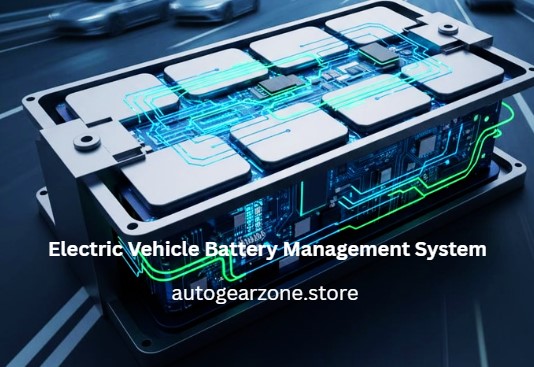
Battery management systems have become incredibly sophisticated. These systems carefully control charging rates, temperature, and discharge patterns to minimize stress on individual cells. By preventing the battery from ever reaching true 100% charge or dropping to actual 0%, these systems dramatically extend overall battery life. The software running these systems continues improving through over-the-air updates even after you buy the vehicle.
What This Means for Replacement Timing
The improving technology creates an interesting situation. By the time your battery actually needs replacement, the available technology will be far superior to what you originally purchased. A battery replacement in 2026 for a vehicle purchased in 2019 will use 2026 battery technology, which offers better energy density, faster charging, and longer lifespan than the original 2019 battery.
This technological leap means replacement is not just about restoring original functionality. Potentially an upgrade could give your vehicle better range and performance than when it was new. Some early electric vehicle owners have reported range improvements of 15-20% after battery replacement, simply because the new battery technology is that much better than what was available when their vehicle was built.
Comparing Costs to Traditional Vehicle Maintenance
Here’s something worth considering: while battery replacement sounds expensive, traditional gasoline vehicles have their own costly maintenance requirements over time. Engine rebuilds, transmission replacements, and exhaust system overhauls can easily cost $4,000 to $8,000 each. Spread over the lifetime of a vehicle, traditional cars often require multiple major repairs totaling $15,000 to $20,000 or more.
Electric vehicles eliminate most of these traditional maintenance needs. No oil changes, no transmission fluid, no spark plugs, no timing belts, no catalytic converters. The brake systems last longer because regenerative braking reduces wear on physical brake pads. When your account for all the maintenance electric vehicle owners avoid, the potential cost of battery replacement doesn’t look quite as daunting in the bigger picture.
Long-Term Ownership Costs
Studies comparing total ownership costs between electric and gasoline vehicles consistently show electric vehicles costing less over 10-year ownership periods. Even when factoring in potential battery replacement, the savings from eliminated maintenance and lower fuel costs typically outweigh the battery expense. The electric car battery cost replacement becomes just one line item in a much larger financial picture that favors electric vehicles.
This is especially true when you consider that many electric vehicle owners charge at home using off-peak electricity rates. The fuel cost savings alone can amount to $1,000 to $1,500 per year compared to gasoline. Over eight years, that is $8,000 to $12,000 in savings, which essentially covers most potential battery replacement costs while still coming out ahead financially.
Regional Variations in Replacement Costs
Battery replacement costs vary significantly depending on where you live. In the United States, prices tend to run higher than in Europe or Asia due to various factors including labor costs, shipping expenses, and market size. A replacement that costs $12,000 in California might cost $10,000 in China or $11,000 in Germany for an equivalent vehicle.
These regional differences are gradually narrowing as battery manufacturing becomes more globally distributed. New factories opening across North America and Europe are reducing transportation costs and creating more localized supply chains. Within the next few years, regional price differences should become less pronounced as production capacity spreads more evenly worldwide.
Service Infrastructure Considerations
Where you live also affects your access to qualified service providers. Major metropolitan areas typically have multiple service centers capable of performing battery replacements, creating competition that can help control prices. Rural areas might have limited options, potentially adding travel costs or requiring shipping expenses if the work needs to be done at distant facilities.
Some manufacturers are developing mobile service programs that bring battery replacement capabilities directly to customers. These programs could eliminate some of the geographic disadvantages that rural electric vehicle owners currently face. As the electric vehicle fleet grows, service infrastructure will naturally expand to meet demand in currently underserved areas.
DIY Replacement and Third-Party Options
The aftermarket for electric vehicle batteries is starting to emerge, though it remains relatively limited compared to traditional automotive parts. Some companies specialize in refurbishing battery packs, replacing worn cells with new ones while keeping the original battery housing and management systems. These refurbished packs typically cost 30-50% less than new batteries while offering warranties of 2-3 years.
Third-party battery replacement represents a developing market that could significantly influence future costs. As more vehicles that are electric age out of warranty, independent shops are developing expertise in battery service and replacement. This competition should help moderate prices charged by vehicle manufacturers for battery service, giving consumers more choices and potentially better prices.
Is DIY Battery Replacement Possible?
For mechanically skilled owners, DIY battery replacement is technically possible but comes with significant challenges. Battery packs are heavy, require specialized tools for safe handling, and involve high-voltage systems that can be dangerous without proper training. Most vehicle manufacturers also implement software locks that prevent the vehicle from operating with unauthorized battery packs, though this is becoming a legal gray area in some jurisdictions.
The right-to-repair movement is pushing for laws that would require manufacturers to provide access to diagnostic software and repair information for independent shops and DIY enthusiasts. If these regulations pass, they could open up more affordable replacement options by allowing competition in battery service. Several states have already passed or are considering such legislation.
What to Expect Through 2030
Looking beyond 2026, the trajectory for battery costs appears extremely positive. Most industry forecasts show continued price declines through at least 2030, with some analysts predicting prices could drop as low as $60-$70 per kilowatt-hour by the early 2030s. At those prices, battery replacement would cost less than many major repairs on traditional vehicles.
Solid-state batteries represent the next major technological leap. These batteries promise higher energy density, faster charging, and longer lifespans than current lithium-ion technology. While mass production is still several years away, major manufacturers are investing billions in solid-state battery development. When these batteries reach the market, they could make current battery replacement concerns feel quaint by comparison.
Market Forces Driving Continued Improvement
The competitive pressure in the electric vehicle market keeps pushing innovation and cost reduction. Every manufacturer knows that whoever can offer the best combination of range, price, and reliability will capture market share. This competition benefits consumers through continuous improvement and falling costs. Even if you never personally need a battery replacement, you benefit from the downward price pressure these competitive forces create.
Government policies are also accelerating the transition to electric vehicles. Many countries have announced deadlines for phasing out new gasoline vehicle sales, creating guaranteed future demand for electric vehicles and their components. This policy certainty encourages manufacturers to invest in production capacity, driving the scale economies that further reduce costs.
Making Smart Decisions About Battery Concerns
If you are considering an electric vehicle purchase, battery replacement costs shouldn’t be a primary deterrent. With strong warranties, improving technology, and falling prices, the risk of facing catastrophic battery expenses during normal ownership is relatively low. Most owners will never face out-of-pocket battery replacement costs, and those who do will pay far less than current prices thanks to continuing cost declines.
For current electric vehicle owners worried about future replacement costs, the smart approach is to maintain your battery properly and trust the warranty system. Avoid frequent fast charging when possible, keep the battery charge level between 20% and 80% for daily use, and park in moderate temperatures when feasible. These simple practices can extend battery life significantly, potentially eliminating the need for replacement.
Frequently Asked Questions
How long do electric car batteries typically last?
Modern electric vehicle batteries are designed to last 10-15 years or more under normal driving conditions. Most manufacturers guarantee their batteries for 8-10 years, guaranteeing at least 70% capacity retention during that period. Real-world data from early electric vehicles shows many batteries retaining 80-85% capacity after a decade of use, suggesting most owners won’t need replacement during their ownership period.
Can I replace just part of my battery pack instead of the whole thing?
Some vehicles now feature modular battery designs that allow replacement of individual sections rather than the entire pack. This can significantly reduce costs if only certain modules have failed or degraded. However, not all electric vehicles offer this capability. Check with your manufacturer or authorized service center about whether partial replacement is available for your specific model.
Will battery replacement void my vehicle warranty?
Using an authorized service center and genuine manufacturer parts will not void your warranty. However, using third-party batteries or unauthorized service providers might void certain warranty coverage, depending on your manufacturer’s policies and local consumer protection laws. Always check your warranty terms before proceeding with any battery service.
Are refurbished batteries a good alternative to new ones?
Refurbished batteries can offer good value if they come from reputable companies offering solid warranties. These batteries typically cost 30-50% less than new ones while providing 2-3 years of warranty coverage. They’re often a smart choice for older vehicles where the cost of a new battery might exceed the vehicle’s remaining value.
How much does battery degradation affect driving range?
Most electric vehicles lose about 2-3% of range per year during the first few years, with degradation slowing over time. After 5 years, you might experience a 10-15% range reduction compared to when the vehicle was new. This gradual decline is usually barely noticeable in daily driving, as most people rarely use their vehicle’s full range on typical trips.
Understanding Current Market Dynamics
| Battery Size | Current Cost per kWh | Estimated Total Replacement Cost | Expected 2028 Cost |
| 40 kWh | $150 | $6,000 – $8,000 | $4,000 – $6,000 |
| 60 kWh | $150 | $9,000 – $12,000 | $6,000 – $9,000 |
| 80 kWh | $150 | $12,000 – $16,000 | $8,000 – $12,000 |
| 100 kWh | $150 | $15,000 – $20,000 | $10,000 – $15,000 |
The financial picture for electric vehicle ownership continues improving as battery technology advances and production scales up. While the average cost of electric car battery replacement in 2026 might seem substantial at first glance, the reality is more nuanced and generally more positive than headlines suggest. Most owners will never face these costs thanks to warranty coverage, and those who do will benefit from prices that continue dropping year after year.
Planning for the Road Ahead
The conversation around battery replacement costs often generates more anxiety than necessary. Yes, batteries are expensive components. Nevertheless, they are also extremely durable, heavily warranted, and getting cheaper every year. The combination of improving technology, falling costs, and strong warranty protection means battery concerns should not prevent anyone from considering electric vehicle ownership.
When you step back and look at the complete picture, electric vehicles represent increasingly smart financial decisions. The potential for battery replacement is just one factor among many, and it is a factor that is becoming less significant with each passing year. As manufacturing continues scaling up and technology keeps advancing, the already-positive trajectory will only improve. For anyone thinking about making the switch to electric, the timing has never been better, and it is only getting better from here.