
Which Cars With Electronic Parking Brake : A Modern Driver’s Guide to Safety and Convenience
Cars With Electronic Parking Brake : A Modern Driver’s Guide to Safety and Convenience
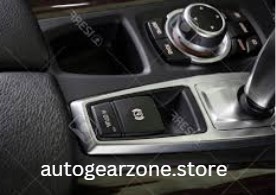
The automotive world has shifted dramatically over the past decade, and one of the most noticeable changes sits right between your front seats. Electronic parking brakes have replaced the traditional handbrake lever in countless vehicles, transforming how we park and secure our cars. If you’ve recently purchased or test-driven a newer model, you’ve likely encountered a small button or switch where a lever once stood.
This technology represents more than just a space-saving feature, it’s a fundamental reimagining of vehicle safety systems. Understanding how cars with electronic parking brake systems work can help you make smarter purchasing decisions and use your vehicle more effectively. Whether you’re curious about reliability or maintenance costs, this guide covers everything you need to know.
what cars have electronic parking brake
What Cars Have Electronic Parking Brake? A Quick Guide for Modern Drivers,
If you are wondering, which cars have electronic parking brakes, the answer is many modern cars designed for comfort, safety, and smart driving. Nowadays, many Sedans, SUVs, and Electric Cars come with this feature as standard.
The Popular models from brands like Toyota, Honda, BMW, Mercedes-Benz, Audi, Tesla, Hyundai, and Kia now use electronic parking brakes instead of the traditional rear brake. You will typically find them in vehicles like compact SUVs, premium Sedans, Hybrids, and Fully Electric Cars. This System uses a small switch and electronic motor to apply braking force, which improves cabin space and reduces driver effort. As more cars adopt advanced driver-assistance technologies, electronic parking brakes are becoming the norm rather than the exception
Key Takeaways
- Electronic parking brakes use motors instead of cables to engage the rear brakes automatically
- They free up cabin space and offer features like auto-hold and hill-start assist
- Most modern vehicles from economy to luxury segments now include this technology
- Maintenance costs typically range from $95 to several hundred dollars depending on the issue
- They’re generally reliable but require specific diagnostic tools for repairs.
Free PDF Download:
cars_electronic_parking_brakeWhat Is an Electronic Parking Brake and How Does It Work?
An electronic parking brake (EPB) replaces the traditional mechanical handbrake with an electrically operated system. Instead of pulling a lever that tugs on cables connected to your rear brakes, you simply press or pull a button. Small electric motors then clamp the brake pads against the rear rotors, securing your vehicle in place. The system communicates with your car’s computer, which monitors various sensors to determine when and how firmly to apply the brakes.
The technology behind cars with electronic parking brake systems involves several components working together. The brake control unit receives your input from the dashboard switch and sends signals to actuator motors mounted on each rear brake caliper. These motors convert electrical energy into mechanical force, pressing the brake pads with precisely calibrated pressure. The entire process happens in less than two seconds with audible or visual feedback confirming engagement.
Benefits of Electronic Parking Brakes in Modern Vehicles
Space efficiency stands out as one of the most immediate advantages. Removing the bulky handbrake lever opens up the center console for additional storage or more refined interior design. This benefit matters especially in smaller vehicles where every inch of cabin space counts. Designers can create cleaner, more streamlined interiors that feel more spacious and modern.
Cars with electronic parking brake systems also offer functional improvements that go beyond aesthetics. The auto-hold feature keeps the brakes engaged when you’re stopped in traffic without requiring constant foot pressure. This reduces driver fatigue during long commutes or in stop-and-go conditions. The system automatically releases when you press the accelerator, creating a smoother driving experience. Many systems integrate with hill-start assist technology, preventing your car from rolling backward when starting on an incline.
Popular Car Models Featuring Electronic Parking Brakes
The list of cars with electronic parking brake systems grows longer each year as automakers standardize this feature. Toyota includes electronic parking brakes across its lineup from the Corolla to the RAV4 and Camry. Honda similarly equipped models like the Accord, CR-V, and Civic with this technology. These mainstream vehicles make electronic parking brakes accessible to everyday drivers rather than limiting them to premium segments.
Luxury brands like Mercedes-Benz, BMW, Audi, and Lexus have featured electronic parking brakes for over a decade. Even budget-friendly brands like Kia, Hyundai, and Mazda now include them in many models. Electric vehicles have embraced electronic parking brakes almost universally. Tesla models, the Chevrolet Bolt, Nissan Leaf, and Ford Mustang Mach-E all use electronic systems, which complements their overall driving experience and regenerative braking systems.
How to Use an Electronic Parking Brake Properly
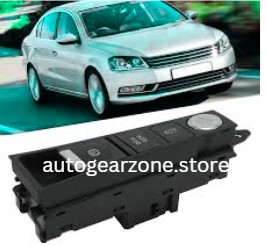
Operating cars with electronic parking brake systems is straightforward, but small variations exist between manufacturers. Most systems use a button or switch located near the gear selector. To engage the brake, you typically pull up on the button while the vehicle is stopped. An indicator light on the dashboard confirms activation, and many vehicles produce a mechanical sound as the motors engage.
Releasing the brake usually happens automatically when you press the accelerator with your seatbelt fastened. Some vehicles require you to press the brake pedal first, then push down on the electronic parking brake button. Always consult your owner’s manual for the specific procedure. Most cars with electronic parking brake systems include a manual release procedure for emergencies or when the battery dies, typically involving removing a cover near the rear brakes and using a special tool to manually retract the mechanism.
Common Issues and Troubleshooting Electronic Parking Brakes
Electronic parking brakes generally prove reliable, but like any mechanical system, they can experience problems. The most common issue involves the brake failing to release or engage. This often stems from a faulty switch, a problem with the control module, or issues with the actuator motors themselves. Cold weather can sometimes cause temporary problems if ice affects the mechanism, so many manufacturers recommend caution using electronic parking brakes in freezing conditions.
Warning lights on your dashboard provide the first indication of trouble with cars with electronic parking brake systems. A red brake warning light that stays illuminated might indicate the parking brake is engaged when it shouldn’t be, or that a fault exists in the system. Some vehicles display specific error messages on the information screen, helping you identify the problem more quickly. Addressing these warnings promptly prevents minor issues from becoming expensive repairs.
Maintenance and Repair Considerations
Maintaining an electronic parking brake differs from traditional systems. Regular brake service should include inspection of the electronic components, actuator motors, and electrical connections. Most manufacturers recommend having the system checked during routine brake pad replacements. The brake pads themselves wear similarly to conventional systems, but the replacement process requires special tools to retract the electronic actuators.
Repair costs for electronic parking brake systems vary considerably. Simple fixes like replacing a faulty switch might cost around $95 for the part plus labor, while replacing actuator motors could run several hundred dollars per wheel. The system requires diagnostic equipment to properly troubleshoot, so repairs typically happen at dealerships or specialized shops. Extended warranties often cover these components, which can provide peace of mind given the potential repair costs.
Comparing Electronic vs. Traditional Parking Brakes
| Feature | Electronic Parking Brake | Traditional Handbrake |
|---|---|---|
| Operation | Button or switch | Manual lever |
| Space Required | Minimal | Significant console space |
| Braking Force | Consistent and optimal | Varies by user |
| Maintenance | Requires diagnostic tools | Simpler cable adjustment |
| Additional Features | Auto-hold, hill assist | None |
| Repair Cost | Generally higher | Usually lower |
| Reliability | Very good with electronics | Very good mechanically |
| Cold Weather Performance | May have minor issues | Generally trouble-free |
The debate between electronic and traditional systems often comes down to personal preference and priorities. Drivers who value simplicity and lower maintenance costs might prefer conventional handbrakes. Those who appreciate modern convenience features and don’t mind potential higher repair costs tend to favor electronic systems. Neither option is objectively superior—they each offer distinct advantages.
Cars with electronic parking brake systems excel in user-friendliness and feature integration. The automatic release and auto-hold functions reduce driver workload and make everyday driving more comfortable. However, traditional handbrakes offer tactile feedback and work independently of the vehicle’s electrical system, which some drivers find reassuring.
The Future of Parking Brake Technology
Automotive technology continues evolving rapidly, and parking brakes are no exception. Future cars with electronic parking brake systems may integrate even more closely with autonomous driving features. Vehicles could automatically engage the parking brake when parked by self-driving systems, or release it when the car determines it’s safe to move. This seamless integration will make the parking brake nearly invisible to the driver.
Electric vehicles will likely drive the next generation of parking brake innovation. Since EVs already use electric motors for propulsion, integrating the parking brake with other vehicle systems becomes easier. Some engineers envision parking brakes that communicate with charging systems, ensuring the vehicle is properly secured before high-voltage charging begins. Advanced safety systems may also leverage electronic parking brakes as part of collision avoidance systems, providing an additional braking method if the primary system fails.
Cost Considerations for Electronic Parking Brake Equipped Vehicles
When shopping for cars with electronic parking brake systems, the feature itself rarely adds significant cost since it’s now standard on most new vehicles. However, potential repair costs deserve consideration. Budgeting for possible electronic component repairs makes sense if you plan to keep your vehicle beyond the warranty period. Extended warranties specifically covering electronic systems might be worthwhile for some buyers.
Used car shoppers should carefully inspect electronic parking brake functionality before purchasing. Test the brake multiple times, verify the warning lights function correctly, and listen for unusual noises during operation. A pre-purchase inspection by a qualified mechanic can identify potential problems that might not be apparent during a test drive. Electronic parking brakes generally don’t significantly affect insurance rates, but the presence of modern safety systems might qualify you for small discounts with some insurers.
Quick Tips for Electronic Parking Brake Owners
Always engage the parking brake before shifting to park – This reduces wear on your transmission’s parking pawl and is good practice regardless of whether your surface is level.
Test your electronic parking brake regularly – Monthly tests ensure the system works when you need it and can help you catch problems early before they become serious.
Keep the brake button area clean – Spilled drinks or debris can interfere with the switch mechanism, so wipe down the area regularly during interior cleaning.
Expert Tips for Maintaining Your Electronic Parking Brake
Schedule brake system flushes as recommended – Clean brake fluid helps all components, including electronic parking brake actuators, function properly and last longer. Most manufacturers recommend flushing every two to three years.
Address warning lights immediately – Electronic parking brake problems rarely fix themselves and often worsen if ignored. Early intervention usually means simpler and less expensive repairs.
Use the parking brake even on flat ground – Regular use keeps the mechanism moving and prevents seizing, especially important if you typically park in level areas.
Frequently Asked Questions About Electronic Parking Brakes
Can I still use the parking brake in an emergency? Yes, most electronic parking brakes can function as emergency brakes. Pulling and holding the button while driving activates the regular braking system in a controlled manner, safely slowing your vehicle. The system prevents wheel lockup and maintains vehicle stability during emergency brake activation.
What happens if my car battery dies with the parking brake engaged? Most vehicles include a manual release mechanism for this situation. You’ll need to access the rear brake calipers through a small panel or opening and manually retract the brake using a special tool or wrench. Your owner’s manual contains specific instructions for your vehicle model.
Do electronic parking brakes require special maintenance? Basic maintenance matches traditional brakes, but repairs require diagnostic equipment and sometimes specialized tools. Regular brake inspections should include checking electronic components and connections. Professional service is typically necessary for repairs, unlike traditional handbrake cables that some DIY mechanics could adjust.
Are electronic parking brakes as reliable as manual ones? Modern electronic parking brakes demonstrate excellent reliability, with failure rates comparable to or better than traditional systems. The electronic components are designed to last the vehicle’s lifetime under normal use. When problems occur, they’re usually with the actuator motors or switches rather than the core system design.
Do all new cars come with electronic parking brakes now? Not all, but the majority of new vehicles include electronic parking brakes as standard equipment. Some entry-level models and certain truck configurations still use traditional handbrakes, particularly in basic work trucks. However, the trend clearly moves toward electronic systems across all vehicle segments.
Electronic parking brakes represent a significant advancement in automotive convenience and safety technology. While they differ from traditional systems in operation and maintenance requirements, cars with electronic parking brake systems offer tangible benefits that most drivers appreciate once they adjust to the change. The technology has matured to the point where reliability concerns are minimal, and the integration with other vehicle systems creates a more refined driving experience.
Understanding how these systems work, maintaining them properly, and knowing what to expect helps you get the most from this modern feature. As vehicles continue evolving toward greater electrification and automation, electronic parking brakes will only become more sophisticated and seamlessly integrated into the overall driving experience. Whether you’re buying your first vehicle with this technology or simply want to understand it better, knowing the ins and outs of electronic parking brakes makes you a more informed and confident driver.