

Are New Cars More Expensive To Insure
|
Getting your Trinity Audio player ready...
|
The ‘New Car Smell’ Tax: Why Your Brand-New Ride Costs More to Insure (And How to Fix It), Are New Cars More Expensive To Insure
The moment you slide into the driver’s seat of a brand-new vehicle, that intoxicating “new car smell” tells you you’ve arrived. It’s a feeling of pride, a promise of reliability, and a fresh start on the road. But right alongside the thrill of a lower odometer reading comes a more pragmatic and often confusing question: Are new cars more expensive to insure than their used counterparts?
When people ask, are newer cars cheaper to insure, the answer is more nuanced than a simple yes or no. While modern vehicles benefit from advanced safety technologies that can reduce accident severity and claim frequency, their higher purchase prices and costly replacement parts often offset those advantages. Insurers must balance the proven benefits of collision-avoidance systems against increased repair complexity, making it essential for buyers to seek accurate quotes rather than assume vehicle age alone determines affordability.
For most prospective buyers navigating the high-stakes decision between a shiny, technologically advanced new model and a budget-friendly used vehicle, this is a critical consideration. The cost of ownership extends far beyond the monthly payment, and insurance premiums can dramatically skew your budget, potentially eroding any perceived savings from an attractive financing deal. The short answer is yes, they generally are, but the reasons are complex and deeply rooted in the financial risk model used by every auto insurance provider.
Understanding this disparity isn’t just about accepting a higher bill; it’s about understanding the core value propositions that determine your rate. By unpacking the main drivers of insurance cost from replacement value and repair complexity to the type of coverage required—you can make an informed choice that balances the joy of new car ownership with the reality of long-term financial stability. Let’s dive into why new cars carry a higher insurance burden and, more importantly, how you can mitigate that cost.

Decoding the Higher Premium: Three Core Factors
Insurance companies operate on a simple principle: risk assessment. The higher the financial risk associated with a particular vehicle, the higher the premium. When a brand-new car enters the equation, it instantly presents a higher potential loss in the event of an accident or theft compared to an older model. This increased liability for the insurer is channeled directly into your policy rate.
1. Replacement Value and Depreciation: The Initial High Price Tag
The most significant and straightforward factor driving up the cost of new car insurance is its high initial replacement value. When you total a vehicle, the insurer must pay out the actual cash value (ACV) or the agreed-upon value. For a car that just drove off the dealership lot, the ACV is near its sticker price, which is significantly higher than that of a five-year-old equivalent.
While everyone knows new cars depreciate rapidly losing a substantial portion of their value the moment you drive them off the lot the insurer’s initial risk is still tied to that high purchase price. Even a 20% drop in value in the first year leaves a huge potential payout compared to a used car whose depreciation curve has flattened out. This makes the financial exposure for the insurer much larger in the early years of ownership, resulting in higher comprehensive and collision coverage costs.
2. The High Cost of Cutting-Edge Repairs and Parts
Modern vehicles, particularly new cars, are engineering marvels packed with advanced driver-assistance systems (ADAS) and sophisticated electronic components. Features like automatic emergency braking (AEB), lane-keeping assistance, and adaptive cruise control all rely on a network of sensors, cameras, and radar units seamlessly integrated into the bumper, windshield, and body panels.
When a fender-bender occurs, what used to be a simple bumper replacement can now turn into a complex, expensive repair. Replacing a front bumper might also require recalibrating the embedded radar sensor. A cracked windshield is no longer just glass; it may house the front-facing camera for the ADAS system, demanding costly replacement and highly specialized calibration. The labor is more technical, the parts are imported and scarce, and the overall cost to return the vehicle to its pre-accident state skyrockets. Insurers see these high repair costs and adjust the premium for a new car accordingly.
3. Coverage Requirements: Full Protection is Non-Negotiable
A major differentiator in the cost comparison is the type of coverage a new vehicle typically requires. If you finance or lease a new car, your lender or lessor will mandate that you carry full coverage meaning both collision and comprehensive to protect their financial interest in the asset.
For a used car, especially one that is fully paid off, a driver might elect to drop collision and comprehensive coverage, opting only for state-mandated liability insurance to save money. This option is rarely available to a new car owner with a loan. Furthermore, due to the high initial depreciation, many new car owners wisely purchase Gap Insurance (Guaranteed Asset Protection) to cover the “gap” between the car’s Actual Cash Value (ACV) and the remaining loan balance in case of a total loss. This necessary financial safety net adds another layer to the already high price of a new car insurance policy.
The New Car Paradox: Where Safety Saves, But Technology Costs, Are New Cars More Expensive To Insure
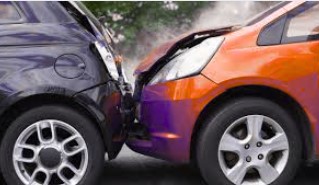
It might seem contradictory that a car loaded with safety features is more expensive to insure. After all, shouldn’t a vehicle that actively prevents accidents like one with Blind Spot Monitoring (BSM) or Cross-Traffic Alert be cheaper to cover? This brings us to the new car paradox.
The Two-Sided Coin of Advanced Safety Features
On one hand, sophisticated safety features are the reason modern cars are safer than ever, leading to fewer severe accidents and lower personal injury claims. Insurance companies often reward drivers with discounts for features like Anti-lock Braking Systems (ABS), electronic stability control (ESC), and factory-installed anti-theft devices. These discounts can be substantial, sometimes reducing the premium on the liability and personal injury portion of the policy.
However, the cost of repairing these very components often outweighs the savings from accident prevention. If that fancy radar unit in the bumper costs $1,500 just for the part, plus a few hours of specialized labor for calibration, the comprehensive/collision claim payout is still significantly higher than for a simple mechanical fix on an older model. The net effect is that while safety features reduce the frequency of claims, the technology that provides that safety increases the severity and cost of the claim when an accident does occur.
The Theft Factor: High-Demand New Models
New, desirable models can sometimes be targets for thieves, either for joyriding or, more commonly, for breaking down and selling valuable parts on the black market. An insurer will track the theft rate for every make and model. If your desirable new car falls into a high-theft category, your comprehensive coverage premium will reflect that increased risk. Conversely, new cars often have superior, factory-installed immobilizers and GPS trackers, which can sometimes earn a significant anti-theft discount.
Comparing the Premium Difference: New vs. Used Car Insurance
To truly grasp the financial difference, consider the typical market reality. While the exact figures fluctuate wildly based on driver profile, location, and the specific car model, data consistently shows a significant gap. On average, the cost to insure a new car (less than one year old) with full coverage is typically 15% to 30% higher than insuring a five-year-old equivalent model.
| Feature | New Car (2024 Model Year) | Used Car (2019 Model Year) | Impact on Insurance Cost |
|---|---|---|---|
| Average Replacement Value | $48,000 | $20,000 | Highest Factor |
| Required Coverage | Full Coverage | Often Liability Only | Higher Policy Cost |
| Repair Complexity | High | Low–Moderate | Higher Claims |
| Depreciation Curve | Steep | Flat | Gap Insurance Needed |
| Theft Risk | Model-Dependent | Lower | Varies |
The average annual premium for full coverage on a brand-new mid-range SUV is approximately $2,500, often $500–$700 more than the same model five years old.
Actionable Strategies to Lower Your New Car Insurance Premium
The purchase of a new car doesn’t have to lock you into a perpetually expensive insurance rate. Savvy buyers can employ several strategies to significantly mitigate the cost.
Final Verdict: Is The Extra Cost Worth It?
The answer is yes new cars are more expensive to insure, primarily due to higher replacement costs, mandatory full coverage, and complex repair technology. However, the higher insurance premium reflects the vehicle’s value, safety, and reliability.
When balanced against lower maintenance costs, better financing rates, and advanced safety features, the additional insurance cost is often a reasonable trade-off. Smart planning, comparison shopping, and discount optimization can significantly reduce the impact.
Frequently Asked Questions (FAQs) About New Car Insurance
Q1: Does the type of new car affect insurance costs?
Yes. Make, model, repair costs, and theft rates all influence premiums.
Q2: Is Gap Insurance necessary?
Highly recommended if financing or leasing.
Q3: Are EVs more expensive to insure?
Generally yes, due to battery replacement and specialized repairs.
Q4: Do anti-theft devices lower premiums?
Yes, especially factory-installed systems.
Q5: How often should I shop for insurance quotes?
Before buying, annually at renewal, and after major life changes.