


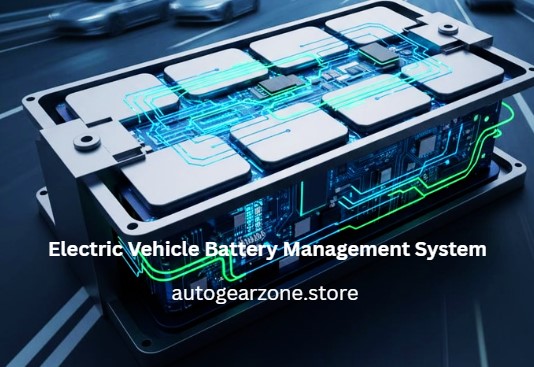
Best Battery Management Systems in Electric Vehicles | What You Need to Know
If you’ve ever wondered what keeps electric vehicle batteries running smoothly and safely, you’re not alone. The battery management system is the unsung hero working behind the scenes in every EV, ensuring your ride stays powered, protected, and efficient. Think of it as the brain that monitors everything from temperature to charge levels, making split-second decisions to keep your battery in optimal condition.
Whether you’re considering an EV purchase or just curious about how these vehicles work, understanding battery management systems gives you insight into what makes modern electric transportation possible. This guide breaks down everything from the basic components to the different types of systems keeping EVs on the road today.
Key Takeaways
- Battery management systems protect EV batteries from damage while optimizing performance and lifespan.
- Modern systems monitor dozens of parameters including voltage, current, temperature, and state of charge.
- Different BMS architectures serve specific vehicle types and performance requirements.
- Proper battery management can extend battery life by several years.
- Advanced systems now integrate with vehicle networks for predictive maintenance.
Quick Tip
Check your EV’s battery health report regularly through the vehicle’s display or mobile app. Many modern systems provide detailed information about battery condition, and catching small issues early can prevent bigger problems later.


What Is Battery Management System Technology
A battery management system acts as the control center for your electric vehicle’s power source. It continuously tracks critical data points like individual cell voltages, overall pack temperature, and energy flow during both charging and driving. Without this technology, batteries would face serious risks including overheating, overcharging, or discharging too deeply, all of which can permanently reduce capacity or create safety hazards.
The car battery management system does more than just monitor. It actively balances cells to ensure they charge and discharge evenly, manages thermal conditions through cooling system coordination, and communicates with other vehicle systems to optimize performance. When you plug in to charge, the BMS determines the safest charging rate based on current conditions. During acceleration, it calculates how much power can be safely delivered without stressing the pack.
Modern systems have become remarkably sophisticated, often managing hundreds of individual cells simultaneously. They make thousands of calculations per second, adjusting parameters in real time to maintain the sweet spot between performance and longevity. This level of precision is why today’s EV batteries can maintain strong performance well past 100,000 miles.
Core Components of Battery Management System Architecture
The heart of any BMS includes several essential elements working together. Cell monitoring units track voltage and temperature at the individual cell level, gathering data that forms the foundation for all system decisions. These sensors provide constant feedback, allowing the system to spot potential issues before they become problems.
The central processing unit serves as the decision-maker, analyzing incoming data and executing control strategies. It runs complex algorithms that predict state of charge, estimate remaining range, and determine optimal charging parameters. This processor also handles communication with the vehicle’s main computer, sharing battery status information that appears on your dashboard.
Power electronics and switching circuits give the BMS control over current flow. These components enable cell balancing, where the system can redistribute charge among cells to keep them at similar levels. Temperature management hardware, including sensors and cooling system interfaces, rounds out the package. Together, these components create a system that costs approximately $121 per kilowatt-hour in current production vehicles, though prices continue to decline with advancing technology.
| Component | Primary Function | Impact on Performance |
|---|---|---|
| Cell Monitoring Units | Track voltage and temperature | Ensures early problem detection |
| Central Processor | Analyzes data and executes control | Optimizes charging and usage patterns |
| Power Electronics | Controls current flow and balancing | Maintains cell uniformity |
| Temperature Sensors | Monitors thermal conditions | Prevents overheating damage |
| Communication Interface | Connects to vehicle systems | Enables integrated operation |
Types of Battery Management System Designs
Centralized systems use a single control unit to manage the entire battery pack. This approach keeps costs down and simplifies the overall design, making it popular in smaller EVs and plug-in hybrids. All sensor data flows to one location for processing, and control signals radiate back out to individual cells or modules. The main trade-off is that extensive wiring connects everything to the central unit, which can add weight and complexity to the installation.
Distributed battery management systems spread processing power across multiple modules throughout the pack. Each module handles a subset of cells locally, performing basic monitoring and control functions independently. These modules then communicate with a master controller that coordinates overall pack management. This architecture reduces wiring complexity and can improve reliability since a single point of failure won’t necessarily shut down the entire system.
Modular systems take distribution further, giving each module or small group of cells its own dedicated management circuit. This design offers maximum flexibility and scalability, making it ideal for larger vehicles or those requiring high performance. The trade-off is increased cost and complexity, as you’re essentially multiplying the number of control units in the vehicle. However, the benefits in terms of precision and reliability often justify the investment in premium applications.

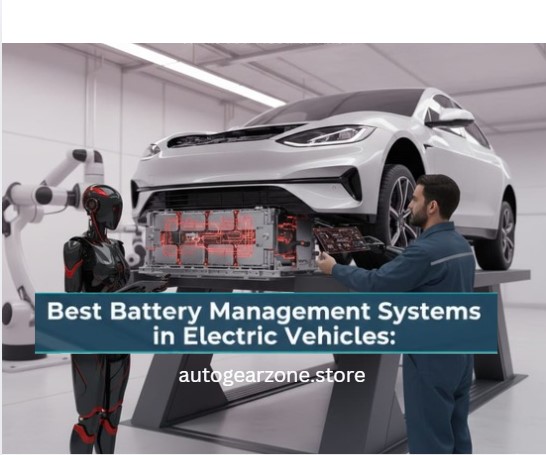
How Battery Management System Project Implementation Works
Building a functional BMS requires careful planning and integration. Engineers start by defining requirements based on the specific battery chemistry, vehicle type, and performance targets. Lithium-ion batteries, for instance, demand more precise monitoring than older technologies due to their sensitivity to voltage and temperature extremes.
The development process includes extensive testing under various conditions. Systems must prove they can handle everything from freezing cold starts to sustained high-speed driving on hot days. Safety validation is particularly critical, as the BMS serves as the primary defense against thermal runaway and other dangerous failure modes. This testing phase often reveals areas where algorithms need refinement or where additional sensors would improve performance.
Integration with vehicle systems presents its own challenges. The battery management system needs to communicate seamlessly with the charging controller, motor controller, thermal management system, and vehicle computer. Getting these different systems to work together smoothly requires careful attention to communication protocols and timing. The result is a cohesive system where battery management feels invisible to the driver while working constantly in the background.
Battery Management System Diagram and System Layout
Visual representations help explain how these systems connect and interact. A typical battery management system diagram shows the battery pack divided into modules, each containing multiple cells arranged in series and parallel configurations. Monitoring circuits attach to each cell or small group of cells, feeding data back through a hierarchical communication network.
The diagram also illustrates how the BMS interfaces with external systems. Charging inputs connect through dedicated circuits that allow the BMS to control current flow and monitor charging progress. Discharge paths to the motor controller include contactors that the BMS can open to disconnect the battery if it detects unsafe conditions. Temperature sensors appear throughout the pack, particularly in areas prone to heat buildup.
Understanding these layouts helps clarify why battery management system technology matters so much. Every connection point represents a potential failure mode that the BMS must monitor. Every sensor provides data that enables smarter control decisions. The complexity of these diagrams underscores the sophisticated engineering required to make electric vehicles safe and reliable for everyday use.


Real-World Benefits and Performance Impact
Effective battery management directly translates to better vehicle performance and lower ownership costs. By preventing cells from drifting apart in voltage, the system ensures the entire pack can charge to its full capacity and deliver maximum power when needed. This attention to detail means you get the range and acceleration the manufacturer promised, not a degraded version months down the road.
Thermal management controlled by the BMS keeps batteries operating in their ideal temperature range. Batteries that run too hot age faster and lose capacity more quickly. Those that operate too cold deliver less power and accept charge more slowly. A good battery management system actively works to maintain the goldilocks zone where batteries perform best and last longest, potentially adding years to the pack’s useful life.
The data collected by battery management systems increasingly feeds into predictive maintenance systems. By tracking how individual cells age and identifying patterns in performance degradation, the system can alert drivers to potential issues before they cause breakdowns. This proactive approach reduces unexpected failures and helps owners plan for battery service or replacement at optimal times.

Expert Tip
When charging your EV, avoid consistently charging to 100% or letting it drop below 20% unless necessary for a long trip. Operating in the 20-80% range reduces stress on the battery management system and can significantly extend overall battery life.
Safety Features and Protection Mechanisms
Battery management systems include multiple layers of safety protection. Overvoltage protection prevents cells from charging beyond safe limits, while undervoltage protection stops discharge before cells reach damaging low levels. These features work automatically, requiring no driver intervention, though you might notice reduced power or charging speed when the system activates these protections.
Overcurrent protection guards against excessive power draw during acceleration or rapid charging that could damage cells or connections. The BMS monitors current flow continuously and can limit power output or input when approaching safe thresholds. Similarly, temperature limits prevent operation when the pack is too hot or too cold, protecting both the battery and the vehicle occupants.
Short circuit detection and isolation capabilities represent the last line of defense. If the system detects a fault that could lead to dangerous conditions, it can disconnect the battery from the rest of the vehicle using high-voltage contactors. This fail-safe approach prioritizes safety above all else, even if it means leaving you unable to drive until the issue is resolved.
Future Developments and Emerging Technologies
Next-generation battery management systems are becoming smarter and more connected. Machine learning algorithms can now analyze years of operational data to predict battery behavior with remarkable accuracy. These intelligent systems adapt their management strategies based on individual driving patterns, optimizing for how each specific vehicle gets used rather than following generic protocols.
Wireless battery management represents another frontier. By eliminating the complex wiring harnesses that connect monitoring circuits to the main controller, wireless systems reduce weight, cost, and installation complexity. They also make it easier to service or replace individual modules without disturbing the entire pack. Early implementations are already appearing in production vehicles, with broader adoption expected in coming years.
Integration with vehicle-to-grid technology will expand the role of battery management systems beyond the vehicle itself. These systems will need to manage bidirectional power flow, allowing EVs to send energy back to the grid during peak demand periods. This capability requires even more sophisticated monitoring and control, as batteries will experience more varied charge and discharge cycles than traditional EV operation involves.
Common Questions About EV Battery Management
How long do battery management systems last?
Battery management systems typically outlast the battery pack itself, often remaining functional for 15-20 years or more. The electronics are designed to withstand the automotive environment and rarely fail if the vehicle hasn’t been in an accident or suffered water damage. Most EV owners will never need to replace or repair their BMS during their ownership period.
Can a faulty BMS damage the battery?
Yes, a malfunctioning battery management system can potentially harm the battery pack by allowing overcharging, deep discharge, or thermal stress. However, these systems are designed with redundancy and fail-safe modes to prevent such scenarios. Regular software updates from manufacturers often include improvements to BMS algorithms, helping maintain optimal protection throughout the vehicle’s life.
Do all electric vehicles use the same type of BMS?
No, different manufacturers use various architectures and strategies based on their specific battery designs and vehicle requirements. Some prioritize cost efficiency with centralized systems, while others opt for distributed or modular approaches that offer better performance or reliability. The underlying principles remain similar, but implementation details vary significantly across brands and models.
How does the BMS affect charging speed?
The battery management system plays a crucial role in determining charging speed by continuously assessing battery condition, temperature, and state of charge. It communicates with the charging station to request the optimal current level, which can vary throughout the charging session. This dynamic control is why charging speed often starts fast and then slows down as the battery approaches full capacity.
Frequently Asked Questions
What happens if a BMS fails completely?
Modern vehicles have backup systems and fail-safe modes designed to handle BMS failures. The vehicle typically enters a protected mode with limited functionality, allowing you to drive to a service center at reduced speed rather than being completely stranded. Dashboard warnings will alert you to seek immediate service.
Can I upgrade my EV’s battery management system?
Physical hardware upgrades are generally not practical or necessary, but software updates can significantly improve BMS performance. Many manufacturers release periodic updates that enhance battery management algorithms, sometimes improving range or charging speed. These updates often happen automatically or can be installed at service appointments.
Does the BMS work when the car is parked?
Yes, the battery management system remains active even when the vehicle is off, though it enters a low-power monitoring mode. It continues tracking cell voltages and temperatures, occasionally running balancing operations to maintain pack health. This background activity uses minimal power but is essential for maintaining battery condition during long periods of non-use.
How does cold weather affect battery management?
Cold temperatures require the BMS to work harder to maintain battery performance. The system may activate battery heating before allowing full power output or fast charging. This is why EVs often show reduced range in winter and why charging speeds can be slower in cold weather until the pack warms up.
Is battery management system technology standardized across manufacturers?
While basic principles are universal, each manufacturer implements BMS technology differently based on their specific battery chemistry, cell configuration, and performance goals. This variation means repair and service typically require manufacturer-specific tools and training, rather than generic automotive diagnostics.
Making Sense of Battery Management for EV Owners
Understanding battery management systems helps you make smarter decisions about EV ownership and use. These sophisticated systems work tirelessly to protect your investment while delivering the performance you expect. By recognizing how temperature, charging habits, and driving patterns affect battery health, you can work with your BMS rather than against it.
The technology continues advancing rapidly, with each generation of vehicles bringing smarter, more capable management systems. Today’s best battery management systems in electric vehicles represent years of engineering refinement and real-world testing. They balance complex trade-offs between performance, longevity, and safety in ways that would have seemed impossible just a decade ago. As EVs become more common, these systems will only get better at extracting maximum value from every kilowatt-hour of storage capacity.
Whether you’re shopping for your first EV or maintaining one you already own, knowing that a sophisticated battery management system is watching over your battery pack should provide confidence. These systems represent some of the most advanced automotive technology available today, and they’re a big part of why modern electric vehicles have become practical, reliable transportation for millions of people worldwide.