Can I buy car insurance without a license?
|
Getting your Trinity Audio player ready...
|
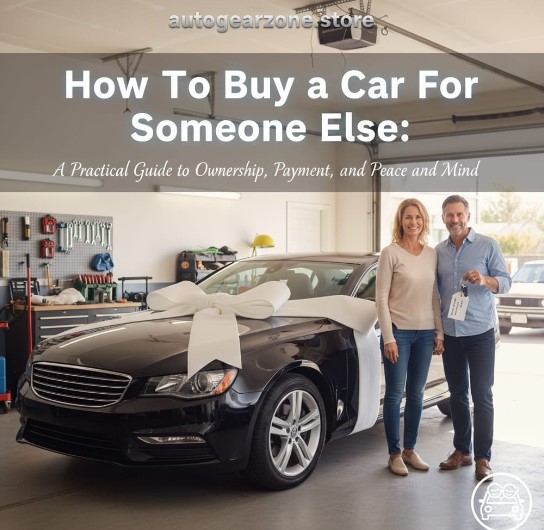
The Ultimate Guide to Buying Car Insurance Without a License?
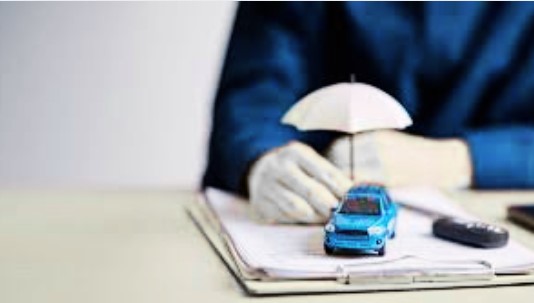
Securing car insurance is usually a simple matter of providing your license number and choosing a plan. However, what happens if you find yourself in a situation where you own a vehicle but don’t actually hold a valid driver’s license? Whether you are a car collector, a parent purchasing a vehicle for a child, or someone facing a temporary license suspension, you might be asking: Can I buy car insurance without a license?”
The short answer is yes, but the process requires a more nuanced approach than a standard application. Because insurance companies traditionally use your driving history to calculate risk, the absence of a license creates a data gap that must be addressed through specific policy structures. Here is some details about the automotive and insurance industries to help owners find the right path forward. In this comprehensive guide.
Legitimate Reasons to Insure a Vehicle as an Unlicensed Owner
There are numerous valid scenarios where an individual may own a car but cannot or should not drive it. Understanding these reasons helps insurance companies see you as a responsible asset owner rather than a high-risk liability.
1. Protecting Your Financial Investment
If you have purchased a vehicle but aren’t ready to drive it yet perhaps you are still practicing with a learner’s permit you still need to protect that investment. Accidents aren’t the only risk; theft, vandalism, or environmental damage like fallen trees can happen to a car that never leaves the driveway.
2. Providing for Family and Caregivers
Many people own a car so that a spouse, a teenage child, or a professional caregiver can drive them. In these cases, the “named insured” (the owner) is unlicensed, but the “primary driver” listed on the policy is fully licensed. This ensures the car is protected while the person actually operating it is correctly rated by the insurer.
3. Meeting Legal Registration Requirements
In almost every state, you cannot register a car in your name without proof of insurance. If you want the title and registration to be in your name, you must secure a policy first. The DMV typically doesn’t care if the owner has a license, but they care deeply that the vehicle is insured.
4. Maintaining a Classic Car Collection
Car enthusiasts often buy vintage or luxury vehicles as investments. These cars may spend years in a garage or workshop. While they aren’t being driven on public roads, they still require comprehensive-only or “parked car” insurance to protect against fire, flooding, or accidental damage during restoration.
How to Navigate the Application Process
Buying insurance without a license isn’t necessarily harder, but it does require more human interaction. You likely won’t be able to use a standard “quick quote” online tool because those systems are often hard-coded to require a valid license number to proceed.
| Step | Critical Action | Why It Is Essential |
| 1 | Designate a Primary Driver | You need a licensed person to be the “main” driver on the policy for risk assessment. |
| 2 | Choose a Specialized Insurer | Some carriers are more flexible with non-traditional identification like a State ID. |
| 3 | Exclude Yourself | Formally stating you won’t drive prevents the insurer from rating your personal risk. |
| 4 | Gather ID Alternatives | Use a State ID, Passport, or Military ID in place of a driver’s license. |
The Power of the “Excluded Driver” Clause
To get your policy approved, you might need to list yourself as an excluded driver. This is a legal agreement stating that the insurance company is not responsible for any accidents if you get behind the wheel. Since you don’t have a license, you shouldn’t be driving anyway, making this an excellent way to get the policy issued while keeping the premium based on the licensed primary driver’s record.
Addressing the Costs: What Should You Expect to Pay?
It is important to be realistic: insurance for unlicensed owners can sometimes be more expensive. Without a personal driving history to analyze, insurers may view the situation through a “high-risk” lens. However, by shopping around, you can still find competitive rates.
- Surcharges: Some carriers add a small administrative surcharge for the complexity of the manual filing.
- SR-22 Requirements: If your license was suspended due to a DUI or multiple infractions, you might need an SR-22 filing. This is a certificate proving you have state-mandated minimum coverage.
- Flexible Pricing: Interestingly, for those with a clean primary driver and a car in a safe location, some basic liability-only policies for these unique situations can start as low as $99 per month depending on your state.
Maintaining Continuous Coverage
One of the biggest mistakes an unlicensed owner can make is letting their insurance lapse. Even if you aren’t driving, a gap in coverage can cause your future rates to skyrocket when you finally do get your license. Keeping a policy active even a “storage-only” policy shows insurers you are a stable and responsible client.
State-Specific Nuances for Unlicensed Owners
Different states have different rules regarding how they handle unlicensed car owners. While the federal government doesn’t regulate insurance, each state’s Department of Insurance does.
- These states are very strict about maintaining active insurance on any registered vehicle. You can easily get insurance without a license here by naming a household member as the primary driver.
- These states are generally more flexible. They often allow the use of a Passport or a foreign driver’s license to secure a policy, which is helpful for international residents waiting for their local license.
- In some cases, New York insurers may require the owner to have a license, or they might insist on the car being co-titled with a licensed driver.
Expert Tips for a Successful Insurance Application
- Be 100% Transparent: Never try to use a friend’s license number as your own. If an insurer discovers a “material misrepresentation,” they can void your policy and deny any future claims, leaving you personally liable for thousands of dollars.
- Use an Independent Broker: Instead of calling one company at a time, use a broker. They have access to dozens of carriers and know exactly which ones are “unlicensed-friendly.”
- Check the Title Names: Ensure the name on the insurance policy matches the name on the vehicle title. If the car is titled to “John Doe” but insured by “Jane Smith,” the DMV may not accept it as valid proof of insurance.
- Consider a Co-Owner: If you are having a very hard time getting a policy alone, adding a licensed family member as a co-owner on the car title can solve the problem instantly.
Common Scenarios: Real-World Examples
The Student with a Permit
If you are currently learning to drive, you are in a “permit phase.” You have a permit number, which many insurers will accept to start a policy. You simply need to list a licensed adult—usually a parent or guardian—as the supervisor and primary driver.
The Senior Citizen
Many seniors choose to keep their car even after they stop driving. This allows a family member or a paid caregiver to drive them to grocery stores or medical appointments. In this case, the senior remains the owner and “named insured,” while the caregiver is the “primary driver.”
The International Resident
When moving to a new country, it can take months to secure a local license. During this time, you may still need a car for your family. Many specialized insurers allow you to start a policy using your international driving permit or even just a valid passport as identification.
Frequently Asked Questions (FAQs)
Q1: Can I register a car without a license?
Yes, you can register a car at the DMV without a license in most states. However, you will still need to show proof of identity (like a state ID or passport) and proof of insurance in your name.
Q2: Will my insurance cover me if I drive without a license?
Absolutely not. Driving without a license is a criminal offense. If you are involved in an accident while driving unlicensed, your insurer will deny the claim, and you will be responsible for all damages and legal fees.
Q3: Can I get insurance if my license is currently suspended?
Yes, and you often must get it to get your license back. You will likely need an SR-22 or FR-44 filing, which acts as a guarantee to the state that you have the required insurance levels.
Q4: Can I buy a car for my teenager and insure it?
Yes. You can be the owner of the vehicle and the policyholder, while listing your teenager as the primary driver. This is a common way to help young drivers build an insurance history.
Q5: What is “Storage-Only” insurance?
Also known as “Comprehensive-Only” coverage, this is for cars that are not being driven. It covers things like theft, fire, and falling objects but doesn’t include liability or collision coverage. It is significantly cheaper than a standard policy.
Comparison of Insurance Types for Unlicensed Owners
| Policy Type | Best For | What It Covers |
| Standard Policy | Owners with a licensed primary driver. | Liability, Collision, Comprehensive. |
| SR-22 Filing | Those with suspended/revoked licenses. | State minimum liability. |
| Parked Car / Storage | Collectors or cars in long-term repair. | Theft, Fire, Vandalism only. |
| Non-Owner Policy | Those who drive but don’t own a car. | Liability when driving borrowed cars. |
Final Perspective on Unlicensed Car Ownership
Navigating the world of car insurance without a license might feel like a maze, but it is a hurdle you can easily clear with the right strategy. By designating a trusted primary driver and being upfront with your insurance agent, you can protect your vehicle and stay compliant with state laws.
We believe that every car owner deserves peace of mind. Whether your car is a daily driver for a family member or a prized possession sitting in your garage, getting it properly insured is the first step toward responsible ownership. Don’t let the lack of a license stop you from protecting your assets and your future.