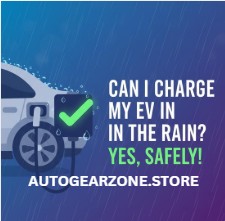
Can I Charge My Electric Vehicle in the Rain? Everything You Need to Know About Safe EV Charging
|
Getting your Trinity Audio player ready...
|
Can I Charge My Electric Vehicle in the Rain? Everything You Need to Know About Safe EV Charging
Imagine standing outside with your charging cable in hand, watching dark clouds roll in. Your electric vehicle needs a charge, but raindrops are already starting to fall. Should you wait it out, or is it actually safe to plug in? This is one of the most common questions new EV owners ask, and the uncertainty is completely understandable.
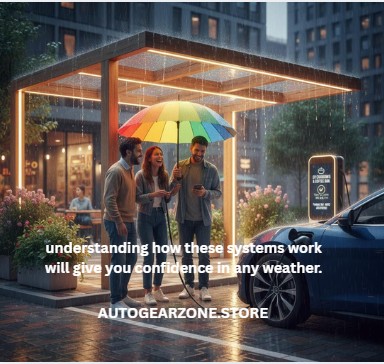
After all, we’ve been taught since childhood that water and electricity don’t mix. The good news is that electric vehicle charging systems are designed with weather in mind. Modern EVs and their charging equipment include multiple safety features specifically built to handle rain, snow, and various weather conditions. Whether you’re charging at home in your driveway or at a public charging station during a downpour, understanding how these systems work will give you confidence in any weather.
Key Takeaways:
- EV charging equipment is specifically engineered to be weatherproof and safe in rain.
- Multiple built-in safety mechanisms prevent electrical hazards during wet conditions.
- Charging stations meet strict international safety standards for outdoor use.
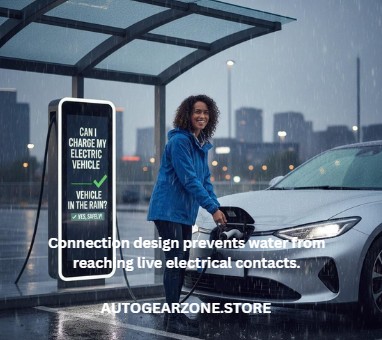
- Connection design prevents water from reaching live electrical contacts.
- Thunder and lightning require different considerations than regular rain.
Quick Tip:
Always store your charging connector in its holster when not in use. This keeps it clean, protects it from accidental damage, and prevents dirt or debris from accumulating around the electrical contacts.
Understanding How Electric Vehicle Charging Works in Wet Conditions
The engineering behind electric vehicle charging systems takes weather exposure seriously. Every component, from the charging port on your vehicle to the connector you hold in your hand, follows rigorous safety standards set by international organizations. These standards require that charging equipment can withstand direct exposure to rain without creating any safety risks. The charging port on your EV has a protective cover that keeps water out when not in use, and even when the port is open, the design channels water away from electrical contacts.
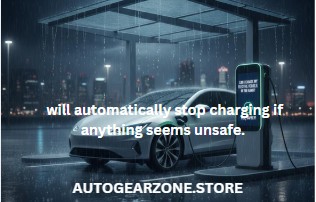
When you plug in your charging cable, the connection creates a weather-tight seal. The plug fits snugly into the port, and rubber gaskets around the connection point keep moisture from reaching any live electrical components. Think of it like a well-designed outdoor electrical outlet, but with even more sophisticated protection. The charging process itself includes constant monitoring systems that check for any irregularities, including moisture detection, and will automatically stop charging if anything seems unsafe.
The Safety Features That Protect You During Rain
Modern charging systems incorporate multiple layers of protection that work together seamlessly. Ground fault circuit interrupters (GFCI) represent the first line of defense, constantly monitoring the electrical current flow. If even a tiny number of current leaks where it shouldn’t, such as through water creating an unintended path, the GFCI cuts power in milliseconds. This happens faster than you could even feel a shock, making the system incredibly safe even in wet conditions.
Beyond GFCI protection, charging systems use what engineers call “interlock” mechanisms. These smart safety features verify that the charging connector is properly and fully inserted before allowing any electricity to flow. If the connection isn’t perfect, or if someone tries to unplug the cable while charging is active, the system immediately stops the current flow.
Additionally, the actual electrical contacts inside both the vehicle port and the charging connector are recessed and shielded, so water physically cannot reach them even during heavy rain. When properly connected, the system is sealed against water intrusion with an IP rating (Ingress Protection rating) that indicates it can handle wet environments.
Can My Electric Car Charger Get Wet Without Damage?
Your home charging station and the cables are built to live outdoors permanently, exposed to all weather conditions. Manufacturers design these units with weatherproof enclosures rated for continuous outdoor exposure. Rain, snow, sleet, and even direct sunlight won’t damage properly installed equipment. The electronics inside are sealed in protective housings, and all external surfaces use materials that resist corrosion and water damage. You’ll notice that quality charging stations have no exposed electrical components on the outside.
The charging cable itself deserves special attention because you handle it regularly. These cables use heavy-duty insulation and jacketing materials that completely protect the internal wiring from moisture. The connectors on both ends are sealed units designed to keep water out even when lying in a puddle. However, it’s still good practice to keep the connector off the ground when not in use, simply to prevent dirt and debris from accumulating. Hanging the cable on its holster or hook keeps everything cleaner and extends the equipment’s lifespan.
What About Public Charging Stations in the Rain?
Public charging stations face even harsher conditions than home chargers because they’re constantly exposed and used by many different people. Station operators know this, so commercial charging equipment meets even stricter durability standards. These stations operate reliably through rain, snow, extreme heat, and freezing temperatures. You’ll find them in completely open parking lots, shopping centers, and highway rest stops where they face full weather exposure 24 hours a day, 365 days a year.
When approaching a public charger in the rain, you might notice water on the connector handle or around the equipment. This is completely normal and expected. The safety systems account for surface moisture. Just pick up the connector and plug it in as you normally would. The weather-tight seal forms when you connect, and the charging process proceeds safely. Some newer stations even include covered areas or canopies to keep users more comfortable, but this is for your convenience rather than a safety requirement.
Charging Your Electric Car in a Thunderstorm: Different Considerations
Regular rain presents no issues for EV charging, but thunderstorms with lightning introduce additional factors worth considering. Lightning carries enormous electrical energy, and while your charging system has protections, a direct or very close lightning strike could potentially damage sensitive electronics. This applies to any electrical equipment, not just EV chargers. Your home computer, television, and other devices face similar theoretical risks during severe lightning activity.
The reality is that lightning damage to EV charging equipment remains extremely rare. Most modern charging stations and home units include surge protection designed to handle power spikes. Your home’s electrical panel likely has surge protection as well. However, some EV owners choose to postpone charging during active thunderstorms with frequent lightning in the immediate area, treating it the same way they might unplug valuable electronics. This represents an abundance of caution rather than a necessary safety measure for normal charging operations.
Making Smart Decisions During Severe Weather
If you’re already charging when a thunderstorm arrives, the system is generally safe to leave connected. The weather-tight seal between the connector and your vehicle port keeps rain from becoming an issue, and the surge protection handles most electrical anomalies. That said, if you feel more comfortable stopping the charging session during particularly severe lightning activity, you can safely unplug. Just follow the normal procedure: stop the charging session through your vehicle or the station interface, wait for the system to confirm it’s safe to disconnect, then unplug the connector.
For home charging, you might consider installing additional whole-house surge protection if you live in an area with frequent severe thunderstorms. This investment, typically around $200 to $500 professionally installed, protects all your home’s electronics, including your EV charging equipment. It’s the same smart protection strategy that many homeowners use regardless of whether they own an electric vehicle.
Can You Charge an Electric Car With a Regular Outlet in Rain?
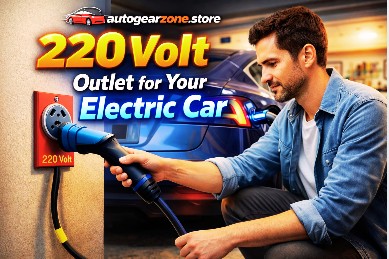
Many EV owners occasionally use standard household outlets for charging, especially when traveling or visiting friends and family. These regular outlets, technically called 120-volt outlets or Level 1 charging, work perfectly fine for EVs if they’re rated for outdoor use. The key phrase here is “rated for outdoor use.” An outdoor-rated outlet has a weatherproof cover and internal seals that protect against moisture. If you’re plugging into an outlet that’s already exposed to weather, it should be GFCI-protected and have a proper weatherproof cover.
The portable charging cable that came with your EV (often called the “occasional use cable” or “emergency charger”) has the same weather protection as any other EV charging equipment. You can use it in the rain without safety concerns. However, the outlet itself needs to be appropriate for outdoor use. If you’re using an indoor outlet by running an extension through a window or door, that’s not ideal for long-term charging and definitely shouldn’t be done in rain. Indoor outlets aren’t built to handle weather exposure, even indirectly.
Setting Up Safe Level 1 Charging at Home
If you regularly charge using a standard outlet, make sure it’s a dedicated outdoor-rated outlet with GFCI protection. An electrician can easily install one if you don’t already have a suitable outlet where you park. This typically costs between $150 and $300 and provides peace of mind knowing your charging setup meets proper safety standards. The outlet should have a weatherproof cover that closes securely, and you should check periodically that the GFCI function is working by pressing the test button.
When connecting your Level 1 charger, keep the portable charging unit itself off the ground and protected from standing water when possible. While the unit is weatherproof, keeping it hung or elevated simply makes good sense for equipment longevity. The connection to your vehicle is fully weather-sealed once plugged in, so rain won’t affect the actual charging process. Many EV owners successfully use Level 1 charging year-round in all weather conditions without any issues.
Can I Charge My Car in the Snow? Winter Weather Considerations
Snow brings its own set of questions, but the answer remains reassuring: yes, you can absolutely charge your electric vehicle in snow. The same weatherproofing that protects against rain works equally well with snow. In fact, snow is generally less concerning than rain because it’s frozen water that won’t conduct electricity until it melts. Your charging equipment handles snowy conditions without any special procedures needed on your part.
That said, winter charging does come with some practical considerations unrelated to safety. Cold temperatures affect battery chemistry, which means charging might take slightly longer in freezing weather. Your vehicle might also use some energy to warm the battery to an optimal temperature for charging. This is completely normal and expected behavior. Additionally, you’ll want to keep your charging port clear of ice and snow before plugging in, just as you’d clear ice from any mechanical connection.
Winter Charging Best Practices
Before plugging in during snowy conditions, brush snow away from your vehicle’s charging port area and the charging station or cable. This takes just a few seconds and ensures a clean, proper connection. If ice has formed around the charging port door, don’t force it open. Instead, let your vehicle warm up briefly, or use a plastic scraper (never metal, which could scratch or damage the paint and port). Once the port is clear, plug in normally. The connection will seal against snow and moisture just as it does against rain.
Some EV owners in heavy snow regions keep a small brush or cloth in their vehicle specifically for clearing the charging port and connector. This simple habit keeps everything working smoothly throughout winter. If you’re charging outdoors at home, you might consider installing your charging station under an eave or small roof overhang. This isn’t necessary for safety or equipment protection, but it makes your life more comfortable during charging by keeping snow off you and your vehicle’s charging area.
Is It Dangerous to Charge an Electric Car at Home in Any Weather?
Home EV charging is remarkably safe, regardless of weather conditions. Statistics show that properly installed home charging equipment has an excellent safety record. The key phrase is “properly installed.” When a qualified electrician installs your charging station following local electrical codes and manufacturer specifications, the system includes all necessary safety features and protections. This includes appropriate circuit breakers, GFCI protection, proper grounding, and weatherproof installation for outdoor units.
The electrical standards for home charging equipment in the United States, Canada, and other developed countries are stringent and specific. Equipment must be certified by recognized testing laboratories before being sold. Look for certification marks from organizations like UL (Underwriters Laboratories), CSA (Canadian Standards Association), or equivalent international bodies on your charging equipment. These certifications mean the equipment has passed rigorous safety testing including weather exposure, electrical safety, and durability testing.
Ensuring Your Home Charging Setup is Safe
If you’re installing a home charging station, always use a licensed electrician familiar with EV charging requirements. This might cost between $500 and $2,000 depending on your electrical panel’s capacity and the charging station’s location, but it’s money well spent for safety and code compliance. The electrician will ensure your home’s electrical system can handle the additional load, install proper overcurrent protection, and mount the charging station securely according to manufacturer specifications.
For outdoor installations, the electrician will select a mounting location that minimizes direct weather exposure when practical, though the equipment itself is fully weatherproof. They’ll also verify that all connections are sealed properly and that the station is securely grounded. Once installed, your home charging station requires minimal maintenance. An annual visual inspection to check for any damage to cables or the station housing is sufficient. If you ever notice any damage, exposed wires, cracks in the housing, or other concerns, stop using the equipment immediately and have it inspected by a qualified technician.
Understanding IP Ratings and Weather Protection Standards
You might see terms like “IP54” or “IP67” in charging equipment specifications. These IP (Ingress Protection) ratings tell you exactly how well the equipment resists dust and water. The first digit rates dust protection (0-6), and the second digit rates water protection (0-8). For example, IP54 means the equipment is protected against dust and can handle water splashing from any direction. IP67 indicates complete dust protection and the ability to withstand temporary water immersion.
Most home EV charging stations carry IP54 or higher ratings, which means they handle rain, snow, and general outdoor exposure without issues. Commercial charging stations often have IP67 ratings, indicating even more robust protection. These ratings aren’t marketing terms; they’re based on standardized testing procedures that subject equipment to specific dust and water exposure scenarios. When equipment carries these ratings, you can trust the protection level it provides.
What the Ratings Mean for Daily Use
In practical terms, any charging station rated IP54 or higher will handle any normal weather you encounter. Rain, snow, sleet, windblown moisture, and even accidental splashing from vehicle wash runoff won’t penetrate the protection. You don’t need to check the weather forecast before plugging in. You don’t need to cover your equipment or take special precautions. The protection is built into the equipment’s fundamental design and works automatically, every time you charge.
The connectors themselves (the plugs you hold) also have IP ratings, typically IP54 or IP55. This means even when the connector is unplugged and sitting in its holster during rain, water won’t get inside and damage it. The design philosophy behind EV charging equipment assumes it will be used outdoors in all conditions, so engineers build in protection from the ground up rather than treating weather resistance as an afterthought.
Real-World Experience: What EV Owners Actually Encounter
Talk to any EV owner who’s been driving electric for a few years, and they’ll tell you the same thing: weather simply isn’t a concern for charging. People charge their vehicles in thunderstorms, snowstorms, heat waves, and every other weather condition imaginable without incidents. The theoretical concerns that new EV owners often worry about don’t materialize in real-world use. The technology works as designed, and the safety systems prove themselves day after day.
Consider that millions of EVs worldwide charge every single day, often outdoors, in every climate and weather condition. From the rainy Pacific Northwest to snowy Canadian winters, from humid Florida summers to desert Southwest heat, EVs charge reliably regardless of what Mother Nature delivers. If weather-related charging problems were common, we’d see widespread reports. Instead, the data shows that properly installed charging equipment operates safely and reliably through years of weather exposure.
Learning from the EV Community
EV owner forums and social media groups provide valuable real-world perspectives. New owners often post their first-time experiences charging in rain or snow, and veteran owners consistently offer the same reassurance: it works exactly as it should, and safety concerns don’t materialize. Some owners share photos of their charging stations covered in snow or being hit by heavy rain, operating normally through it all. This collective experience of millions of charging sessions in all weather conditions provides strong evidence of the technology’s reliability.
One particularly interesting data point comes from commercial fleet operators who charge multiple vehicles daily, often outdoors, in all weather. Delivery companies, utility fleets, and taxi services accumulate massive amounts of charging experience quickly. Their operational data consistently shows that weather isn’t a factor in charging reliability or safety when equipment is properly installed and maintained. These businesses depend on reliable charging for their operations, and they wouldn’t use outdoor charging if weather created problems.
Expert Tip:
If you’re new to EV ownership, try charging in light rain early on to build your confidence. You’ll quickly realize that the process feels exactly the same as charging in perfect weather, and your concerns will disappear with experience.
Cost Considerations: Weather Protection and Installation Value
When budgeting for your home charging installation, weather protection is already built into the equipment cost. You don’t pay extra for weatherproof charging stations because all outdoor-rated units include this protection as a standard feature. A quality Level 2 home charging station typically costs between $400 and $1000 for the equipment itself, with installation adding another $300 to $1500 depending on your specific situation. This investment provides reliable charging for years, regardless of weather.
Some homeowners wonder if they should install their charging station inside a garage to protect it from weather. While garage installation is fine and often convenient, it’s not necessary for equipment protection. The decision should be based on your parking situation and convenience rather than weather concerns. Garage-mounted stations might stay a bit cleaner and are more comfortable to use in extreme weather, but outdoor stations work equally well from a safety and reliability standpoint.
Long-Term Value and Equipment Lifespan
Quality charging equipment, when properly installed, typically lasts 10 to 15 years or longer with minimal maintenance. Weather exposure doesn’t significantly impact this lifespan because the equipment is designed for it. The UV-resistant materials, corrosion-resistant hardware, and sealed electronics all contribute to long-term durability. Compare this to a garage door opener or outdoor electrical panel, both of which face weather exposure and typically last similar periods with minimal issues.
The charging cable itself might show cosmetic wear over years of use, but the electrical components inside remain protected throughout the cable’s lifetime. Most manufacturers warrant their charging equipment for three to five years, and many units continue operating well beyond the warranty period. This makes the initial investment quite reasonable when spread across the years of service you’ll receive. At an estimated cost of perhaps $1000 for equipment and installation, that’s roughly $5 per month over 15 years for the convenience of home charging in all weather conditions.
Common Myths About EV Charging in Bad Weather
Several persistent myths about weather and EV charging deserve addressing. One common misconception suggests that rain can cause electric shocks when charging. This simply isn’t how the safety systems work. The multiple layers of protection, including GFCI, proper grounding, sealed connections, and smart interlock systems, prevent any shock hazard. Another myth claims that charging equipment will fail or break if it gets wet. As we’ve discussed, the equipment is specifically engineered and tested for wet conditions and won’t fail due to normal rain exposure.
Some people worry that charging in cold weather will damage the battery. In reality, EV batteries include thermal management systems that protect them across a wide temperature range. While extreme cold does temporarily reduce range and charging speed, it doesn’t cause damage. The battery management system prevents charging under conditions that could cause harm. Similarly, some believe that snow or ice on the vehicle will create electrical hazards during charging. Snow and ice are actually insulators when frozen and become irrelevant once the proper connection is made between the charging port and connector.
Separating Fact from Fiction
Understanding the engineering behind EV charging helps dispel these myths. The systems are designed by electrical engineers who understand both the physics of electricity and the realities of how people use vehicles. They’ve anticipated every reasonable weather scenario and built protection accordingly. Testing protocols put equipment through far worse conditions than you’ll ever encounter in normal use, from artificial rain chambers to freeze-thaw cycles to direct water jets.
When you hear concerns about weather and EV charging, consider the source. Is it based on actual user experience and data, or is it speculation from someone unfamiliar with the technology? The empirical evidence from millions of EVs charging in all conditions worldwide clearly demonstrates that modern charging systems work safely regardless of weather. Trust the engineering, follow proper installation and usage guidelines, and you’ll have trouble-free charging for years.
Emergency Situations and What to Do
While modern charging systems are incredibly safe, knowing what to do in unusual situations provides additional confidence. If you ever notice any burning smell, unusual sounds, sparking, or visible damage to your charging equipment, stop using it immediately and contact a qualified electrician or the equipment manufacturer. These situations are extremely rare but shouldn’t be ignored. Similarly, if your vehicle displays any error messages related to charging, consult your owner’s manual or contact your dealer.
If severe flooding occurs and your charging equipment becomes submerged, do not use it until a qualified electrician inspects it, even though it’s technically waterproof. Submersion in deep water (beyond the IP rating specifications) could potentially compromise seals or introduce contaminants. After major storms with debris and high winds, visually inspect your charging equipment for any physical damage before using it. Look for cracks, loose wiring, damaged cables, or displaced mounting. Any damage should be evaluated by a professional before resuming charging.
When to Contact Professional Help
Schedule professional inspection if your charging equipment is more than five years old and hasn’t been checked recently, if you notice any physical damage or unusual behavior, or if your vehicle consistently displays charging errors. Many electricians who specialize in EV charging offer annual inspection services for around $100 to $200. This preventive maintenance can identify small issues before they become problems. Keep your equipment manufacturer’s customer service contact information readily available, along with your installing electrician’s information.
Remember that most charging issues have nothing to do with weather and are usually simple fixes like tripped breakers, incorrect settings, or software glitches. Your vehicle’s owner manual includes a troubleshooting section that addresses common charging questions. Many issues can be resolved by simply unplugging, waiting a minute, and reconnecting. Modern EV charging systems are robust and reliable, but like any electrical equipment, they occasionally need attention.
Looking Ahead: The Future of Weather-Resistant Charging Technology
Charging technology continues to evolve, with newer systems incorporating even more sophisticated weather protection and monitoring. Some advanced charging stations include built-in diagnostics that alert you to potential issues before they affect operation. Future systems might include automatic covers that protect the connector when not in use, heated charging cables for extreme winter conditions, or advanced sensors that adjust charging parameters based on environmental conditions.
Wireless charging technology, still emerging for EVs, will eventually eliminate exposed connectors entirely. These systems transfer power through electromagnetic induction, requiring no physical connection. While currently limited to specific vehicle models and still expensive, wireless charging could become more common over the next decade. This would make weather concerns even more irrelevant since there would be no cables or connectors exposed to the elements at all.
Frequently Asked Questions
Can I charge my EV during a hurricane or severe storm?
While the charging equipment itself is safe from rain, the larger concern during severe storms is potential power outages or downed power lines. If you know a major storm is approaching, fully charge your vehicle beforehand. During the storm, if power remains available and there’s no flooding, charging is technically safe, but many people prefer to wait out severe weather. Never charge if there’s any possibility of flooding that could submerge the equipment.
What happens if I unplug my EV while it’s raining?
Unplugging in the rain is perfectly safe. Follow the normal procedure: stop the charging session through your vehicle’s interface or the charging station, wait for confirmation that it’s safe to disconnect, then unplug. The system doesn’t allow power to flow when you’re removing the connector, so rain during disconnection presents no hazard. The exposed port on your vehicle and the connector in your hand are both weatherproof even when separated.
Do I need to cover my home charging station?
No, covering isn’t necessary. Home charging stations are designed for uncovered outdoor installation and include all necessary weather protection. Some people install small roof overhangs for their own comfort when plugging in during rain, but this is purely optional. The equipment itself needs no additional protection beyond its built-in weatherproofing. In fact, adding non-manufacturer covers might actually interfere with proper ventilation that the equipment needs.
Will my car charger work in extremely cold temperatures like -20°F or -30°C?
Yes, modern EV charging equipment operates across a wide temperature range, typically from -40°F to 120°F (-40°C to 50°C). At extremely cold temperatures, charging might proceed more slowly as your vehicle’s battery management system warms the battery pack to optimal temperature. The charging equipment itself continues functioning normally. Some cables might become temporarily stiff in extreme cold but remain safe to use.
Is there any maintenance needed for outdoor charging equipment?
Outdoor charging stations requires minimal maintenance. Periodically inspect the equipment for any visible damage, keep the area around it clear of debris, and test the GFCI function quarterly by pressing the test button. Wipe down the connector periodically to remove dirt or dust. Beyond these simple steps, professionally installed equipment typically needs no regular maintenance. If you notice any issues, contact a qualified electrician for inspection.
Understanding the Value of Weather-Resistant EV Infrastructure
The investment in weather-resistant EV charging infrastructure represents more than just convenient charging. It’s about creating reliable transportation systems that work regardless of environmental conditions. When you can charge your vehicle in any weather without concern, your EV truly becomes as practical as any vehicle for daily transportation. This reliability has been crucial for EV adoption worldwide, particularly in regions with challenging weather conditions.
The economic value extends beyond individual convenience. Fleet operators rely on outdoor charging infrastructure that works year-round without weather-related downtime. This reliability translates directly to operational costs and efficiency. Similarly, public charging networks need weather-resistant equipment to provide reliable service that drivers can depend on. The robust engineering that enables charging in rain and snow creates a foundation for the broader transition to electric transportation.
Consider that the charging infrastructure being installed today will serve vehicles for decades. Weather resistance isn’t just a feature for current convenience; it’s an investment in long-term reliability. As EV adoption increases and more people depend on electric transportation, the importance of weather-independent charging becomes even more apparent. The technology that allows you to confidently plug in during a rainstorm is the same technology that enables the entire electric vehicle ecosystem to function reliably across all climates and seasons.
Making Informed Decisions About Your EV Charging Setup
Understanding weather safety in EV charging empowers you to make smart decisions about your charging infrastructure. Whether you’re installing a home charging station, evaluating different equipment options, or simply deciding whether to charge during a storm, knowledge removes uncertainty. The key takeaway is that modern EV charging technology thoroughly addresses weather concerns through multiple layers of engineering and safety features.
When selecting your home charging equipment, focus on certified products from reputable manufacturers, proper professional installation, and appropriately rated electrical protection. These factors matter far more than weather concerns because the weather protection is already built into any quality equipment. Your decisions should center on charging speed, smart features, cost, and convenience rather than worrying about rain or snow performance.
As you gain experience with your EV, charging in various weather conditions will become routine and unremarkable. You’ll plug in during rainstorms without a second thought, just as you’ve learned to operate countless other electrical devices in your life that work perfectly fine regardless of weather. The technology is proven, the safety record is excellent, and millions of EV owners worldwide charge successfully every day in every imaginable weather condition. Your experience will be no different.
Table: Home EV Charging Equipment Comparison
| Feature | Level 1 (120V) | Level 2 (240V) | DC Fast Charging |
| Typical Cost | $0-$300 | $400-$1,000 | $10,000+ |
| Installation Cost | $0-$300 | $300-$1,500 | Professional only |
| Weather Rating | IP54+ | IP54+ | IP67+ |
| Outdoor Use | Yes | Yes | Yes |
| Charging Speed | 3-5 miles/hour | 12-60 miles/hour | 100-300 miles/hour |
| Rain Protection | Full | Full | Full |
| Snow Operation | Yes | Yes | Yes |
| Home Installation | DIY possible | Professional required | Not for home use |
The peace of mind that comes from understanding EV charging safety in all weather conditions removes one of the common barriers to electric vehicle ownership. Whether you’re considering purchasing your first EV or you’re already an owner looking for reassurance, the message is clear: modern charging technology is engineered specifically to handle weather exposure safely and reliably.
Rain, snow, heat, or cold, your charging equipment works the same way every time. This reliability is fundamental to the practical everyday use of electric vehicles and represents one of the many ways that EV technology has matured into a truly viable transportation solution for everyone, regardless of climate or location. Charge with confidence, knowing that engineers have solved the weather challenge comprehensively through thoughtful design and rigorous safety standards.