Can I Drive My Friend’s Car With My Insurance? Everything You Need to Know
|
Getting your Trinity Audio player ready...
|
Can I Drive My Friend’s Car With My Insurance? Everything You Need to Know
Introduction: Understanding the Basics of Borrowed Vehicle Coverage
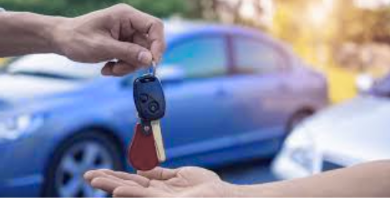
Picture this scenario: your friend tosses you their car keys and asks if you can drive them home after dinner. You catch the keys but pause for a second. A question flashes through your mind does my insurance cover me if something goes wrong? This everyday situation happens thousands of times daily, yet most drivers remain unsure about how auto insurance actually works when borrowing someone else’s vehicle.
Here’s something that might surprise you. Yes, you can usually drive your friend’s car legally, but the insurance coverage situation involves more layers than most people realize. Getting these details right protects you from unexpected financial problems and potential legal headaches that nobody wants to deal with.
This comprehensive guide reveals everything you need to know about insurance coverage when driving a friend’s vehicle. We’ll explore what’s actually protected, what leaves you exposed, and the essential steps to take before you slide into that driver’s seat and turn the key.
Understanding How Auto Insurance Really Works
Before we answer the burning question of can I drive my friend’s car with my insurance, let’s clear up a fundamental misconception that trips up countless drivers every single day. Many people believe their insurance policy follows them wherever they go, almost like an invisible protective shield that moves with them from car to car. The reality works quite differently in practice.
Auto insurance policies are designed to protect vehicles first and drivers second. When you purchase coverage, you’re primarily insuring a specific car listed on your policy. The insurance company evaluates risk based on that particular vehicle its value, safety features, and how it’s typically used throughout the year.
Think of it this way: your policy creates a protective umbrella over your car. Anyone you give permission to drive gets covered under that umbrella, though some important exceptions exist that we’ll explore in detail later.
Can I Drive My Friend Car?
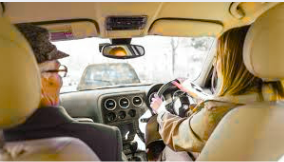
If you’re wondering can i drive my friend car, the answer usually depends on insurance coverage and local driving laws. In many countries, you can legally drive a friend’s car as long as you have a valid license and the owner’s insurance policy allows other drivers. However, coverage can vary by insurer, so it’s important to confirm whether you’re protected before driving to avoid unexpected fines or liability issues.
Primary vs Secondary Coverage Explained
Insurance professionals use terms like primary and secondary coverage, which determines who pays first when an accident happens. The car owner’s insurance serves as the primary coverage in almost every situation you’ll encounter. Your personal policy acts as secondary or excess coverage that might kick in if the primary policy limits get exhausted or specific circumstances arise.
This hierarchy matters enormously when claims exceed policy limits or unusual situations develop. Knowing which policy responds first helps you understand your actual financial exposure when driving someone else’s vehicle on the road.
The Truth About Driving Someone Else’s Vehicle
Here’s where things get interesting and where most confusion actually happens. When you drive your friend’s car with their permission, their insurance policy provides the primary coverage if something goes wrong. Your insurance typically remains on the sidelines unless specific circumstances bring it into play.
This arrangement is called permissive use in insurance language. Most standard auto policies automatically extend coverage to anyone the vehicle owner allows to drive their car. You don’t need to be specifically listed on their policy for this coverage to apply in most situations.
However, permissive use comes with strings attached that you need to understand. The car owner must give you explicit permission to drive. Unauthorized use—even from a friend—could void coverage entirely and leave you personally liable for damages. Some policies also limit how often or how long someone else can borrow the vehicle before coverage issues pop up.
State Variations You Should Know
Insurance regulations vary significantly across different states, which adds another layer of complexity to the question. Some states follow no-fault insurance systems where your own policy covers your injuries regardless of who caused an accident. Other states use traditional fault-based systems where the at-fault driver’s insurance pays for all damages.
California generally follows the insurance follows the car principle pretty strictly. New York’s no-fault system works differently, requiring your own personal injury protection to cover your medical bills first. These differences matter significantly when you drive across state lines or borrow vehicles registered in different states than where you live.
Michigan recently reformed its unique unlimited personal injury protection system, though it still operates differently than most other states across the country. Knowing your state’s specific rules helps you understand exactly what coverage applies when questions about can I drive my friend’s car with my insurance come up.
Key Scenarios and What Actually Happens
Let’s walk through real-world situations to illustrate how coverage works in practice. These examples show the distinction between insurance theory and what actually happens when rubber meets road.
Borrowing for a Quick Errand
Your friend asks you to move their car from one parking spot to another or maybe run to the store for groceries. This short-term occasional use falls squarely under permissive use. If you accidentally back into a pole, your friend’s collision coverage handles the repairs to their car. Their liability insurance covers any damage to the pole or other property you might hit.
Your personal insurance stays completely out of the picture unless your friend’s coverage somehow proves insufficient. This scenario represents the cleanest and most straightforward borrowing situation you’ll encounter.
Extended Use Situations
Now imagine your friend goes on a two-week vacation and lets you use their car while they’re away traveling. This extended borrowing creates potential issues depending on the insurance company and specific policy language. Some insurers limit permissive use to occasional borrowing, not semi-permanent arrangements that last weeks.
If you’re using someone’s car regularly for an extended period, the insurance company might argue you should be listed as a rated driver on the policy. This requirement protects the insurer from underwriting risks they didn’t price into the original premium when the policy was written. Getting formally added usually increases the premium but eliminates coverage disputes down the road.
Extended use also raises questions about garaging location that many people overlook. Insurance rates factor in where a vehicle normally parks overnight. If you’re keeping your friend’s car at your address for weeks, this could technically violate policy terms even if permissive use applies to your driving.
The Rental Car Comparison
Interestingly, driving a friend’s car differs significantly from renting a vehicle from a commercial rental company. Rental car companies provide their own liability coverage as primary protection, though it’s often minimal and barely covers serious accidents. Your personal auto insurance might extend to rental cars and provide better protection than the rental company’s basic coverage.
Many credit cards also offer rental car insurance as a cardholder benefit, typically covering collision damage up to $99 or even several thousand dollars depending on your card. This creates multiple layers of potential coverage that simply don’t exist when borrowing from friends. Understanding these differences helps you make informed decisions about whether to purchase additional rental insurance or rely on existing coverage.
What Your Policy Might Cover When Driving a Friend’s Car
Your personal auto insurance policy can provide important backup protection when driving someone else’s vehicle. Understanding exactly what coverage extends and what doesn’t helps you evaluate your true risk exposure before getting behind the wheel.
Liability Coverage Specifics
Most standard auto policies include a provision extending your liability coverage to non-owned vehicles you drive with permission. This means if you cause an accident in your friend’s car and the damages exceed their liability limits, your policy might cover the excess amount beyond what their insurance pays.
For example, imagine you cause a serious accident that results in significant damages and injuries totaling around $400,000. Your friend carries state-minimum liability coverage of $25,000 per person and $50,000 per accident. After their policy exhausts its limits, your liability coverage could step in to cover the remaining damages up to your policy limits.
This secondary protection explains why maintaining adequate liability limits on your own policy matters even when driving other vehicles you don’t own. Minimum coverage often proves catastrophically inadequate in serious accidents, and your policy provides that crucial safety net everyone needs.
Collision and Comprehensive Considerations
The picture gets murkier with physical damage coverage for the vehicle itself. Your collision and comprehensive coverage typically does NOT extend to vehicles you don’t own. If you crash your friend’s car, your collision coverage won’t pay for repairs to their vehicle in most situations.
Some insurance companies offer non-owned auto coverage or extended transportation coverage as optional add-ons. These specialty endorsements can fill gaps for people who frequently borrow vehicles or use car-sharing services regularly. They remain relatively uncommon on standard policies but prove worth investigating if you regularly drive cars you don’t own.
Medical payments coverage and personal injury protection on your policy might cover your own injuries when driving someone else’s car, depending on your state and specific policy language. This protection travels with you regardless of what vehicle you’re operating at any given time.
Coverage Gaps to Watch For
The handoff between primary and secondary coverage creates potential gaps where neither policy fully responds as you’d expect. Deductibles present one common issue that catches people off guard. If your friend’s policy has a $1,000 deductible and your policy never triggers because damages stay within their limits, someone still needs to pay that deductible out of pocket before repairs happen.
Uninsured motorist coverage represents another potential gap that causes confusion. If an uninsured driver hits you while driving your friend’s car, the question of which policy’s uninsured motorist coverage applies can become surprisingly complex. Policy language varies by company, and sometimes both policies might deny coverage while arguing the other should pay.
These gaps highlight why having a frank conversation with your friend about their coverage before borrowing their car makes smart financial sense for everyone involved in the arrangement.
When You’re NOT Covered (Critical Information)
Understanding coverage is important, but knowing when coverage definitely doesn’t apply could save you from financial disaster. Several common situations eliminate insurance protection entirely or create serious complications nobody wants.
Excluded Drivers
Insurance policies often list specific excluded drivers who cannot operate the vehicle under any circumstances whatsoever. These exclusions typically appear when someone in the household has a terrible driving record, multiple DUI convictions, or other high-risk factors that would make coverage expensive. Adding them as an excluded driver lets the policyholder maintain affordable rates.
If you’re listed as an excluded driver on your friend’s policy and you drive their car anyway, no coverage exists at all. The insurance company will deny any claim immediately, leaving both you and your friend personally liable for all damages. This applies even if your friend explicitly gave you permission to drive their vehicle.
Never assume you’re not excluded without checking first. If you’re a household member or regular occupant of your friend’s residence, you might be on the exclusion list without even realizing it. Always ask directly before getting behind the wheel to avoid nasty surprises.
Permissive Use Limits
Insurance companies limit permissive use in several ways that aren’t always obvious to policyholders. Most policies allow occasional borrowing but draw the line at regular or business use that goes beyond friendship. If you borrow your friend’s car three times a week for your daily commute to work, that likely exceeds permissive use boundaries significantly.
Some insurers also restrict permissive use to specific circumstances spelled out in policy documents. Using a borrowed car for commercial purposes like food delivery or ridesharing almost certainly violates standard policy terms completely. These activities require special commercial insurance that personal auto policies simply don’t provide.
The frequency and duration of borrowing matters too in determining coverage. While there’s no magic number, using someone’s car more than a handful of times per year or for periods longer than a week often triggers requirements to be formally added to the policy as a rated driver.
Business Use Exceptions
This point deserves special emphasis because it catches many people completely off guard. Most personal auto insurance policies exclude business use entirely from coverage. If you borrow your friend’s car to make deliveries for your side business, visit client sites, or transport goods for profit, you have zero coverage if something goes wrong on the road.
The distinction between personal errands and business use sometimes gets fuzzy and hard to define. Driving to the store on your lunch break probably qualifies as personal use. Driving to make a sales call absolutely counts as business use in any insurance company’s eyes. Insurance companies investigate these details carefully when evaluating claims and looking for reasons to deny coverage.
Even well-intentioned arrangements between friends can create coverage nightmares if business use enters the picture at all. Making money while driving someone else’s vehicle requires proper commercial insurance arrangements that most casual borrowing situations completely lack.
Essential Steps Before Borrowing a Friend’s Car
Smart drivers take proactive steps to protect themselves and their friends before borrowing any vehicle. This practical checklist helps you avoid nasty surprises and ensures everyone understands the arrangement clearly from the start.
Have the Conversation
Start by discussing insurance coverage directly with your friend in an honest way. Ask about their policy limits, deductibles, and whether any exclusions might apply to you specifically. This might feel awkward initially, but it’s far less uncomfortable than arguing about who pays for damages after an accident happens.
Find out whether they’re comfortable with you driving their car and truly understand the insurance implications involved. Some people agree to let friends borrow cars without realizing their own rates might increase if you have an accident, even if you’re completely at fault.
Make sure your friend has actually reviewed their policy recently and knows what coverage they carry right now. Many drivers purchase insurance and never look at their policy details again for years, making them unreliable sources of information about their actual coverage.
Document the Permission
Get clear explicit permission to drive the vehicle, ideally in writing or documented somehow. A simple text message saying your friend is letting you borrow their car and acknowledging you have permission creates a record that could prove crucial if disputes arise later.
This documentation protects both parties in the arrangement. It proves permissive use existed if the insurance company questions the claim during investigation. It also establishes clear expectations about how long you can use the vehicle and for what specific purposes.
Take photos of the car’s condition before you drive it, noting any existing damage like scratches or dents. These pictures prevent arguments later about whether you caused specific damage or if it existed beforehand. They take just seconds to capture but provide valuable protection for everyone.
Verify Your Own Coverage
Review your personal auto insurance policy to understand exactly what extends to borrowed vehicles you might drive. Call your insurance agent or company directly if policy language seems unclear or confusing to interpret. Agents can explain your specific coverage in plain English and identify potential gaps you should know about.
Ask specifically whether your liability coverage acts as secondary protection when driving non-owned vehicles. Confirm your medical payments or personal injury protection coverage travels with you wherever you drive. Understanding your backup protection helps you evaluate total risk accurately before making decisions.
Consider whether your current coverage limits make sense given your exposure when driving other vehicles regularly. If you carry only minimum liability coverage, you might want to increase limits knowing you could face secondary liability in borrowed vehicle situations that exceed primary coverage.
Check State Requirements
Research the insurance requirements in your state and any states you might drive through during your trip. Some states have specific rules about borrowed vehicles that don’t apply to owned cars in those jurisdictions. Understanding these nuances prevents legal complications nobody wants.
Verify that your friend’s vehicle registration and insurance are current and valid right now. Driving an uninsured or unregistered vehicle creates serious legal problems regardless of who actually owns the car. You could face fines, license suspension, or worse if stopped by police during a traffic stop.
Make sure you understand fault determination rules in your state clearly. Knowing whether you’re in a no-fault state or traditional tort state affects how claims get handled and which coverage applies first in accident situations.
Insurance Coverage Scenarios: What’s Covered When
| Scenario | Primary Coverage | Secondary Coverage | Your Risk Level |
|---|---|---|---|
| Occasional borrowing with permission | Friend’s policy | Your liability if limits exceeded | Low |
| Extended use lasting 1+ weeks | Friend’s policy questionable | Possible denial from both policies | Medium to High |
| Excluded driver operates vehicle | None | None | Extreme |
| Business use of borrowed car | None | None | Extreme |
| Accident caused by uninsured driver | Friend’s uninsured motorist | Your uninsured motorist possibly | Medium |
| You cause accident under policy limits | Friend’s policy pays all | Your policy uninvolved | Low |
| You cause accident exceeding limits | Friend’s policy pays limits | Your liability pays excess | Medium |
| Damage from weather or theft | Friend’s comprehensive | Not applicable | Low if you followed terms |
This table simplifies complex situations for easy reference. Actual coverage depends on specific policy language and circumstances unique to each situation. Use it as a general guide rather than definitive answers for your particular case.
Real-World Examples That Show How This Actually Works
Reading about insurance theory helps, but nothing beats seeing how coverage plays out in actual real-life situations. These examples based on common scenarios illustrate the principles we’ve discussed throughout this guide.
Example 1: The Fender Bender
Sarah borrowed her friend Mike’s car to pick up furniture from across town one afternoon. While backing out of a parking space at the furniture store, she accidentally hit another car, causing $3,500 in damage to the other vehicle and $2,200 in damage to Mike’s car. Mike’s insurance policy included $100,000 liability coverage and collision coverage with a $500 deductible.
Here’s how it played out in real life: Mike’s liability coverage paid the full $3,500 to repair the other car with no issues or complications. Mike’s collision coverage paid $1,700 toward repairs on his own car after the $500 deductible applied. Mike had to pay that $500 deductible out of his own pocket before repairs could begin. Sarah’s insurance never entered the picture because Mike’s coverage handled everything within its limits.
The catch that surprised them? Mike’s insurance rates increased at renewal time because a claim occurred on his policy, even though Sarah was driving when the accident happened. This demonstrates why some friends hesitate to lend vehicles even when coverage technically applies to permissive use.
Example 2: The Serious Accident
James borrowed his roommate’s car and unfortunately caused a major accident that injured three people in another vehicle. Total damages reached $275,000 including medical bills, lost wages, and vehicle repairs. James’s roommate carried state minimum liability coverage of $25,000 per person and $50,000 per accident as required by law.
The roommate’s insurance paid its $50,000 policy limit immediately, but that left $225,000 in unpaid damages outstanding. The injured parties then filed a claim against James’s personal auto policy, which fortunately included $250,000 in liability coverage. James’s insurance paid the remaining $225,000 as secondary coverage that saved him financially.
Without that secondary coverage from his own policy, James would have faced personal liability for the excess damages beyond the first $50,000, potentially leading to wage garnishment, property liens, or even bankruptcy. This example shows why maintaining adequate liability coverage on your own policy matters even when you rarely drive your own car regularly.
Example 3: The Coverage Denial
Marcus regularly borrowed his girlfriend’s car three to four times weekly to commute to work because his own car was unreliable and kept breaking down. After six months of this regular arrangement, he caused an accident causing $15,000 in damages to another vehicle. The girlfriend’s insurance company investigated the circumstances and discovered the regular use pattern through witness statements.
The insurer denied the claim completely, arguing that Marcus should have been listed as a rated driver on the policy given the frequency and regular nature of the borrowing arrangement. They classified the situation as exceeding permissive use boundaries significantly. Marcus’s own policy also denied coverage, stating their insured vehicle wasn’t involved in the accident at all.
This denial left both Marcus and his girlfriend personally liable for all $15,000 in damages to the other driver. They eventually settled with the injured party and learned an expensive lesson about the limits of permissive use coverage that cost them dearly.
Frequently Asked Questions
Does my insurance cover me if I drive my friend’s car in another state?
Generally yes, but with important caveats you should understand. Insurance coverage typically extends across state lines, and your friend’s policy should cover you in other states just as it would at home. However, each state has different minimum insurance requirements and specific rules about coverage. If your friend’s policy meets their home state minimums but falls short of requirements in the state you’re driving through, complications can arise that affect coverage. Additionally, some states follow no-fault systems while others use traditional fault determination, which affects how claims get processed and paid. When planning road trips in borrowed vehicles, verify the insurance situation covers multi-state travel and meets all relevant state requirements where you’ll be driving.
What happens if I get into an accident in my friend’s car and I don’t have my own insurance?
This creates a serious situation with potentially severe financial consequences. Your friend’s insurance should still cover the accident as primary coverage under permissive use provisions, assuming you had explicit permission to drive their vehicle. However, you lose the secondary protection that your own policy would provide if damages exceed your friend’s policy limits significantly. You become personally liable for any excess damages, which could result in lawsuits against you, wage garnishment, or liens against your personal property. Many states also require all drivers to carry insurance regardless of whether they actually own a vehicle. Driving without insurance can result in fines, license suspension, and legal penalties separate from any accident liability you might face. If you don’t own a car but drive regularly, consider purchasing a non-owner insurance policy that provides liability coverage wherever you drive.
Can I add my friend to my insurance policy temporarily?
Standard insurance policies don’t typically allow truly temporary additions in the sense of adding someone for just a day or single week. However, you can certainly add drivers to your policy at any time, and you can also remove them later when circumstances change. The process requires contacting your insurance company directly, providing detailed information about the additional driver including their license and driving history, and accepting the premium adjustment that results from the change. The insurer will rate that driver based on their age, driving record, and other risk factors, which might increase or occasionally decrease your rates depending on circumstances. For very short-term situations like a single weekend, this process probably isn’t practical or necessary. For longer arrangements where someone regularly drives your car over weeks or months, adding them properly protects everyone and ensures clear coverage without disputes.
Will my rates go up if my friend crashes my car?
Unfortunately, the answer is probably yes in most cases. Insurance companies track claims history by policy regardless of who was actually driving when an accident occurred on the road. When your friend crashes your car and a claim gets filed against your policy, that claim appears on your insurance record permanently. At renewal time, insurers typically increase premiums for policyholders who’ve filed claims, even if they weren’t personally driving at the time of the accident. The increase varies based on the severity of the accident, the amount paid out in claims, and your prior claims history over recent years. Some insurers offer accident forgiveness programs that waive the first at-fault accident, which might protect you from rate increases. This financial reality is why many people hesitate to lend their vehicles even to trusted friends with good driving records. The consequences extend beyond just the immediate accident costs.
Is borrowing a car different from being listed as an occasional driver?
Yes, these represent distinctly different arrangements with very different insurance implications. Borrowing a car casually under permissive use means you drive occasionally with permission but aren’t formally part of the insurance policy at all. The coverage extends to you automatically under most policies, but you’re not rated or charged for as a driver. Being listed as an occasional or rated driver means the insurance company knows you drive the vehicle regularly, has evaluated your driving record carefully, and charged an appropriate premium that reflects your risk. Listed drivers have clearer and stronger coverage protections and fewer concerns about permissive use limits being exceeded. If you drive someone’s car frequently over time, being properly listed prevents coverage disputes and ensures everyone’s protected adequately. The cost difference might be less than you expect, and the peace of mind proves worth it for regular driving arrangements.
Making Smart Decisions About Borrowed Vehicles
After absorbing all this detailed information, you might feel somewhat overwhelmed by the complexity of insurance coverage when driving a friend’s car. The good news is that most casual borrowing situations work out fine when handled responsibly and with proper communication. Following basic precautions protects everyone involved from problems.
The fundamental principle remains simple and straightforward: insurance follows the car in the vast majority of situations you’ll encounter. When the question can I drive my friend’s car with my insurance comes up, remember that their coverage provides primary protection while yours acts as backup. This system works well for occasional borrowing but creates risks in extended use or special situations that exceed normal parameters.
Smart drivers take three essential actions before borrowing any vehicle from anyone. First, have an honest conversation about insurance coverage and clear expectations for the arrangement. Second, verify that explicit permission exists and document it somehow for future reference. Third, understand your own policy’s secondary coverage provisions and decide whether that protection adequately addresses your risk exposure in the situation.
Consider the financial implications beyond just insurance coverage itself. Even when coverage applies properly, someone pays deductibles, deals with rate increases at renewal, and invests time handling claims paperwork. True friendship means respecting these burdens and taking responsibility seriously when borrowing valuable property like vehicles.
Final Thoughts on Insurance and Borrowed Cars
The question of whether you can drive your friend’s car with your insurance has a nuanced answer that depends on specific circumstances, detailed policy terms, and how you actually use the vehicle on the road. Generally, you’re covered under your friend’s insurance through permissive use provisions, with your own policy providing backup protection if needed in serious situations.
However, coverage gaps, limitations, and exclusions create situations where neither policy responds adequately to claims. Extended use, business purposes, and being an excluded driver represent major red flags that eliminate coverage entirely and leave you exposed. Understanding these boundaries helps you avoid financial disasters that nobody wants.
The insurance industry designed policies to cover occasional permissive use specifically because sharing vehicles among friends and family is common in everyday life. Companies account for this reality in their underwriting and pricing structures. Taking advantage of this coverage responsibly maintains the system’s viability for everyone who benefits.
When in doubt about any situation, communicate openly with everyone involved, review policies carefully before making decisions, and consider whether borrowing a particular vehicle at a particular time makes sense given all the factors involved. Sometimes paying for a rental car or rideshare service proves cheaper and less risky than borrowing, especially for extended periods or special circumstances that push boundaries.
Your responsibility extends beyond just having permission to drive someone’s vehicle. It includes understanding insurance implications fully, respecting your friend’s financial interests, and making choices that protect everyone involved from unnecessary risks. With proper preparation and knowledge, borrowing vehicles can remain a convenient and friendly arrangement that benefits everyone without creating unnecessary risks or complications down the road.
Remember that insurance rules and policy terms vary significantly between different companies and states across the country. The general principles outlined here apply broadly to most situations, but your specific circumstances might include unique factors that change how coverage works in practice. Consulting with licensed insurance professionals about your particular situation always provides the most reliable guidance you can get. Taking time to understand these details before an accident happens proves infinitely easier than sorting out coverage disputes after damages occur and emotions run high.
Drive safely, communicate clearly, and make informed decisions every time you borrow a vehicle. Your financial security and your friendships both depend on getting these details right from the very beginning.