Do Electric Cars Require Oil Changes? Everything You Need to Know
|
Getting your Trinity Audio player ready...
|
Do Electric Cars Require Oil Changes? Everything You Need to Know
If you are considering switching to an electric vehicle or have recently purchased one, you might be wondering about routine maintenance tasks. One of the most common questions new EV owners ask is: do electric cars require oil changes? The short answer might surprise you. Unlike traditional gasoline-powered vehicles that need regular oil changes every few thousand miles, electric cars operate on an entirely different system.
Understanding this difference can save you both time and money while helping you make informed decisions about your vehicle’s care. In this guide, we will break down everything you need to know about EV maintenance and why the answer to whether electric cars need oil changes is more nuanced than a simple yes or no.
Key Takeaways
- Fully electric vehicles do not need engine oil changes because they lack traditional combustion engines.
- Electric motors use different lubrication systems that rarely require maintenance.
- EVs still need other fluids checked including brake fluid and coolant for the battery system.
- Maintenance costs for electric vehicles are typically lower than gas-powered cars.
- Hybrid vehicles may still require oil changes depending on their powertrain configuration.
Free PDF Download:
Electric_Cars_Oil_Changes_2_PageUnderstanding How Electric Cars Work
Before we dive into whether electric cars take oil changes, it helps to understand how these vehicles actually operate. Electric vehicles use electric motors powered by rechargeable battery packs instead of internal combustion engines. These motors convert electrical energy into mechanical energy to turn the wheels. The process is remarkably efficient and involves far fewer moving parts than a traditional engine. Where a gas engine might have hundreds of components including pistons, valves, and camshafts that require constant lubrication, an electric motor operates with minimal friction and heat generation.
The absence of an internal combustion engine fundamentally changes the maintenance requirements. Traditional engines burn fuel at high temperatures, creating byproducts that contaminate engine oil over time. This contamination is why regular oil changes are necessary for gas-powered vehicles. Electric motors don’t have this issue. They’re designed with sealed bearings and self-contained lubrication systems that can last the lifetime of the vehicle in most cases. This design difference is one of the key reasons maintenance schedules look so different between electric and conventional vehicles.

Do Electric Cars Still Require Oil Changes?
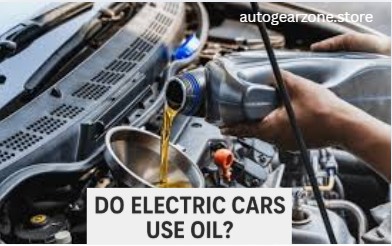
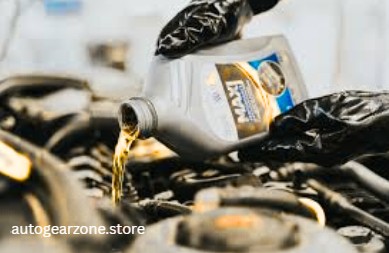
Now let’s address the main question directly. Do fully electric cars need oil changes? The answer is no. Pure electric vehicles do not require traditional engine oil changes because they don’t have combustion engines. There’s no engine oil to drain and replace. This represents one of the most significant maintenance advantages of going electric. However, this doesn’t mean electric cars are completely maintenance-free. They still have other fluids and components that need attention, but the costly and time-consuming ritual of regular oil changes is eliminated entirely.
Some people search online asking ‘do electric cars need oil changes reddit’ or similar queries because they’re looking for real-world experiences. The consensus among EV owners is clear: you can say goodbye to those 3,000 or 5,000-mile oil change reminders. The money you would typically spend on oil changes adds up significantly over the life of a vehicle. Considering that oil changes can cost anywhere from $35 to $121 depending on your vehicle and location, eliminating this expense translates to real savings. Over ten years of ownership, you could save well over a thousand dollars just on oil changes alone.
What About Hybrid Vehicles?
This is where things get a bit more complicated. Not all electric vehicles are created equal. If you’re driving a hybrid or plug-in hybrid vehicle, you likely still need regular oil changes. These vehicles combine an electric motor with a traditional gasoline engine. When the gas engine is running, it requires the same lubrication and maintenance as any conventional car. Hybrid owners need to follow the manufacturer’s recommended oil change intervals just as they would with a regular vehicle.
The distinction between hybrids and full EVs is important when considering whether do electric vehicle need oil changes. A Toyota Prius requires oil changes. A Tesla Model 3 does not. A Chevy Volt needs them. A Nissan Leaf doesn’t. Always check your owner’s manual to understand your specific vehicle’s requirements. If your vehicle has both an electric motor and a gas engine, plan on maintaining the gas engine according to traditional schedules. The electric components still reduce overall maintenance compared to a conventional car, but you haven’t completely eliminated oil changes.

Fluids That Electric Cars Do Need
Brake Fluid
Even though do all electric cars need oil changes receives a firm no, EVs still require brake fluid maintenance. Electric vehicles use regenerative braking systems that reduce wear on brake pads, but the hydraulic brake system still needs fluid. This fluid should be checked and replaced according to your manufacturer’s schedule, typically every two to three years. The good news is that because regenerative braking does most of the work in normal driving, your brake fluid often stays cleaner longer than in traditional vehicles.
Coolant for Battery and Motor
Electric vehicles use coolant to regulate the temperature of the battery pack and electric motor. Unlike engine coolant that deals with extreme combustion temperatures, EV coolant operates in a more moderate range. However, it’s still essential for preventing overheating and ensuring optimal performance. Most manufacturers recommend checking coolant levels during regular service intervals and replacing the coolant every few years. This is a relatively simple maintenance task that helps protect your expensive battery system.
Windshield Washer Fluid
This one might seem obvious, but it’s worth mentioning. Electric cars use windshield washer fluid just like any other vehicle. You’ll need to top this off periodically to keep your windshield clean. While not technically a maintenance item, it’s part of keeping your vehicle in good operating condition. The simplicity of this task reminds us how straightforward EV ownership can be compared to managing all the fluids in a conventional car.

Transmission Fluid in Electric Vehicles
Here’s another area where electric cars differ significantly from conventional vehicles. Most electric cars don’t have traditional multi-speed transmissions. Instead, they use single-speed reduction gearboxes. These gearboxes do contain lubricant, but it’s typically sealed and designed to last the lifetime of the vehicle. Some manufacturers recommend checking or changing this fluid at extended intervals (perhaps every 100,000 miles or more), but it’s nowhere near as frequent as oil changes in gas vehicles.
When people wonder do electric cars not need oil changes, they’re often surprised to learn about the reduction gearbox fluid. While this is technically a lubricant that might need eventual replacement, it’s not what we traditionally think of as an oil change. The maintenance interval is so long that many EV owners never need to service it during their ownership period. This stands in stark contrast to the regular 5,000-mile oil changes required by most gasoline engines.
Quick Tip
Always keep your vehicle’s owner manual handy and review the maintenance schedule. While electric cars generally need less maintenance, following manufacturer recommendations ensures your warranty remains valid and your vehicle performs optimally for years to come.
Cost Savings from Reduced Maintenance
One of the most attractive aspects of electric vehicle ownership is the reduced maintenance costs. When you eliminate oil changes, you’re removing not just the cost of the oil and filter, but also the labor charges and inconvenience of scheduling regular service appointments. Studies have shown that EV owners spend about half as much on maintenance and repairs compared to owners of conventional vehicles. This difference adds up significantly over the years.
Beyond oil changes, electric vehicles also experience less wear on brake systems due to regenerative braking. There are no spark plugs to replace, no timing belts to service, and no exhaust systems to repair. The simplicity of the electric drivetrain means fewer things can go wrong. While battery replacement costs can be high if needed outside warranty coverage, most modern EV batteries are designed to last well beyond 100,000 miles with minimal degradation. The overall cost of ownership equation often favors electric vehicles when you account for these maintenance savings.

Common Misconceptions About EV Maintenance
There are several myths floating around about electric vehicle maintenance that deserve clarification. Some people believe that because EVs are newer technology, they must be more complicated and expensive to maintain. The reality is quite the opposite. The electric powertrain is actually simpler than a conventional engine with far fewer moving parts. This simplicity translates directly into reliability and lower maintenance requirements.
Another misconception is that electric cars require special shops or dealerships for all service work. While it’s true that major repairs involving the battery or electric motor should be handled by trained technicians, many routine tasks like tire rotations, brake inspections, and fluid checks can be performed at regular automotive service centers. As EVs become more common, the infrastructure for servicing them continues to expand. The question of whether electric cars require oil changes is just one example where the simplicity of EVs makes ownership easier than many people expect.
Expert Tip
Consider creating a simple maintenance log for your electric vehicle. Even though you won’t be tracking oil changes, keeping records of tire rotations, brake inspections, and any fluid services helps maintain your vehicle’s value and can be useful if you ever need warranty work or plan to sell the car.
What to Expect at EV Service Appointments
When you take your electric vehicle in for service, the technician will focus on different items than with a traditional car. They’ll inspect your tires for wear and proper inflation, which is particularly important for EVs because proper tire pressure affects range. They’ll check your brake system including pads and fluid, though brake pads typically last much longer on electric vehicles. The battery cooling system will be inspected to ensure it’s functioning properly, and any software updates will be applied to keep your vehicle running with the latest improvements.
Many EV manufacturers have moved to more extended service intervals. Where you might have visited the shop every 3,000 to 5,000 miles for an oil change in a gas car, your electric vehicle might only need scheduled service every 10,000 miles or even annually, whichever comes first. This reduced frequency is another convenience factor that makes EV ownership appealing. Your service visits will be quicker too, since there’s no oil to drain and no filter to replace.
Maintenance Comparison: Electric vs. Gas Vehicles
| Maintenance Item | Electric Vehicle | Gasoline Vehicle |
| Engine Oil Changes | Not Required | Every 3,000-7,500 miles |
| Brake Service | Less frequent due to regenerative braking | Every 25,000-50,000 miles |
| Transmission Fluid | Rarely needed or lifetime fill | Every 30,000-60,000 miles |
| Coolant System | Every 4-5 years | Every 2-3 years |
| Spark Plugs | Not Applicable | Every 30,000-100,000 miles |
Frequently Asked Questions
Q1: Do electric cars require any type of oil at all?
While electric cars don’t need engine oil, they do contain small amounts of lubricants in sealed components like the reduction gearbox and motor bearings. These lubricants are typically designed to last the lifetime of the vehicle and don’t require regular changes like engine oil. So while there are technically oils and lubricants in an EV, they don’t require the maintenance associated with traditional oil changes.
Q2: How much money can I save by not doing oil changes?
If you typically spend around $50 per oil change and get them done 3-4 times per year, you could save $150-$200 annually on oil changes alone. Over a 10-year ownership period, that adds up to $1,500-$2,000 in savings. When you factor in reduced brake maintenance and other service needs, total maintenance savings on an EV can reach several thousand dollars compared to a conventional vehicle.
Q3: Are there any maintenance tasks that are more important for EVs?
Battery health is the most critical aspect of EV maintenance. This involves ensuring the cooling system works properly and following best practices for charging. Keeping your battery between 20% and 80% charge for daily use can help extend its lifespan. Tire maintenance is also particularly important for EVs because proper tire pressure affects your driving range. Regular tire rotations and maintaining correct pressure can help maximize your efficiency.
Q4: Can I service my electric car at any auto shop?
For basic maintenance like tire rotations, brake inspections, and wiper blade replacements, most auto shops can service your EV. However, for issues involving the battery, electric motor, or charging system, you’ll need a shop with technicians trained in high-voltage systems. Many dealerships have specialized EV technicians, and an increasing number of independent shops are getting certified to work on electric vehicles.
Q5: Do Tesla vehicles need oil changes?
No, Tesla vehicles are fully electric and do not require oil changes. All Tesla models (Model S, Model 3, Model X, and Model Y) use electric motors that don’t need engine oil. Tesla recommends service appointments mainly for tire rotations, brake fluid checks, and cabin air filter replacements. The company has designed its vehicles to need minimal regular maintenance, which is one of the advantages of their fully electric design.
Making the Switch to Electric: What It Means for Your Routine
Understanding that electric cars don’t require oil changes is just the beginning of appreciating how different EV ownership can be. The shift away from regular oil changes represents a broader simplification of vehicle maintenance. You’ll find yourself visiting service centers less frequently, spending less money on routine upkeep, and dealing with fewer unexpected repairs. This convenience factor is one reason why many people who switch to electric vehicles never want to go back to traditional cars.
The environmental benefits of eliminating oil changes extend beyond just the vehicle itself. Consider the millions of gallons of used motor oil that need to be collected and recycled each year from conventional vehicles. By driving an EV, you’re removing yourself from that waste stream entirely.
Combined with the zero tailpipe emissions and increasing use of renewable energy for charging, the environmental advantages become even more compelling. Whether you’re motivated by cost savings, convenience, or environmental concerns, the answer to do electric cars require oil changes opens the door to understanding the many benefits of electric vehicle ownership.