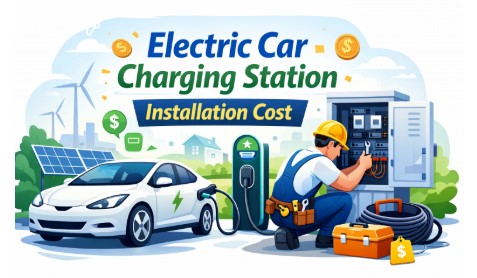
Understanding the Real Electric car charging station installation cost in 2026
|
Getting your Trinity Audio player ready...
|
Understanding the Real Costs of Installing an Electric Car Charging Station in 2026
The shift toward electric vehicles is happening faster than most people expected, and honestly, it is exciting. If you are thinking about making the switch or you have already taken the plunge, one of the first real-world questions that pops up is about charging. Where do you plug in? How much will it cost? The electric car charging station installation cost is not just one number, it changes based on your home setup, location, and what kind of charging speed you need. Some folks spend under a thousand dollars, while others might invest several thousand.
Whether you’re a homeowner who wants the convenience of charging overnight in your garage or a business owner looking at commercial options, understanding what drives these costs helps you plan better. This guide walks you through everything from basic equipment prices to installation complexities, so you know exactly what to expect.
Key Takeaways
- Most homeowners spend between $800 and $2,000 for a complete Level 2 home charging setup.
- Business charging stations run anywhere from $4,000 up to $50,000 depending on speed and capacity.
- Your existing electrical system plays a huge role, upgrades can add thousands to the bill.
- The money you save on gas typically pays back your installation within a few years.
- Knowing how these systems actually work makes choosing the right one much easier.
Free PDF Download Electric car charging station installation cost
ev_charging_cost_summaryWhat Makes Up the Electric Car Charging Station Installation Cost
When you start looking at the electric car charging station installation cost, you’ll quickly realize it’s not just about buying a box and mounting it on your wall. There’s actually quite a bit that goes into the final price. You’ve got the charging unit itself, labor for installation, electrical work that needs to happen behind the scenes, permits from your local building department, and sometimes upgrades to your home’s electrical panel. For most people installing a basic Level 2 charger at home, the unit costs somewhere between $300 and $700. But here’s where it gets interesting—the installation work can add another $300 to $1,800 depending on what your home’s electrical system looks like right now.
The distance from your electrical panel to where you park matters way more than you’d think. If your garage sits on the opposite side of the house from your main electrical panel, running all that wiring gets expensive fast. Older homes sometimes need their electrical panels upgraded to handle the extra load from a charging station. That panel upgrade alone can tack on $1,000 to $3,000 to your project budget. These costs aren’t necessarily deal-breakers, but they’re definitely things you want to know about before you get too far into planning.

How Does an Electric Car Charging Station Work
Understanding how these systems operate actually helps you see what you’re investing in. So here’s the basics: an electric car charging station works by taking the AC power from your home or business electrical system and converting it into DC power that your car’s battery can actually store. Think of the charging station as a smart translator between your home’s electricity and your car’s needs. It talks to your vehicle’s computer the whole time it’s charging, making sure electricity flows safely and at the right rate. This back-and-forth communication prevents overcharging and keeps an eye on temperature to protect both your car and the charging equipment.
Most home chargers hook up to a 240-volt circuit, the same kind of power your clothes dryer or electric oven uses. When you plug your car in, the charging station runs through several safety checks before any electricity starts flowing. The smarter chargers these days can even connect to your home WiFi, which lets you check charging status from your phone, schedule charging for when electricity rates are cheaper at night, and work alongside solar panels if you’ve got them.
Breaking Down the Cost of Installing Electric Car Charging Station at Home
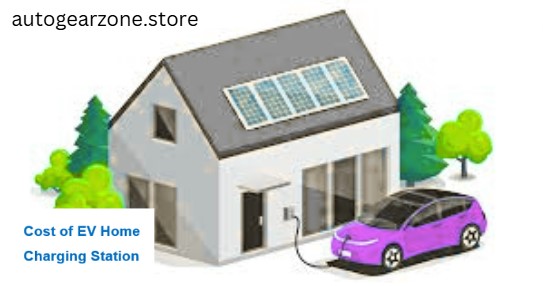
For most homeowners, a Level 2 charging station hits that sweet spot where you get decent charging speed without breaking the bank. The cost of installing electric car charging station equipment at home really depends on whether your electrical system needs upgrades. If your panel has room for another circuit and it’s sitting pretty close to where you’ll park, you might get away with spending around $1,200 total for everything—equipment plus installation. But homes that need panel upgrades or have garages far from the main panel can see that number climb to $3,500 or even higher.
The actual work usually takes anywhere from three to eight hours for a straightforward job. A licensed electrician will install a dedicated 240-volt circuit, mount your charging station securely, and make sure everything meets your local electrical codes. Most places require permits for this kind of electrical work, which adds another $50 to $500 to your costs depending on where you live. Don’t try to skip the permit to save a few bucks. Unpermitted electrical work creates real safety risks and can come back to bite you when you try to sell your house down the road.
Cost to Install Level 2 Charger at Home
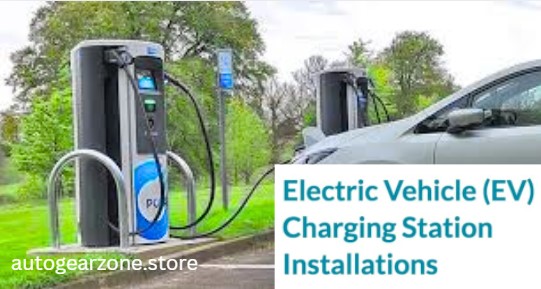
Installing a Level 2 charger at home gives you something pretty great, waking up every morning to a fully charged car. The cost to install level 2 charger at home usually runs between $800 and $2,000 when you count everything. That includes buying the charging unit, getting a dedicated 240-volt circuit installed, mounting it properly, and having a licensed electrician do the work. Here’s a nice bonus: some utility companies offer rebates that can knock $200 to $1,000 off your out-of-pocket costs.
The charging speed you get from a Level 2 setup at home adds roughly 25 to 30 miles of range for every hour it’s plugged in. For most people’s daily driving, plugging in when you get home means you’ve got plenty of charge for tomorrow. If you’re someone who drives longer distances regularly, you might want to look at a charger with higher amperage. Just keep in mind that more amperage means thicker wiring, which bumps up the installation cost a bit.
What Powers Electric Car Charging Stations in Different Settings
The power source changes quite a bit depending on where the charging station is located. At home, your charging station pulls power from your existing electrical service through your main panel. Most home installations use single-phase 240-volt power, pulling somewhere between 30 and 50 amps depending on what charger you buy. It’s the same type of power running your big appliances, which makes adding capacity relatively straightforward if your panel can handle it.
What powers electric car charging stations in commercial and public spots gets more complicated. Commercial setups typically use three-phase power, which moves electricity more efficiently when you need higher volumes. Fast charging stations, especially those DC fast chargers you see along highways, need dedicated transformers and serious electrical service upgrades. We’re talking stations that can pull hundreds of kilowatts—that’s electrical infrastructure similar to what you’d find powering a small factory.
How Much Does a Commercial EV Charging Station Cost
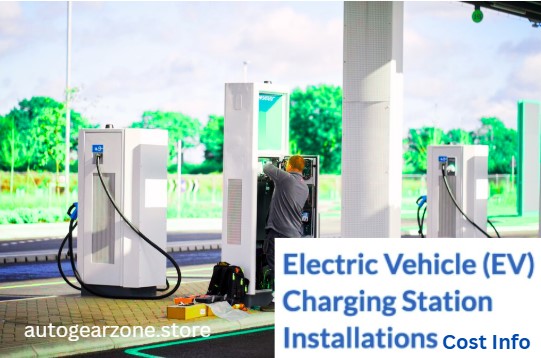
Business owners looking at EV charging deal with different numbers than homeowners. How much does a commercial ev charging station cost really depends on how fast you want to charge and how many charging spots you’re installing. A basic Level 2 commercial station might run $4,000 to $8,000 per charging port when you include equipment and installation. Most businesses install several charging points at once, and there’s some cost savings when you do multiple units together.
DC fast charging stations are a whole different ballgame. A single unit can cost anywhere from $30,000 to $150,000 or more. These need serious electrical infrastructure, often requiring the utility company to get involved to provide enough power. The installation costs can actually match or exceed what you paid for the equipment itself when you factor in trenching for underground lines, transformer installation, and all the utility upgrades. Some businesses get creative with financing through partnerships with charging networks, or they grab commercial incentives that can cover 30% to 50% of the total project.
Level 3 Charging Station Installation Cost
Level 3 charging stations, which people also call DC fast chargers, sit at the high end of everything we’ve been talking about. The level 3 charging station installation cost starts around $30,000 and can blow past $100,000 for the really powerful units that can deliver 150 kilowatts or more. These installations need three-phase power and almost always require utility service upgrades that can add tens of thousands more to what you’re spending.
Here’s why people pay these prices though, the speed is incredible. These stations can add 100 to 200 miles of range in just 20 to 30 minutes, making them perfect for highway rest stops, fleet operations, or busy commercial spots where cars need to charge and go quickly. For residential use though, Level 3 almost never makes sense financially. The cost is just too high, plus the electrical demands typically exceed what a normal house can even provide.
Are Charging Stations Free for Electric Cars
A lot of new EV owners wonder if public charging costs money or if it’s free. The answer changes depending on where you are and which charging network you’re using. Are charging stations free for electric cars? Sometimes they are, but it’s getting less common these days. Some businesses still offer free Level 2 charging as a perk at shopping centers, hotels, or restaurants where they want to attract customers. Most public charging stations now charge fees though, either based on how much energy you use, how long you’re connected, or a combination of both.
You can still find free charging here and there, especially at workplaces that offer it as an employee benefit and certain retail locations trying to get people through the door. The overall trend is moving toward paid charging though, as EV adoption grows and charging networks need to cover their operating costs. Many charging networks have subscription plans that lower the cost per session if you use them a lot, which can be worth it if you depend heavily on public charging.
How Much to Charge an Electric Car at a Charging Station
Public charging costs bounce around quite a bit based on how fast you’re charging and where you are. How much to charge an electric car at a charging station depends on whether you’re using Level 2 or DC fast charging, plus your location makes a difference too. Level 2 public chargers usually cost between $1 and $5 per hour, or about $0.10 to $0.30 per kilowatt-hour if they charge by energy used. A typical charging session that adds 150 miles of range might run you $5 to $15 at these stations.
DC fast charging costs more because of the speed and the infrastructure needed to support it. You’re looking at $0.25 to $0.60 per kilowatt-hour at most fast charging networks. Some stations charge by the minute instead of by energy, with rates around $0.25 to $0.50 per minute. A quick charge session that adds 200 miles of range typically costs $15 to $35. That’s still cheaper than filling up with gas for most vehicles, but it’s definitely more expensive than charging at home.
How Much Does It Cost to Charge an Electric Car at a Tesla Charging Station
Tesla owners get access to the massive Supercharger network, and the pricing works pretty similarly to other DC fast charging networks. How much does it cost to charge an electric car at a tesla charging station changes based on where you are, what time of day you’re charging, and whether you’re driving a Tesla or another EV brand. Tesla owners usually pay somewhere between $0.25 and $0.50 per kilowatt-hour, with prices running higher in places like California where electricity costs more and lower in regions with cheaper power.
Tesla has started opening some Supercharger locations to non-Tesla EVs, though those drivers pay a bit more. A typical Supercharger session that takes your battery from low to about 70% or 80% full costs between $15 and $30 for most Tesla models. The company uses what they call dynamic pricing that adjusts rates based on how busy the station is, which encourages people to charge during quieter times when possible.
How Much Does It Cost to Charge an Electric Car at a Supercharger Station
Beyond Tesla’s network, there are other supercharger-style stations running on different pricing setups. How much does it cost to charge an electric car at a supercharger station depends on which network you’re using and where you are. Electrify America, one of the bigger networks out there, charges $0.36 to $0.48 per kilowatt-hour if you’re not a member. They offer subscription plans though that bring costs down to around $0.28 to $0.36 per kWh if you pay a monthly fee.
ChargePoint, EVgo, and other networks all have their own ways of pricing, often with membership tiers that save money if you charge frequently. A rough ballpark estimate for fast charging across most networks is about $121 for roughly 700 to 900 miles of driving, though this bounces around significantly based on how efficient your car is and your charging habits. Some stations also charge time-based fees if you stay connected after charging finishes, which is their way of encouraging people to move their cars once they’re done.
How Much to Charge an Electric Car at Home Per Month
Home charging offers the most wallet-friendly option for most EV owners. How much to charge an electric car at home per month really comes down to your local electricity rates and how much you drive. The average American drives roughly 1,000 miles each month. An efficient electric vehicle that gets about 3 miles per kilowatt-hour needs around 333 kWh monthly. At the national average electricity rate of $0.14 per kWh, you’re looking at about $47 per month.
Your actual costs will be different based on what your utility charges. A lot of utilities offer time-of-use rates with cheaper electricity at night specifically designed for EV charging. These rates can drop as low as $0.08 to $0.10 per kWh during off-peak hours, potentially bringing your monthly charging costs down to $27 to $33 for that same 1,000 miles. Getting a smart charger that automatically charges during these cheaper periods maximizes your savings without you having to think about when to plug in.
Do You Have to Pay to Charge Your Electric Car at a Charging Station
Whether charging always costs money really depends on where you’re plugging in. Do you have to pay to charge your electric car at a charging station? Not always, but the free options have definitely become harder to find. Workplace charging programs still frequently offer free charging as an employee benefit, and some cities provide free public charging as part of their sustainability efforts.
Some retail stores offer free Level 2 charging to bring in customers who’ll shop while their car charges. This arrangement works out for businesses because the relatively slow Level 2 charging means people stick around longer. Free charging at highway fast charging stations has pretty much disappeared though. The high electricity costs and infrastructure investment needed for fast charging make free service basically impossible for most operators to sustain.
Table: Charging Station Cost Comparison
| Charging Level | Equipment Cost | Installation Cost | Total Home Cost | Total Commercial Cost | Charging Speed |
|---|---|---|---|---|---|
| Level 1 (120V) | $0 – $50 | $0 – $100 | $0 – $150 | Not Applicable | 3-5 miles/hour |
| Level 2 (240V) | $300 – $700 | $300 – $1,800 | $800 – $2,000 | $4,000 – $8,000/port | 25-30 miles/hour |
| Level 3 (DC Fast) | $30,000 – $100,000+ | $20,000 – $80,000+ | Not Practical | $50,000 – $180,000+ | 100-200 miles/20-30 min |
Factors That Influence Your Installation Cost
Several things affect your final electric car charging station installation cost beyond just the price tag on the equipment. Your home’s electrical panel capacity plays a huge role. If your current panel is running close to full capacity, upgrading to a 200-amp or larger service adds $1,500 to $3,000 to what you’ll spend. The age and condition of your electrical system matters too. Older homes sometimes need extra safety upgrades to meet today’s codes.
Where you live makes a noticeable difference in costs. Urban areas with higher labor rates see installation costs that run 20% to 40% higher than rural areas. Local permit fees and inspection requirements are all over the map, from $50 in some places to $500 or more in others. How complicated your installation site is factors in as well. A detached garage that needs underground conduit runs costs quite a bit more than a simple wall-mount installation right next to your electrical panel.
Quick Tip
Try to schedule your installation during spring or fall when electricians aren’t swamped. You might negotiate better rates and get on the schedule faster compared to the peak summer or winter months when electrical contractors are dealing with tons of HVAC work.
Getting the Most Value From Your Charging Station Investment
Smart planning helps you squeeze the most value out of your charging station installation. Look into available incentives before you start the project. Federal tax credits, state rebates, and utility incentives can cut your out-of-pocket costs by 20% to 50% in a lot of cases. Some programs need pre-approval, so dig into your options before you buy equipment or book an electrician.
Think about what you might need down the road when sizing your installation. If there’s a chance you’ll add a second EV in the next few years, installing enough electrical capacity now costs way less than upgrading again later. A charging station with higher amperage than you currently need gives you faster charging if you switch to a car with a bigger battery. The extra cost for future-proofing your installation typically runs just $200 to $400, but it saves you significant money compared to doing a second installation project.
Expert Tip
Always go with a licensed electrician who’s actually done EV charging installations before. The specialized knowledge they bring makes sure your load calculations are right, circuit protection is appropriate, and everything’s code-compliant so it passes inspection the first time. Check their references and make sure they’ve successfully completed several charging station installations.
Electric Vehicle Charging Station Design & Planning Guide
Considerate the true cost of installing an Electric Vehicle ( EV ) charging station in 2026 goes beyond just looking at equipment prices. How you plan and design your setup plays a huge role in what you will actually spend. A thoughtful electric vehicle charging station design means placing your charger where it makes sense, somewhere convenient and safe that will work for years to come, whether that’s your home garage, an apartment building, or a business parking lot. Skip the planning stage, and you might end up paying for extra wiring, electrical panel upgrades, or even moving the charger later.
This is exactly why having solid electric vehicle charging station plans upfront matters. They help you figure out your electrical needs, plan for adding more chargers down the road, meet local building codes, and set realistic timelines. Taking time to plan also lets you compare your options, catch potential hidden costs, and set up a system that runs efficiently from day one. In many situations, thoughtful design and careful planning actually lower your total costs while giving you better performance and fewer headaches.
As more people switch to electric vehicles, knowing how design and planning affect your bottom line helps you see what you are really investing in and make smarter choices for your charging setup in 2026 and beyond.
Questions and Answers About EV Charging Costs
How long does a typical home charging station installation take?
Most straightforward installations take somewhere between four and eight hours once your electrician shows up. The whole timeline from making the decision to having a finished installation usually spans two to four weeks though. You’ve got to get quotes, order the equipment, schedule a licensed electrician, pull permits, and arrange for inspections. If you need it done faster, rush installations are possible but they’ll typically run you 20% to 30% more in expedited fees.
Can I install a charging station myself to save money?
If you’re pretty handy, you can buy and mount the charging unit yourself. But the electrical connections absolutely need to be done by a licensed electrician in most places. We’re talking about high-voltage circuits that can be seriously dangerous if installed wrong. More importantly, DIY electrical work breaks most building codes, creates liability headaches, and might even void your homeowner’s insurance if something goes wrong.
Do I need a separate electrical panel for my EV charger?
Most homes don’t need a separate panel at all. A dedicated circuit from your existing panel works fine for the majority of Level 2 home charging setups. If your current panel doesn’t have enough capacity or available spots for more breakers though, a sub-panel installation might make sense. This is especially true if you’re planning other electrical upgrades anyway. Adding a sub-panel costs $500 to $1,500 more but gives you flexibility for future electrical needs.
Will installing a home charging station increase my property value?
Research suggests EV charging stations can add anywhere from $1,000 to $3,000 to home values in markets where lots of people drive EVs. How much value it adds really depends on where you live. In EV-friendly places like California, Colorado, or the Pacific Northwest, charging stations are something buyers actively look for. In areas where EV adoption is still pretty low, the impact on property value stays minimal for now, though that’ll probably change as electric vehicles become more mainstream.
Frequently Asked Questions
What’s the difference between hardwired and plug-in charging stations?
Hardwired chargers connect straight into your electrical system and mount permanently to your wall. Plug-in models use a dedicated 240-volt outlet like what your dryer uses, which gives you portability if you ever move. Hardwired setups usually cost $100 to $200 more upfront but they look cleaner and you don’t have an outlet as a potential weak point.
Can I charge two electric cars from one charging station?
Most home charging stations handle one car at a time. There are load-sharing systems though that let two charging stations share a single circuit by alternating or splitting power between your vehicles. These systems add about $300 to $700 to installation costs but save you from running a whole second dedicated circuit.
How much does electricity cost compared to gasoline?
Electric vehicles typically cost about one-third to one-half as much to fuel compared to gas cars. At $0.14 per kWh, driving an efficient EV 1,000 miles costs roughly $47. A similar gasoline car averaging 30 mpg would run you $100 to $130 for the same distance, depending on what gas prices are doing.
Do charging stations require maintenance?
Home charging stations need very little maintenance. Check your cables and connectors every few months for any damage, and keep the unit clean and dry. Most quality home chargers come with warranties covering three to five years. Commercial stations need more regular maintenance since they get heavier use and sit outside in the weather.
Can solar panels power my EV charging station?
Absolutely, solar panels can handle your charging needs. A typical EV driven 12,000 miles yearly needs about 4,000 kWh, which means you’d want a solar array producing 4 to 6 kilowatts depending on where you live. Solar installations run $2.50 to $3.50 per watt, so a system sized for EV charging costs $10,000 to $21,000 before incentives kick in. Add battery storage and you can charge from solar even after the sun goes down.
Making Your Charging Decision Work for Your Situation
Every EV owner faces their own unique set of circumstances that influence what charging solution makes the most sense. If you’re a homeowner with a garage and you drive moderate distances daily, a Level 2 home charger almost definitely makes financial sense. The convenience of home charging and the way lower energy costs compared to public charging create value that quickly pays back the initial electric car charging station installation cost.
Business owners looking at commercial charging deal with trickier calculations. Think carefully about what you’re trying to accomplish. Installing charging for your company’s fleet is a totally different situation than offering public charging as a customer perk or trying to make money from it. Fleet charging often makes sense because of fuel savings and how it streamlines operations. Public charging needs careful number-crunching on how much the stations will get used, what electricity costs, and whether you can actually generate revenue to determine if it’s financially viable.
Renters and people without dedicated parking spots face the toughest challenges. If you’ve got a regular parking spot and your property owner gives you the green light, a Level 2 installation might work. Otherwise, you’re looking at relying mainly on workplace and public charging. Do the math on whether the convenience costs of public charging fit your budget before you commit to EV ownership without being able to charge at home.
Final Thoughts on Planning Your Charging Installation
Getting a handle on the electric car charging station installation cost helps you budget properly and make smart decisions about what equipment to buy and how to approach the installation. For most homeowners, the investment pays itself back within two to three years just through fuel savings. Factor in how convenient it is, and the value gets even better. Take your time to get quotes from multiple licensed electricians, dig into what incentives are available, and think about sizing your installation with future needs in mind.
The shift to electric vehicles keeps picking up speed, and charging infrastructure keeps getting better along with it. Installation costs today will probably come down as equipment becomes more standardized and electricians get more comfortable with these projects. That said, waiting means you’re missing out on the fuel savings and convenience you’d enjoy with home charging right now. If you already own an electric vehicle or you’re planning to buy one soon, moving forward with a charging station installation makes both practical and financial sense for most people.