
Understanding Electric Car Charging Station Signs : Your Complete Guide to EV Charging Symbols
|
Getting your Trinity Audio player ready...
|
Understanding Electric Car Charging Station Signs : Your Complete Guide to EV Charging Symbols
As electric vehicles continue to reshape our roads and cities, understanding electric car charging station signs has become essential for both EV owners and property managers. These signs serve as visual guides that help drivers locate charging points, understand parking restrictions, and identify the type of charging available. Whether you’re navigating a busy shopping center or planning infrastructure for your business, knowing how to read and implement these signs makes the entire charging experience smoother and more efficient. The standardization of electric car charging station signs across different regions ensures that drivers can confidently find and use charging facilities wherever their journey takes them.
Key Takeaways
- Electric car charging station signs use universal symbols that help drivers quickly identify charging locations.
- Proper signage improves traffic flow and reduces confusion at charging facilities.
- Different sign types indicate various charging speeds and accessibility features.
- Understanding these signs saves time and prevents parking violations.
- Standardized symbols make EV charging accessible across different countries and regions.
Free PDF Download:
Electric_Car_Charging_Station_SignsWhat Are Electric Car Charging Station Signs
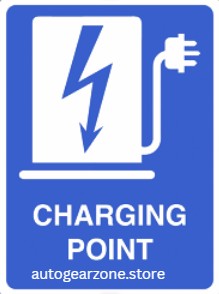
Electric car charging station signs are specialized markers designed to identify locations where electric vehicles can recharge their batteries. These signs typically feature a distinctive plug symbol or a vehicle with a charging cable, often displayed in green or blue colors to stand out from regular parking signs. The primary purpose of these signs is to guide EV drivers to available charging points while communicating important information about accessibility, charging speed, and parking rules. Many jurisdictions now require businesses and public spaces to install clear signage when they offer EV charging facilities, making it easier for drivers to plan their charging stops.
The design of these signs varies slightly by region, but most follow international standards that make them recognizable worldwide. You’ll often see them mounted on poles near charging stations or painted directly on parking spaces. The visual consistency helps create a seamless experience for EV drivers, regardless of where they’re traveling. As electric vehicle adoption grows, these signs have become as common as traditional gas station markers along highways and in urban areas.
The Evolution of Electric Vehicle Sign Standards
The development of standardized electric car charging station signs reflects the rapid growth of the EV industry over the past decade. Early charging stations often used inconsistent symbols and colors, creating confusion for drivers unfamiliar with specific networks or locations. Recognizing this challenge, transportation authorities and industry groups collaborated to establish universal design guidelines that would work across different countries and charging networks. This standardization effort ensures that a driver from California can easily identify a charging station in London or Sydney without any confusion.
Today’s standardized signs incorporate elements that communicate multiple pieces of information at once. The basic charging symbol has been refined to be instantly recognizable, while additional icons or text indicate whether a spot is reserved for electric vehicles only, what type of connector is available, or if the space is designated for accessible parking. This evolution continues as new charging technologies emerge, with sign designs adapting to include fast-charging indicators and power level information that helps drivers make informed decisions about where to charge.
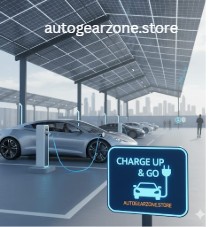
Types of Electric Car Charging Station Signs
Directional Wayfinding Signs
Directional signs help drivers navigate to charging locations from main roads or parking lot entrances. These electric car charging station signs feature arrows pointing toward the charging area, often combined with distance information. In larger facilities like shopping malls or airports, you might encounter multiple directional signs that guide you through complex parking structures to reach the charging bays. Effective directional signage reduces driver frustration and improves traffic flow by preventing unnecessary circling or backtracking.
Parking Space Designation Signs
These signs mark individual parking spaces equipped with charging equipment and typically mount on walls or posts adjacent to the charging station itself. A well-designed parking designation sign clearly indicates that the space is reserved exclusively for electric vehicles during charging sessions. Many include additional information such as maximum parking duration, pricing details, or penalties for non-EV vehicles occupying the space. The text on these electric car charging station signs often uses clear, bold fonts that remain readable from a distance or in low-light conditions. Some locations use bright colors or reflective materials to make the signs stand out day and night.
Accessible EV Charging Signs
Accessible electric vehicle charging signs combine the standard charging symbol with the international accessibility icon, indicating spaces designed for drivers with disabilities. These signs follow specific regulations regarding height, placement, and design to ensure compliance with accessibility laws. The ev parking symbol cad accessible designs often include additional space markings and clear paths to accommodate wheelchairs and mobility devices during the charging process. As charging networks expand, ensuring adequate accessible charging options with proper signage has become a priority for both public and private facility operators.
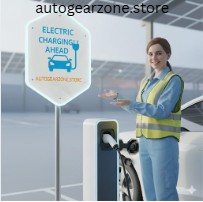
Common Symbols Used on Electric Vehicle Signs
The Universal Charging Plug Symbol
The most recognized element on electric car charging station signs is the stylized plug and socket symbol. This icon typically shows a circular or J-shaped plug approaching or connected to a socket, sometimes with small lines indicating electrical current. The simplicity of this symbol makes it instantly understandable across language barriers and cultural contexts. Many designers have refined this symbol over the years, but the basic concept remains consistent enough that drivers worldwide recognize it immediately.
Some variations of the plug symbol incorporate a lightning bolt to emphasize the electrical nature of the service or show a simplified vehicle outline with a charging cable attached. These adaptations help reinforce the message while maintaining the core visual language that drivers have come to expect. The electric car charging symbol dwg files used by architects and planners typically include these standardized versions to ensure consistency across new developments and retrofitted facilities.
Dashboard and Interface Symbols
Beyond external signage, electric car dashboard symbols play a crucial role in the charging experience by communicating vehicle status to the driver. These dashboard indicators show battery level, charging progress, and any issues with the charging connection. Common dashboard symbols include a plug with wavy lines indicating active charging, a battery with percentage indicators, and warning symbols for charging errors or incomplete connections. This dual-layer communication between external electric car charging station signs and internal dashboard symbols ensures drivers feel confident about the charging process.
Quick Tip
Always verify local regulations before installing electric car charging station signs, as requirements vary significantly between jurisdictions. A quick consultation with your local building department can save costly corrections later.
Design Standards and Color Coding
The visual design of electric car charging station signs follows specific standards that prioritize visibility and quick recognition. Green and blue are the most common background colors, with green often indicating environmental friendliness and blue suggesting technology and innovation. White symbols on these colored backgrounds provide strong contrast that remains visible in various lighting conditions. Some jurisdictions mandate specific color schemes to maintain consistency across their region, while others allow more flexibility as long as basic visibility requirements are met.
Reflective materials and illumination features ensure that signs remain visible during nighttime hours when many drivers prefer to charge their vehicles. The size and proportions of symbols and text follow careful calculations based on viewing distance and angle. Professional designers use the electric car charging symbol dwg specifications to create signs that meet both aesthetic and functional requirements. The investment in proper design pays dividends through improved user experience and reduced confusion at charging facilities.
Regulatory Requirements and Compliance
Installing electric car charging station signs involves navigating various local, state, and federal regulations that govern everything from sign placement to symbol design. In the United States, the Manual on Uniform Traffic Control Devices provides guidance for publicly visible signs, while building codes address requirements for private property installations. These regulations ensure that signs meet minimum visibility standards and don’t create hazards or visual clutter. Property owners planning to install charging infrastructure should consult with local authorities early in the design process to ensure full compliance.
International standards also influence sign design, particularly for businesses operating in multiple countries or regions. The International Organization for Standardization has developed guidelines that many countries incorporate into their national regulations. Understanding these requirements helps create signage that works across borders and serves diverse user populations. The cost of compliance is relatively modest compared to the potential liability issues that can arise from inadequate or non-compliant signage, making it a worthwhile investment for any charging station operator.

Installing Effective Charging Station Signage
Strategic placement of electric car charging station signs dramatically impacts their effectiveness in guiding drivers to charging facilities. Signs should be visible from primary traffic lanes and positioned at decision points where drivers need to choose their direction. Height requirements typically range from seven to eight feet above ground level to prevent obstruction by parked vehicles while remaining in the driver’s line of sight. Corner placements work well for multi-directional visibility, particularly in parking lots with multiple entry points.
Lighting conditions throughout the day and night should influence placement decisions, with additional consideration for seasonal changes in sun angle and vegetation growth. Testing visibility from various approach angles during the planning phase helps identify potential issues before permanent installation. The goal is ensuring that any driver looking for charging facilities can easily spot the relevant signage without excessive searching or distraction from safe driving.
Cost Considerations for Sign Installation
Budgeting for electric car charging station signs involves several cost factors beyond the initial purchase price. Professional installation ensures proper placement and compliance with regulations but adds labor costs to the project. Basic signs might cost $151 or less per unit, while more elaborate directional systems or digital displays can run into thousands of dollars. Bulk purchases for multiple locations often qualify for volume discounts, making it more economical to standardize signage across an entire property or network of facilities.
Long-term costs include maintenance, potential replacement due to damage or regulatory changes, and electricity for illuminated or digital signs. Property owners should factor these ongoing expenses into their total cost of ownership calculations when planning charging infrastructure. Despite these costs, proper signage often pays for itself through improved facility utilization, reduced customer service inquiries, and enhanced property value. Many jurisdictions offer grants or incentives for installing EV charging infrastructure, which may cover signage costs as part of the overall project budget.
Expert Tip
When designing your charging facility, position signs so they’re visible from the areas where drivers typically scan for parking options. Eye-tracking studies show drivers look up and slightly right when searching for parking, making this the ideal zone for primary signage placement.
Understanding Charging Station Sign Components
| Component | Purpose | Standard Colors | Typical Size |
|---|---|---|---|
| Main Charging Symbol | Identifies EV charging location | Green or Blue background, White symbol | 12-18 inches |
| Directional Arrows | Guides drivers to charging area | Green or Blue with White arrows | 24-36 inches |
| Text Information | Provides rules and restrictions | Black text on White background | Varies by content |
| Accessibility Icon | Marks accessible charging spaces | Blue background, White symbol | 12 inches minimum |
| Time Restrictions | Communicates parking duration limits | Red or Orange for emphasis | 8-12 inches |
Frequently Asked Questions
What is the standard symbol used for electric car charging stations?
The standard symbol features a plug and socket or a vehicle with a charging cable, typically displayed on a green or blue background. This universal design ensures recognition across different countries and charging networks, making it easy for EV drivers to identify charging facilities wherever they travel.
Do I need special permits to install EV charging signs?
Permit requirements depend on your location and whether the signs will be on public or private property. Most jurisdictions require permits for signs visible from public roads or those mounted on buildings. Check with your local building department and transportation authority to understand specific requirements before installation.
How much does it cost to install electric car charging station signs?
Basic directional and parking signs typically cost between $151 and $500 per sign, including materials and basic installation. More elaborate systems with digital displays or specialized mounting requirements can cost several thousand dollars. Professional installation adds to the cost but ensures compliance with regulations.
Can I make my own EV charging signs?
While you can create custom signs, they must comply with local regulations regarding size, color, symbols, and placement. Using the electric car charging symbol dwg files ensures your design meets standardized requirements. However, professionally manufactured signs typically offer better durability and weather resistance than DIY alternatives.
How often should EV charging signs be replaced?
Quality signs made from durable materials can last 7-10 years or longer with proper maintenance. However, you should replace signs showing significant fading, damage, or wear that affects visibility. Regular inspections every 6-12 months help identify signs needing replacement before they become ineffective.
Wrapping Up Your Charging Station Signage Strategy
Creating an effective signage strategy for electric car charging facilities involves thoughtful planning that considers user needs, regulatory compliance, and long-term operational goals. The right combination of directional, informational, and regulatory signs creates a seamless experience that encourages repeat use and positive word-of-mouth recommendations.
Remember that your electric car charging station signs represent more than just wayfinding tools they communicate your commitment to supporting sustainable transportation and serving the needs of a growing EV driver community. By investing in quality signage that combines clear communication with durable construction, you create infrastructure that serves users reliably while requiring minimal maintenance. As electric vehicle adoption continues its rapid growth, well-designed charging facilities with excellent signage will increasingly become competitive advantages for forward-thinking property owners and businesses.