Electric Car With Diesel Engine : How Diesel-Electric Systems Really Work and Why They Matter Today
|
Getting your Trinity Audio player ready...
|
Electric Car With Diesel Engine : How Diesel-Electric Systems Really Work and Why They Matter Today
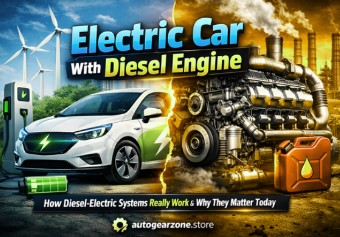
Electric vehicles are often discussed as the opposite of diesel cars, which leads many people to ask a surprisingly common question: is there an electric car with diesel engine? At first, the idea sounds contradictory. Electric cars are linked with batteries and charging cables, while diesel engines are associated with fuel pumps and exhaust pipes. Yet, in reality, automotive technology is not always so black and white. There are systems where electricity and diesel work together in practical ways, even if they are not common in everyday passenger cars.
Understanding this topic matters because it clears confusion, helps buyers make informed decisions, and explains why certain technologies succeed while others remain niche. This article breaks the concept down in simple terms, without marketing hype, and explains where diesel-electric ideas fit into today’s automotive world.
Key Takeaway
- Electric cars do not normally use diesel as a primary fuel.
- Diesel-electric systems already exist in transport sectors.
- Passenger cars face challenges with diesel-electric designs.
- Emissions rules strongly influence technology choices.
- The future favors simpler, cleaner electric systems.
Free PDF Download:
diesel_electric_systemsUnderstanding the Basics: Electric, Diesel, and Hybrid Systems
How Electric Cars Actually Work
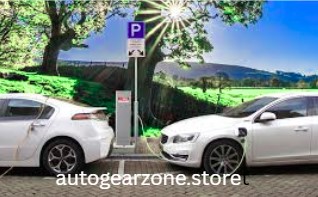
Electric cars are powered by one or more electric motors that draw energy from a battery pack. This battery is charged using external electricity, either at home or through public charging stations. There is no internal combustion taking place inside the vehicle. Because of this, electric cars are quiet, smooth, and produce no exhaust emissions while driving.
The simplicity of an electric drivetrain is one of its biggest strengths. Fewer moving parts mean lower maintenance over time. When people ask about an electric car with diesel engine, they are often trying to understand whether electricity can be generated onboard instead of coming only from charging cables.
What Diesel Engines Are Designed For
Diesel engines work by compressing air until it becomes hot enough to ignite diesel fuel. This process is highly efficient, especially for heavy loads and long-distance driving. That is why diesel engines are commonly found in trucks, buses, ships, and industrial machinery.
Diesel engines excel at steady, consistent workloads. However, they are heavier, noisier, and produce more emissions than electric motors. Modern regulations have also made diesel engines more complex and expensive to maintain, which affects their use in smaller passenger vehicles.
What Is a Diesel Electric Engine?
Simple Explanation Without Engineering Jargon
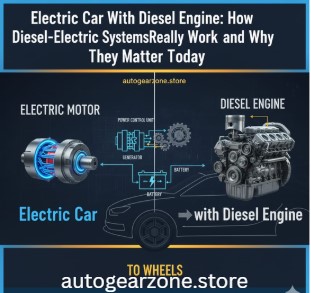
A diesel electric engine is a system where a diesel engine does not directly drive the wheels. Instead, the diesel engine powers a generator, which produces electricity. That electricity then runs electric motors connected to the wheels. In simple terms, diesel creates electricity, and electricity moves the vehicle.
This setup is different from a traditional hybrid car. In a diesel-electric system, mechanical connections are minimal or absent. The vehicle behaves like an electric vehicle, but its electricity comes from diesel fuel rather than a charging station.
Where Diesel-Electric Systems Are Already Used
Diesel-electric technology is widely used in trains, submarines, and large ships. In these applications, efficiency under heavy load is more important than compact size. Trains benefit greatly from electric motors, which provide strong torque from a standstill, while diesel engines supply continuous power over long distances.
These use cases help explain why diesel-electric systems work well in industrial transport but struggle to fit neatly into small passenger cars.
Is There an Electric Car With Diesel Engine?
Why Passenger Cars Rarely Use Diesel-Electric Systems
Technically speaking, an electric car with diesel engine can exist, but it is rare in the consumer market. Passenger cars must balance weight, cost, emissions, and interior space. Adding both a diesel engine and an electric drivetrain increases complexity and reduces efficiency for everyday driving.
Modern battery technology has improved enough that most drivers no longer need onboard fuel generators. Charging infrastructure is also expanding globally, making pure electric cars more practical for daily use.
Experimental and Concept Vehicles Explained
Over the years, a few manufacturers and engineering firms have tested diesel-electric car concepts. These were often aimed at extending range in remote areas or reducing fuel consumption. However, most projects never reached mass production.
High costs, strict emissions standards, and limited consumer demand have kept these vehicles from becoming mainstream, even though the technology itself is proven.
Do Electric Cars Use Diesel Fuel?
Clear and Direct Answer for Everyday Drivers
The short answer is no. Standard electric cars do not use diesel fuel at all. They rely entirely on electricity stored in batteries. When people ask, “do electric cars use diesel,” they are often confusing electric vehicles with hybrids or generator-based systems.
A true electric car has no fuel tank, no exhaust, and no combustion engine. Diesel simply does not play a role in its operation.
The Role of Diesel in Range-Extender Systems
Some vehicles use small engines as range extenders. These engines generate electricity when the battery runs low. In theory, a diesel engine could be used for this purpose, but most manufacturers prefer gasoline engines because they are lighter and easier to certify under emissions laws.
This distinction helps explain why diesel rarely appears in electric passenger vehicles, even in supporting roles.
Diesel-Electric vs Battery Electric vs Hybrid
| Feature | Diesel-Electric | Battery Electric | Hybrid |
|---|---|---|---|
| Energy Source | Diesel fuel generates electricity | External electricity | Fuel and electricity |
| Emissions | Moderate | Very low | Moderate |
| Mechanical Complexity | High | Low | Medium |
| Maintenance Needs | Higher | Lower | Medium |
Diesel-electric systems are powerful but complex. Battery electric vehicles are simpler and cleaner for daily use. Hybrids sit in between, offering flexibility but still relying on combustion engines.
For most drivers, battery electric cars offer the best balance of simplicity, cost control, and environmental benefits.
Are Electric Cars Better Than Diesel Vehicles?
Environmental Perspective
From an environmental standpoint, electric cars generally perform better than diesel vehicles. They produce zero tailpipe emissions and can run on renewable energy sources. Diesel engines, even with modern filters, still release pollutants that affect air quality.
When considering whether electric cars are better than diesel, the answer depends on how electricity is generated. Even in regions using fossil fuels, electric vehicles tend to have lower overall emissions over their lifetime.
Cost, Maintenance, and Daily Use
Electric cars usually cost less to maintain because they have fewer parts that wear out. There is no oil to change, no exhaust system to repair, and fewer fluids to monitor. While purchase prices can be higher, operating costs are often lower over time.
A diesel car may still make sense for heavy towing or long-distance hauling, but for everyday driving, electric options continue to gain advantages.
Why Automakers Avoid Diesel-Electric Cars
Emissions Regulations and Compliance Costs
One major reason why there are no diesel electric cars in mass production is regulation. Diesel engines face strict emissions standards, especially in Europe and North America. Meeting these standards adds cost and complexity.
Combining diesel engines with electric systems does not eliminate these challenges. Instead, it often makes certification harder and more expensive for manufacturers.
Market Demand and Charging Infrastructure
Consumer demand has shifted toward simpler electric vehicles. Governments are investing heavily in charging infrastructure, making pure electric cars more convenient each year.
From a business perspective, automakers focus on technologies that scale easily. Diesel-electric passenger cars do not currently meet that requirement.
Could Diesel-Electric Cars Make a Comeback?
Potential Use Cases in Specific Regions
In remote areas with limited charging access, a diesel-electric system could still offer value. Vehicles operating in mining, construction, or rural transport may benefit from onboard electricity generation.
However, these are specialized applications rather than mainstream consumer needs.
Future Technologies and Cleaner Fuels
Advances in synthetic fuels and cleaner diesel alternatives could reopen discussions around diesel-electric systems. Still, battery improvements and renewable energy integration are moving faster.
Most experts expect future innovation to focus on lighter batteries, faster charging, and smarter energy management instead.
Quick Tip
If your main concern is range anxiety, modern electric cars with fast-charging support are often more practical than complex diesel-electric setups.
Expert Tip
From an engineering viewpoint, diesel-electric systems shine under constant heavy loads, not the stop-and-go driving patterns of most passenger cars.
Real-World Insight: Cost and Ownership Perspective
For many drivers, ownership costs matter more than technical curiosity. When comparing systems, fuel, maintenance, and long-term reliability all play a role. A diesel-electric setup may look efficient on paper, but real-world expenses can add up quickly. For example, maintaining advanced diesel emissions systems can easily exceed $121 in a single service visit.
Electric cars avoid many of these hidden costs, which explains their growing popularity among everyday drivers.
Common Questions and Clear Answers
Can a diesel generator charge an electric car?
Yes, a diesel generator can technically charge an electric car, but it is inefficient and mainly used in emergencies or off-grid locations.
Are diesel-electric cars legal worldwide?
There is no global ban, but emissions regulations make approval difficult in many regions.
Do diesel-electric vehicles save fuel?
They can be efficient under heavy loads, but not necessarily in city driving.
Why are diesel engines heavier than electric systems?
Diesel engines require stronger components to handle high compression, which adds weight.
Can diesel-electric reduce range anxiety?
It can, but at the cost of added complexity and emissions.
Frequently Asked Questions
What is a diesel electric engine used for today?
Mostly trains, ships, and industrial vehicles where efficiency under load matters.
Do electric cars use diesel at any point?
No, true electric cars rely solely on stored electricity.
Why are there no diesel electric cars for consumers?
Cost, emissions laws, and limited demand make them impractical.
Are hybrids better than diesel-electric cars?
For passenger vehicles, hybrids are simpler and easier to maintain.
Final Thoughts for Curious Drivers
The idea of an electric car with diesel engine is not as strange as it first appears, but it belongs more to industrial transport than daily commuting. Diesel-electric systems are proven, reliable, and powerful, yet they struggle to fit modern passenger car needs. As charging networks expand and battery technology improves, the appeal of pure electric vehicles continues to grow.
For most drivers today, understanding these differences helps cut through confusion and supports smarter decisions. Diesel-electric technology remains relevant, just not where many people expect it.