


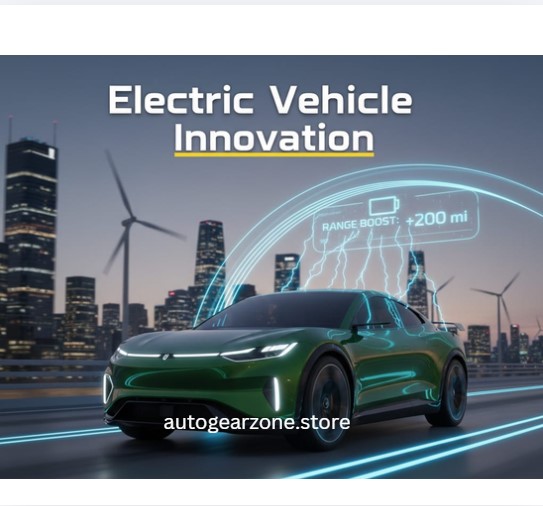
Electric Car with Gas Generator | The Smart Bridge Between EVs and Traditional Vehicles
Range anxiety keeps many drivers away from electric vehicles. What if you could enjoy the benefits of electric driving without worrying about finding a charging station? That is where electric cars with gas generators come in. These vehicles combine electric motors with small gas-powered generators, giving you the efficiency of an EV with the convenience of extended range. Whether you are considering an electric truck with gas generator or exploring Chinese electric car with generator options, this technology offers a practical solution for drivers who want to go electric without compromise.
Key Takeaways
- Electric cars with gas generators use a small engine to recharge the battery while driving.
- These vehicles deliver 30 to 50 miles of pure electric range before the generator kicks in.
- EREV technology eliminates range anxiety while maintaining lower emissions than traditional cars.
- You can charge the battery at home or on the road using the onboard generator.
- Options range from affordable models around $121 per month to premium electric trucks.
Free PDF Download: Electric Car with Gas Generator
electric-car-gas-generatorWhat Is an Electric Car with Gas Generator?
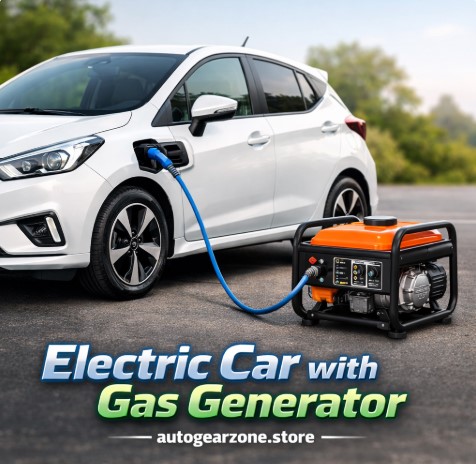
An electric car with gas generator runs primarily on battery power but includes a small gasoline engine that works as a backup generator. The wheels are always driven by electric motors. The gas engine never directly powers the vehicle. Instead, it generates electricity to recharge the battery when needed.
This setup differs from plug-in hybrids where the gas engine can directly drive the wheels. Here, the combustion engine acts as a mobile power plant. You drive on pure electric power most of the time. When the battery drops below a certain level, the generator turns on automatically to extend your range. Think of it as carrying your own portable generator for ev car wherever you go.
Quick Tip : Keep your gas tank at least half full during winter months. This prevents condensation in the fuel system. Gas can degrade over time if the tank sits for months. Consider using fuel stabilizer if you rarely need the generator.
Understanding EREV Technology
EREV stands for Extended Range Electric Vehicle. This technology represents a middle ground between traditional cars and pure electric vehicles. An EREV vehicle functions as a full electric car for daily commuting while offering gas-powered backup for longer trips.
The concept is straightforward. You charge the battery at home overnight just like any electric car. For short trips under 40 or 50 miles, you never use gasoline at all. When you need to travel farther, the small gas generator kicks in to produce electricity. This keeps the battery charged enough to power the motors. The result is a vehicle that drives like an electric car but doesn’t leave you stranded when the battery runs low.

How the System Works
The gas generator in these vehicles is typically a small three-cylinder engine. It is much smaller than engines in conventional cars because it only needs to generate electricity, not move the vehicle directly. The generator runs at its most efficient speed regardless of how fast you are driving. This efficiency means better fuel economy when you do use gas.
The system monitors your battery level constantly. Most vehicles let the battery drop to around 20 or 30 percent before starting the generator. Once running, the generator produces enough electricity to maintain that battery level. On highway trips, it might run continuously. In stop-and-go traffic, it cycles on and off as needed. The transition is smooth enough that many drivers barely notice when the generator starts.
Best EV with Gas Generator Options
Several manufacturers offer strong contenders in this category. The Chevrolet Volt pioneered the concept for mainstream buyers before being discontinued. BMW i3 with the range extender option provided luxury buyers with EREV capability. The i3’s small gas tank added about 80 miles of range to supplement its 100-mile electric range.
Currently, the BMW i3 REx remains popular in the used market. For new vehicles, options have become more limited in the United States. The Mazda MX-30 with rotary range extender is available in some markets. Chinese manufacturers have filled much of this space with newer offerings.
Electric Truck with Gas Generator
Pickup truck buyers have started seeing EREV options too. The concept makes particular sense for trucks since towing and hauling significantly reduce electric range. An electric truck with gas generator can maintain pulling power while using the generator to sustain battery charge under heavy loads.
Several Chinese manufacturers have introduced electric trucks with range extender systems. These vehicles deliver the torque and instant power of electric motors with the endurance needed for work applications. The generator ensures you can complete long hauls or reach remote work sites without range concerns. Starting prices for these trucks often begin around the cost of a conventional diesel truck.
Chinese Electric Car with Generator
Chinese automakers have embraced EREV technology aggressively. Companies like Li Auto have built their entire product line around extended-range electric vehicles. Their vehicles offer impressive electric range followed by generator backup that can add hundreds of miles.
The Li L9 provides over 100 miles of pure electric driving. With the gas tank full, total range exceeds 800 miles. The vehicle functions as a luxury electric SUV for daily use while offering road trip capability that rivals conventional cars. Interior quality and technology features compete with premium European brands. Chinese electric car with generator models often deliver more range and features for the money compared to Western alternatives.
Technology and Features
These Chinese EVREVs incorporate sophisticated energy management systems. The vehicles learn your driving patterns and optimize when to use battery versus generator power. Many include large touchscreens with advanced driver assistance features. Battery packs are typically larger than earlier EREV designs, providing 50 to 100 miles of electric-only range.
Manufacturing scale in China has driven down costs significantly. This makes EREV vehicle list options from Chinese brands attractive for budget-conscious buyers. Quality has improved dramatically in recent years. Many models now rival established brands in fit, finish, and reliability.
Can You Charge an Electric Car with a Generator While Driving?
Yes, that is precisely how these vehicles work. The onboard generator charges the battery pack while you drive. You don’t need to stop and wait for charging. The generator produces electricity that either powers the motors directly or replenishes the battery, depending on driving conditions.
This capability transforms the electric vehicle experience. You’re not searching for charging stations on long trips. You are not planning routes around charger locations. Fill the gas tank at any conventional station and keep driving. The system handles everything automatically in the background.
Real-World Performance
In practice, most EREV owners rarely use the generator for daily driving. If your commute is 30 miles each way, you will drive purely on electricity all week. Charge at home each night and your gas engine might not run for months. When you do take a road trip, the generator extends your range indefinitely. You are limited only by gas stations, not charging infrastructure.
Fuel economy when using the generator typically ranges from 35 to 42 mpg. That is good for a vehicle that weighs as much as these do thanks to the battery pack. More importantly, you’re still driving with electric motors. You get instant torque, smooth acceleration, and quiet operation even when the generator runs.

EREV Vehicle List and Popular Models
The current EREV vehicle list includes both established and emerging options. BMW i3 with REx remains available in the used market. Chevrolet Volt is plentiful as a used vehicle and offers excellent reliability. Both provide solid introductions to EREV technology at affordable prices.
Newer entries focus on the Chinese market primarily. Li Auto L9 leads the luxury segment with three-row seating and premium features. Li Auto L7 offers similar technology in a smaller package. BYD has introduced EREV options in their SUV lineup. These vehicles combine large batteries with efficient generators for maximum flexibility.
Emerging Options
Several manufacturers have announced EREV electric vehicle plans. Some European and American brands are reconsidering range extender technology as customers continue to express range concerns. The technology makes particular sense for larger vehicles where battery weight becomes problematic. An EREV vehicle uses a smaller battery than a pure electric car with equivalent range, saving weight and cost.
Commercial vehicle manufacturers are showing strong interest in range extender systems. Delivery vans and work trucks benefit from electric operation in urban areas while maintaining range for highway driving. Fleet operators appreciate the reduced complexity compared to pure electric vehicles that require extensive charging infrastructure.
Portable Generator for EV Car
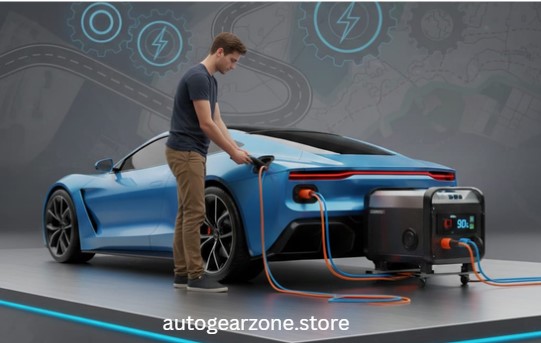
Some EV owners wonder about using a portable generator for ev car charging during emergencies. While technically possible, it’s not practical for regular use. A portable generator lacks the power output to charge a large battery pack quickly. You might add 3 to 5 miles of range per hour of generator runtime. That’s adequate for emergency situations but far too slow for daily charging.
The generators built into EREV vehicles are specifically designed for automotive use. They are compact, efficient, and integrated with the vehicle’s electrical system. A portable generator sits outside the vehicle and requires cables and adapters. Weather, noise, and safety concerns make this approach unsuitable except as a last resort.
Emergency Charging Options
If you own a pure electric vehicle and find yourself stranded, a portable generator can help. Choose a generator with at least 2000 watts of output. Use your vehicle’s standard charging cable. Set realistic expectations. You will charge slowly and consume significant fuel. Most EV owners find it more practical to call a tow truck to a charging station rather than waiting hours for a portable generator to add minimal range.
For EREV vehicles, the built-in generator eliminates these concerns entirely. The system is always ready, requires no setup, and operates safely while you drive. This convenience represents one of the biggest advantages of electric cars with gas generators.
Maintenance and Ownership Costs
Maintaining an electric car with gas generator involves less work than traditional vehicles but more than pure electric cars. The electric drivetrain requires minimal maintenance. Electric motors have few moving parts and do not need oil changes. Brake wear is minimal thanks to regenerative braking. Battery systems are designed to last the life of the vehicle.
The gas generator adds some maintenance requirements. You will need occasional oil changes for the small engine. Spark plugs need replacement every few years. The fuel system requires periodic attention to prevent stale gas issues. However, these maintenance needs are less frequent than conventional cars because the generator runs far fewer hours than a normal engine.

Running Costs
Fuel and electricity costs for EREV vehicles depend heavily on driving patterns. If you charge nightly and drive mostly within electric range, your fuel costs approach zero. Electricity for charging typically costs $121 to $180 monthly for average drivers. When you use the generator, add fuel costs at whatever current gas prices are. Mixed usage often results in overall costs 40 to 60 percent below conventional vehicles.
Insurance rates generally align with comparable conventional vehicles. EVREVs aren’t considered high-risk to insure. Depreciation has traditionally been higher than conventional cars but this gap is narrowing as electric vehicles gain acceptance. Battery degradation is minimal with modern lithium-ion packs. Most manufacturers warranty the battery for eight to ten years.
Environmental Impact and Efficiency
An EREV vehicle produces lower emissions than comparable gas-powered cars but more than pure electric vehicles. The environmental benefit depends on your driving patterns. For drivers who charge regularly and stay within electric range most days, emissions approach those of pure EVs. When the generator runs frequently, benefits decrease.
Still, even when using the generator, these vehicles pollute less than traditional cars. The generator runs at optimal efficiency rather than varying with driving conditions. Modern generators meet strict emissions standards. The electric drivetrain recovers energy through regenerative braking that would otherwise be wasted. Overall efficiency is higher than conventional powertrains.
Real-World Emissions
Studies show EREV owners typically drive 60 to 80 percent of miles on electricity alone. This means 60 to 80 percent reduction in local emissions compared to gas vehicles. For urban air quality, this represents significant improvement. EVREVs produce zero emissions during all-electric operation. In residential neighborhoods and city centers, they operate as cleanly as pure electric vehicles.
The generator adds a safety net without eliminating environmental benefits. You’re not burning gas unnecessarily during short trips. You’re not idling in traffic. The system uses fuel only when needed to extend range. This efficiency-first approach delivers real environmental gains while maintaining practicality.
Charging Infrastructure and Convenience
One major advantage of electric cars with gas generators is reduced dependence on charging infrastructure. You can charge at home using a standard outlet or install a Level 2 charger for faster charging. Many EREV owners never use public charging stations. The generator provides backup for situations where charging is not convenient.
This flexibility transforms the ownership experience. You’re not planning trips around charging stops. You’re not waiting 30 minutes at highway rest areas. Drive like you would in a conventional car. Use the electric range for daily driving and the generator for longer trips. It is the best of both worlds.
Home Charging Setup
Installing a Level 2 home charger costs $500 to $2000 depending on electrical work needed. This charger replenishes the battery overnight even with large battery packs. Most EREV vehicles charge fully in 3 to 5 hours with Level 2 equipment. Standard 120-volt outlets work too but charge slowly. Overnight charging on a regular outlet might not fully replenish a large battery.
Public charging remains available when convenient. Many EREV owners top up while shopping or during other stops. The generator means you’re never stranded if charging takes longer than expected or if a station is broken. This peace of mind is valuable for drivers transitioning from conventional vehicles.
Future of Range Extender Technology
The automotive industry continues developing EREV technology. Battery costs are dropping but remain the largest expense in electric vehicles. Range extenders allow manufacturers to use smaller batteries while still offering practical range. This reduces vehicle cost and weight. It makes electric vehicles accessible to more buyers.
Some manufacturers are exploring hydrogen fuel cells as range extenders. These systems would generate electricity from hydrogen with zero emissions. Others are developing more efficient gas generators that produce less pollution. Compact rotary engines show promise for range extender applications due to their small size and smooth operation.
Market Trends
Consumer interest in EREV vehicles remains strong in markets with limited charging infrastructure. China leads in both EREV production and sales. European buyers are showing renewed interest as they gain experience with pure electric vehicles and recognize range limitations. American buyers remain cautious but options are expanding.
The technology bridges the gap until charging infrastructure improves and battery costs decrease further. For many drivers, an electric car with gas generator represents the most practical path to electric mobility today. You get environmental benefits without range anxiety. You experience electric driving without infrastructure concerns. The combination works well for the current automotive landscape.
Smart Tips for EREV Ownership
Success with an electric car with gas generator depends on developing good charging habits. Plug in every night even if the battery is not empty. Treat it like charging your phone. This habit ensures maximum electric-only driving. You will use less gas and enjoy lower operating costs. The generator becomes truly a backup system rather than a regular power source.
Plan to maintain the gas system even if you rarely use it. Run the generator occasionally to keep fuel fresh and exercise the engine. Most vehicles do this automatically. Check oil levels regularly even though changes are infrequent. The small engine requires minimal attention but should not be completely ignored.
Expert Tip : Learn your vehicle’s operating modes. Most EREV vehicles let you choose when the generator runs. Some drivers prefer to save electric range for city driving and use the generator on highways. Others maximize electric operation and use the generator only when necessary. Understanding these modes, helps optimize efficiency for your specific driving patterns.
Making the Right Choice
Choosing an electric car with gas generator makes sense if you want electric driving without range limitations. These vehicles suit drivers who can charge at home but occasionally need to travel beyond electric range. They work well for people transitioning from conventional cars who aren’t ready to commit fully to electric-only operation.
Consider your daily driving distance and charging options. If you regularly drive more than 50 miles without opportunity to charge, an EREV provides flexibility. If you rarely exceed 200 miles per day and have home charging, a pure electric vehicle might serve you better. If charging infrastructure in your area is limited, the generator provides invaluable peace of mind.
Budget considerations matter too. EREV vehicles typically cost more than comparable conventional cars but less than pure electric vehicles with equivalent total range. Factor in fuel savings and potential tax incentives. Used options like the Chevrolet Volt and BMW i3 REx offer affordable entry into EREV ownership. These vehicles have proven themselves reliable and practical.
Think about your environmental priorities. An EREV will not match a pure electric vehicle for zero emissions operation. It delivers significant improvements over conventional vehicles while maintaining range flexibility. For many drivers, this compromise represents the most practical path to reducing automotive emissions today.
Common Questions About Electric Cars with Gas Generators
How long does the battery last in an EREV?
Battery packs in modern EREV vehicles are designed to last 10 to 15 years or 150,000 to 200,000 miles. Manufacturers typically warranty batteries for eight years or 100,000 miles. Degradation is gradual, usually losing 2 to 3 percent capacity per year. Even after significant use, the battery retains 70 to 80 percent of original capacity, which still provides useful electric range.
What happens when both the battery and gas tank are empty?
The vehicle will stop operating if both energy sources are depleted. However, this situation is extremely unlikely. Warning lights alert you when either is low. The generator typically reserves enough gas to provide 50 miles of range even after the fuel warning appears. Plan ahead and you will never face this scenario.
Can I use premium gas in the range extender?
Most EREV vehicles are designed for regular unleaded gasoline. Check your owner’s manual for specific recommendations. Using premium gas typically provides no benefit and wastes money. The generator runs at steady speed where premium fuel advantages do not apply.
Does the generator charge the battery faster on the highway?
Generator output remains constant regardless of vehicle speed. However, highway driving uses more energy than city driving, so the battery may discharge faster than the generator can replenish it. The system is designed to maintain adequate battery charge even under high-speed cruising. You will not notice any performance difference when the generator operates.
Are EREV vehicles more expensive to insure?
Insurance costs for EREV vehicles are generally comparable to similar conventional vehicles. The electric drivetrain doesn’t significantly increase risk from an insurance perspective. Some insurers offer discounts for electric and hybrid vehicles. Shop around and mention the EREV features when getting quotes.
Frequently Asked Questions
How far can you drive on electricity alone?
Most EREV vehicles provide 30 to 50 miles of pure electric range. Newer models from Chinese manufacturers offer 60 to 100 miles. This covers typical daily commuting for most people without using the generator.
Is the generator loud when it runs?
Modern EREV generators are engineered to run quietly. You’ll hear a slight hum under the hood but it’s far quieter than a conventional engine. Sound deadening materials keep cabin noise minimal. Many drivers report barely noticing when the generator starts.
Can you still drive if the generator breaks?
Yes, you can drive on battery power alone. You will be limited to the electric range before needing to charge. The vehicle remains functional as a pure electric car until you repair the generator.
Do you need special fuel for the generator?
No, regular unleaded gasoline is standard. The small engine has similar fuel requirements to any modern car. No special additives or fuel grades are necessary.
How often does the generator need maintenance?
Oil changes are typically required every 20,000 to 30,000 miles or two years, whichever comes first. This is much less frequent than conventional vehicles because the generator runs far fewer hours. Spark plugs last 60,000 to 100,000 miles.
Final Thoughts on Range Extended Electric Vehicles
Electric cars with gas generators offer a practical solution for drivers who want electric benefits without range limitations. These vehicles prove you do not have to choose between environmental responsibility and convenience. You get electric operation for daily driving with the security of extended range when needed. The technology works well today while we wait for charging infrastructure and battery technology to advance further.
For many drivers, an EREV represents the smartest choice in the current automotive market. You avoid range anxiety. You reduce emissions significantly compared to conventional vehicles. You experience the smooth, quiet power of electric motors. The small gas generator provides flexibility without major compromise. Whether you are considering a luxury SUV, an electric truck with gas generator, or an affordable sedan, EREV technology delivers real-world practicality that pure electric vehicles struggle to match today.