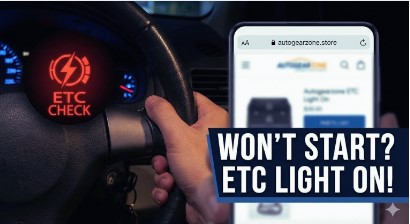
Electronic Throttle Control Light on Car Won’t Start: Causes, Fixes, and What to Do Next
|
Getting your Trinity Audio player ready...
|
Electronic Throttle Control Light on Car Won’t Start: Causes, Fixes, and What to Do Next
Modern vehicles rely heavily on electronics to deliver smooth, safe, and efficient driving. While this technology brings many benefits, it can also create confusion when something goes wrong. One of the most stressful situations drivers face is seeing the Electronic Throttle Control Light on Car Won’t Start warning. You turn the key or press the start button, and the car simply refuses to cooperate.
This issue matters because the electronic throttle system directly controls engine airflow and power. When it fails, the vehicle may shut itself down as a safety measure. In this guide, you’ll learn what the warning light means, why your car may not start, what you can safely check yourself, and when professional diagnosis is the best move. Everything is explained clearly, without technical overload.
Key Takeaways : Electronic Throttle Control Light on Car Won’t Start
- The electronic throttle control light signals a fault in the drive-by-wire throttle system.
- When the car won’t start, the system is blocking ignition to prevent unsafe throttle behavior.
- Common causes include a dirty throttle body, faulty sensors, wiring issues, or low battery voltage.
- Basic checks like battery condition, fuses, and visible connectors can identify simple problems early.
- A diagnostic scan is the most reliable way to confirm the issue and avoid unnecessary repairs.
Electronic Throttle Control
Electronic Throttle Control (ETC) is a modern vehicle technology that replaces the traditional mechanical throttle cable with electronic sensors and software. Instead of a direct physical connection, your accelerator pedal sends signals to the car’s computer, which then controls engine power smoothly and efficiently. This system improves fuel economy, enhances driving comfort, and supports advanced safety features like traction control and cruise control. In real world driving, ETC allows more precise throttle response, especially in stop-and-go traffic and highway cruising. Understanding how electronic throttle control works helps drivers recognize early warning signs, maintain performance, and avoid costly repairs while enjoying a safer, smarter driving experience.
ETC Light Car
When the ETC light appears in your car, it is your vehicle’s way of saying something is not right with the throttle system. This warning often shows up when the engine computer detects an issue with sensors, wiring, or the throttle body itself. While the car may still drive, you might notice reduced acceleration, hesitation, or rough idling. Ignoring the ETC light can lead to limp mode, limiting speed for safety reasons. The smart move is to check the issue early, as minor sensor problems are usually cheaper to fix than major component failures. Paying attention to the ETC light can save both time and money.
Electronic Throttle Control Warning Light
The electronic throttle control warning light is designed to alert drivers before a small issue becomes a serious problem. Common causes include a dirty throttle body, faulty pedal position sensor, or electrical connection issues. When this light turns on, your car may respond slower than usual or feel less powerful. While some drivers continue driving, it is best not to ignore this warning. Addressing it early helps protect engine performance and prevents unexpected breakdowns. For modern vehicles, timely diagnosis using a scan tool or professional inspection ensures safety, smooth acceleration, and long-term reliability.
Check Electronic Throttle Control
If you see a “check electronic throttle control” message, it is important to act calmly and methodically. Start by restarting the car to see if the warning clears, as temporary sensor glitches can occur. If it stays on, inspect basic items like battery condition and visible wiring. Many throttle issues are linked to low voltage or loose connections. When the warning persists, a diagnostic scan is the safest next step. Catching the problem early often means a simple fix instead of a costly repair. Knowing when to check and when to seek professional help keeps your vehicle running smoothly.
Electronic Throttle Control Light Flashing
A flashing electronic throttle control light usually signals a more urgent issue than a steady warning. This often means the vehicle has entered limp mode to protect the engine and transmission. Acceleration may feel limited, and driving at high speeds is not recommended. Flashing lights are commonly linked to serious sensor failures or throttle body malfunctions. If this happens while driving, slow down safely and avoid pushing the engine. Scheduling an immediate inspection can prevent further damage and higher repair costs. Treat a flashing ETC light as a priority warning, not something to postpone.
ETC Warning Light
The ETC warning light is often confused with the check engine light, but it serves a specific purpose. While the check engine light covers a wide range of issues, the ETC warning focuses directly on throttle-related problems. Drivers may experience uneven acceleration or delayed throttle response when this light appears. Understanding this difference helps avoid guesswork and speeds up diagnosis. Early attention to the ETC warning light improves safety and driving comfort. Whether it is a sensor fault or throttle body issue, prompt action keeps your vehicle responsive and reliable in everyday driving conditions.
Electronic Throttle System
The electronic throttle system is a combination of key components working together, including the accelerator pedal sensor, throttle body, and engine control unit. This system allows the car to calculate the exact amount of air needed for smooth acceleration. Compared to older mechanical systems, it offers better fuel efficiency and improved emissions control. Modern safety technologies also rely on the electronic throttle system to function correctly. Knowing how this system operates helps drivers understand warning signs and maintain their vehicle properly. A well-functioning electronic throttle system ensures consistent performance and a more enjoyable driving experience.
Throttle Body Light
When the throttle body light turns on, it often points to airflow problems inside the engine. Carbon buildup, dirt, or mechanical wear can prevent the throttle plate from opening and closing correctly. This can cause rough idling, stalling, or poor acceleration. Regular throttle body cleaning can prevent many of these issues and extend component life. Ignoring this warning may lead to more expensive repairs later. Addressing the throttle body light early helps restore engine responsiveness and fuel efficiency, making it an important signal for both new and experienced car owners.
Electronic Throttle Control Light
The electronic throttle control light provides valuable insight into how your engine responds to driver input. When illuminated, it suggests the throttle system is not communicating properly with the engine computer. Symptoms may include delayed acceleration or reduced power. While the car might still operate, performance and safety can be affected. Understanding this light allows drivers to take timely action and avoid sudden breakdowns. Regular maintenance and quick diagnostics help ensure the electronic throttle control system continues to deliver smooth, predictable performance on every drive.
Download Free PDF:
electronic_throttle_control_guideWhat Is the Electronic Throttle Control System?
The electronic throttle control system replaces the traditional mechanical throttle cable with electronic sensors and actuators. Instead of a direct physical connection, your accelerator pedal sends signals to the engine control unit (ECU), which then commands the throttle body to open or close.
This system allows better fuel efficiency, smoother acceleration, and improved emissions control. However, because everything depends on accurate sensor data, even small electrical issues can trigger warning lights. When the ECU detects a fault it cannot safely manage, it may prevent the engine from starting entirely.
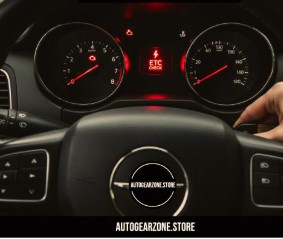
How the Throttle Control Communicates With Your Engine
Several components work together in this system. The accelerator pedal position sensor measures how far you press the pedal. The throttle position sensor monitors how open the throttle plate is. The ECU constantly compares these signals to ensure they match.
If the signals don’t align, the ECU assumes there is a risk of uncontrolled acceleration. To protect the driver and the vehicle, it limits engine power or disables starting. This is why electronic throttle problems often feel sudden and serious.
Why the Electronic Throttle Control Light Comes On
The throttle control warning light turns on when the ECU detects a fault affecting throttle accuracy. These faults may develop slowly but only trigger the light once they reach a critical point.
Common triggers include sensor wear, electrical signal loss, carbon buildup, or voltage instability. Sometimes the light appears after a battery replacement or jump-start because voltage fluctuations confuse the system. Understanding these triggers helps prevent unnecessary panic.
Sensor Failures and Signal Mismatch
Throttle position sensors and accelerator pedal sensors must stay perfectly synchronized. If one sensor sends incorrect data due to wear or contamination, the ECU detects a mismatch.
This mismatch may cause hesitation, rough acceleration, or stalling before the car stops starting altogether. Once the ECU loses confidence in the signals, it disables throttle control, resulting in the Electronic Throttle Control Light on Car Won’t Start condition.
Throttle Body Dirt and Carbon Buildup
Over time, carbon deposits build up inside the throttle body due to fuel vapors and exhaust gases. This buildup restricts airflow and prevents smooth throttle movement.
Electronic systems are extremely sensitive to resistance. Even minor sticking can confuse sensors and trigger warning lights. In many cases, professional throttle body cleaning restores normal operation, especially if caught early.
Electronic Throttle Control Light on Car Won’t Start — What’s Really Happening
When your car refuses to start with this warning light on, it is not malfunctioning randomly. The ECU is intentionally blocking engine operation because it cannot guarantee safe throttle control.
Some cars will crank but not start, while others won’t respond at all. Both scenarios are safety responses. The system prefers no movement over unpredictable behavior, especially in modern vehicles with advanced safety programming.
Expert Tip:
Disconnecting the battery may temporarily clear the warning light, but it rarely fixes the root cause. If the problem returns, proper diagnostics are necessary.
Common Symptoms Before the Car Won’t Start
Electronic throttle issues usually show warning signs before total failure. Drivers may notice delayed throttle response, uneven acceleration, or sudden power loss.
Other symptoms include rough idling, stalling at stops, or the car entering limp mode. Paying attention to these early signs can prevent being stranded and reduce repair costs.
Warning Signs You Should Never Ignore
If the throttle control light appears along with the check engine light, it’s a strong signal something needs attention. Jerky acceleration or inconsistent throttle response also indicate trouble.
Random behavior where the car drives fine one day and struggles the next often points to wiring or sensor issues. These problems typically worsen over time if ignored.
Can You Drive With the Electronic Throttle Control Light On?
In limited cases, you may still be able to drive carefully. If the car enters limp mode but remains controllable, short-distance driving to a repair facility may be possible.
However, if the car stalls, hesitates badly, or refuses to accelerate, driving is unsafe. When the Electronic Throttle Control Light on Car Won’t Start appears, forcing the vehicle can lead to breakdowns or safety risks.
Quick Tip:
If the light comes on while driving, pull over safely, turn off the engine, wait one minute, and restart. If the issue persists, avoid long drives.
Most Common Reasons the Car Won’t Start
| Problem Area | Typical Symptoms | Likely Solution |
|---|---|---|
| Throttle body | Rough idle, no start | Cleaning or replacement |
| Throttle position sensor | Stalling, warning light | Sensor replacement |
| Wiring or connectors | Intermittent faults | Wiring repair |
| ECU software | Random shutdowns | Software update |
| Weak battery | Multiple warning lights | Battery replacement |
This table highlights why accurate diagnosis matters. Similar symptoms can have very different causes.
Step-by-Step Checks You Can Do at Home
Start by checking the battery terminals for corrosion or looseness. Weak voltage can disrupt electronic communication even if the engine cranks.
Next, inspect engine-related fuses and relays. A blown fuse can disable throttle control entirely. You can also visually inspect wiring near the throttle body for damage or moisture. These steps help rule out simple issues before visiting a mechanic.
What You Should Not Attempt Without Tools
Throttle relearn procedures often require scan tools and manufacturer-specific steps. Attempting them incorrectly can worsen the problem.
Avoid ECU programming or sensor calibration without proper equipment. These systems are precise, and guessing may lead to additional fault codes.
When a Diagnostic Scan Is Necessary
If basic checks don’t resolve the issue, a diagnostic scan is essential. Modern vehicles store fault codes that pinpoint the exact reason the system shut down.
Skipping this step leads to guesswork and wasted money. A proper scan often costs around $121, which is far less than replacing unnecessary parts. Accurate data leads to faster, safer repairs.

Repair Costs and What to Expect
Throttle body cleaning is usually affordable. Sensor replacements fall into a moderate cost range. Wiring repairs vary depending on access and damage.
ECU-related problems are less common but more expensive. Fortunately, most electronic throttle issues are resolved without replacing the ECU when diagnosed early.
How Mechanics Diagnose This Issue
Professionals begin with a full system scan to read fault codes and live sensor data. This reveals how the throttle system behaves in real time.
They then inspect wiring, connectors, and throttle movement. If needed, they perform software updates or relearn procedures. This structured approach ensures the real problem is fixed, not just the symptoms.
Preventing Future Throttle Control Problems
Regular maintenance plays a major role. Keeping the throttle body clean helps sensors operate accurately. Using quality fuel reduces carbon buildup.
Battery health is also critical. Replacing aging batteries early prevents voltage-related faults that can confuse electronic systems. Small steps make a big difference.
Frequently Asked Questions
Why does the electronic throttle control light turn on and the car won’t start?
The ECU detects a throttle system fault and disables starting to prevent unsafe acceleration or engine damage.
Can a bad battery cause the electronic throttle control light?
Yes. Low voltage disrupts sensor communication and can trigger throttle-related warnings.
Will cleaning the throttle body fix a no-start problem?
It can, if carbon buildup is the cause. Sensor or wiring faults require additional repairs.
Is it safe to drive with the throttle control light on?
Only if the car drives normally. Loss of power or stalling means driving is unsafe.
Does disconnecting the battery reset the system?
It may clear temporary faults but does not fix the underlying issue.
Final Thoughts for Drivers
Seeing the Electronic Throttle Control Light on Car Won’t Start warning can be unsettling, but it doesn’t mean your vehicle is beyond repair. In most cases, the system is simply protecting you from unsafe operation. The key is to stay calm, avoid guesswork, and focus on proper diagnosis.
Early attention to warning signs, basic checks, and timely diagnostics can prevent costly repairs and unexpected breakdowns. With the right approach, electronic throttle issues are manageable, predictable, and often easier to fix than they first appear.