Electronic Throttle Control Light On and Car Wont Start: Causes, Fixes, and What to Do Next
|
Getting your Trinity Audio player ready...
|
Electronic Throttle Control Light On and Car Won’t Start: Causes, Fixes, and What to Do Next
Modern cars are smarter than ever, but that intelligence can sometimes feel frustrating especially when your dashboard lights up and the engine refuses to start. One warning that often causes confusion is the electronic throttle control light on car won’t start situation. It can appear suddenly, with little explanation, leaving drivers unsure whether the problem is serious or something simple. This issue matters because the throttle system directly affects how your car accelerates, idles, and even starts. When it fails, the vehicle may enter a protective mode or shut down completely. Understanding what the warning means, why it happens, and how to respond can save time, stress, and unnecessary repair costs while keeping you safe on the road.
Key Takeaways
- The electronic throttle control system replaces traditional throttle cables and relies on sensors and software.
- A warning light combined with a no-start condition is usually a safety response, not random failure.
- Battery, sensors, wiring, or throttle body issues are the most common causes.
- Some checks can be done at home before visiting a mechanic.
- Early diagnosis helps prevent bigger and more expensive repairs.
Free PDF Download:
throttle_control_guideElectronic Throttle Control Light On: What It Means
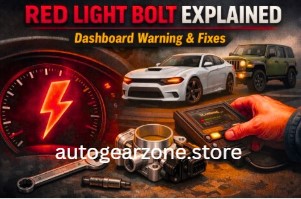
The Electronic Throttle Control Light On warning indicates a problem in the system that manages how your engine responds when you press the accelerator. Modern vehicles rely on electronic sensors instead of mechanical cables, so even small signal disruptions can trigger this light. When it appears, the vehicle may limit power to protect the engine and ensure safe operation.
Recognizing this warning early helps drivers avoid sudden performance loss and address issues before they affect everyday driving.
What Causes Electronic Throttle Control Light to Come On
What causes electronic throttle control light to come on is often linked to a faulty throttle body, failing accelerator pedal position sensor, wiring damage, or carbon buildup inside the throttle assembly. Low battery voltage or communication errors with the engine control module can also interrupt sensor signals and activate the warning light.
Why You Should Pay Attention
When this light stays on, your vehicle may enter limp mode, reduce acceleration, or respond unpredictably to throttle input. Prompt diagnosis can prevent minor electronic faults from developing into larger drivability or safety concerns.
Clear Takeaway for Drivers
If the Electronic Throttle Control Light On warning appears, it’s best to have the system checked with a diagnostic scan. Understanding what causes electronic throttle control light to come on allows drivers to act quickly, maintain reliable performance, and reduce the risk of unexpected breakdowns.
Understanding the Electronic Throttle Control System
The electronic throttle control system manages airflow into the engine without using a physical cable. Instead, it relies on sensors, actuators, and the engine control unit to interpret your input from the accelerator pedal. When you press the pedal, sensors send signals to the computer, which then opens or closes the throttle plate electronically. This setup improves fuel efficiency, emissions control, and driving comfort.
Because everything is electronically linked, accuracy is critical. If the system detects inconsistent data or a failure, it may restrict engine operation or stop the car from starting. This is why the electronic throttle control light exists it alerts you when something isn’t working as expected.
Why the Throttle Control Warning Light Can Stop the Car From Starting
When the throttle control warning light turns on and the car will not start, it’s usually because the system has entered a safety mode. The engine control unit constantly checks for accurate sensor signals. If it detects conflicting information, it may prevent ignition to avoid uncontrolled acceleration or engine damage.
This design prioritizes safety over convenience. While it can be frustrating, it protects drivers from unpredictable behavior. In many cases, the issue isn’t catastrophic but needs attention before normal operation can resume.
Common Causes of an Electronic Throttle Control Light With No Start
Several issues can trigger the electronic throttle control light and prevent starting. One frequent cause is a faulty throttle position sensor or accelerator pedal sensor. These sensors must agree with each other, and even a slight mismatch can trigger a shutdown.
Another common reason is low battery voltage. Electronic systems require stable power, and weak batteries or corroded terminals can send irregular signals. Wiring problems, dirty throttle bodies, and software glitches also contribute. Understanding these causes helps narrow down the problem quickly.
Battery and Electrical Problems That Often Get Overlooked
A weak or aging battery is one of the most underestimated causes of throttle control warnings. Even if the battery still powers lights and accessories, it may not provide enough voltage for sensitive electronics. Voltage drops during startup can confuse sensors and trigger fault codes.
Loose battery terminals, corroded grounds, or failing alternators also disrupt electrical stability. Checking the battery condition and connections should always be the first step when the electronic throttle control light on car won’t start appears.
Throttle Body Issues and Carbon Buildup
The throttle body controls how much air enters the engine. Over time, carbon deposits can accumulate around the throttle plate, causing it to stick or respond slowly. When the computer senses improper movement, it may activate the warning light and restrict starting.
Cleaning the throttle body can often restore proper function, especially if the issue developed gradually. However, severe wear or electronic failure may require replacement. Addressing buildup early prevents long-term damage and improves engine response.
Sensor Failures and Communication Errors
Electronic throttle systems rely on multiple sensors working together. The accelerator pedal position sensor, throttle position sensor, and airflow sensors must all send consistent data. If one sensor fails or sends inaccurate information, the system loses confidence in its readings.
This lack of trust causes the engine control unit to disable starting or enter a reduced-power mode. Sensor failures can be intermittent, making diagnosis tricky without proper scanning tools.
Wiring, Connectors, and Fuse-Related Problems
Modern vehicles contain extensive wiring networks. Damaged wires, loose connectors, or blown fuses can interrupt communication between throttle components and the engine computer. Moisture, heat, and vibration often contribute to these issues.
Visual inspections can sometimes reveal obvious problems like frayed wires or disconnected plugs. However, hidden faults may require professional testing. Ignoring wiring issues can lead to recurring warning lights and unpredictable behavior.
ECU Software Glitches and Relearn Procedures
Sometimes the issue isn’t hardware at all. Software glitches or outdated programming can cause false warnings or misinterpret sensor data. In such cases, the engine control unit may need a reset or relearn procedure.
Disconnecting the battery briefly can clear temporary faults, but it doesn’t fix underlying problems. Manufacturers occasionally release updates to improve throttle control behavior, making professional diagnostics worthwhile.
Can You Drive When the Throttle Control Light Is On?
Driving with the throttle control warning light depends on the situation. If the car starts and drives normally, you may be able to reach a safe location or service center. However, if the electronic throttle control light on car won’t start condition persists, forcing the issue is unsafe.
Sudden loss of power or unpredictable acceleration can occur. It’s best to avoid driving until the problem is identified, especially if the car refuses to start or stalls unexpectedly.
Simple Checks You Can Do Before Visiting a Mechanic
Before scheduling a repair, there are a few basic checks you can perform. Start by inspecting the battery terminals for corrosion or looseness. Ensure all fuses related to the engine and throttle system are intact.
Look for disconnected or damaged wiring near the throttle body. If comfortable, cleaning the throttle body with proper cleaner may help. These steps won’t solve every issue, but they can eliminate simple causes and save time.
Diagnostic Scans and What They Reveal
A diagnostic scan reads fault codes stored in the engine control unit. These codes point to specific sensors or systems involved. While a scan doesn’t always identify the exact failure, it provides valuable direction.
Repair costs vary depending on the issue. Simple fixes may be inexpensive, while sensor or throttle body replacements cost more. In many regions, diagnostic checks average around $109, making them a worthwhile investment before replacing parts blindly.
Expert Tip
From real-world experience, many throttle-related warnings stem from electrical issues rather than failed parts. Always check power supply and grounds before replacing sensors or throttle bodies.
Common Causes, Symptoms, and Solutions
| Cause | Symptoms | Possible Fix |
|---|---|---|
| Weak Battery | No start, warning lights | Battery replacement |
| Dirty Throttle Body | Rough idle, stalling | Throttle cleaning |
| Sensor Failure | Warning light, no response | Sensor replacement |
| Wiring Issues | Intermittent faults | Harness repair |
| ECU Glitch | Random warnings | Software update |
Quick Tip
If the car suddenly refuses to start and the throttle control light appears, turn off all accessories and try restarting after a few minutes. Sometimes resetting the system clears temporary faults.
Unique Q&A Section
Why does the warning light appear without warning?
Electronic systems react instantly to data conflicts, even if the issue developed slowly over time.
Can cold weather trigger throttle control problems?
Yes, cold temperatures can reduce battery performance and affect sensor readings.
Does disconnecting the battery fix the problem permanently?
It may clear temporary faults but won’t repair faulty components.
Are certain car brands more prone to this issue?
All modern vehicles with electronic throttles can experience it, though frequency varies.
How urgent is repair when the car won’t start?
Immediate diagnosis is recommended to avoid further complications.
FAQs
What causes the electronic throttle control light to turn on?
Sensor errors, electrical issues, dirty throttle bodies, or software problems are common triggers.
Can a bad throttle body stop the engine from starting?
Yes, if the throttle plate doesn’t respond correctly, the system may disable starting.
Is it expensive to fix throttle control issues?
Costs range from simple cleaning to more involved repairs, depending on the cause.
Will clearing the fault code solve the issue?
Only if the problem was temporary. Persistent faults will return.
Is it safe to ignore the warning if the car starts later?
Ignoring it risks sudden power loss and further damage.
Final Thoughts for Drivers Facing This Warning
Dealing with an electronic throttle control warning can feel overwhelming, especially when the car won’t start. The key is understanding that the system is designed to protect you, not inconvenience you. By recognizing common causes, performing simple checks, and seeking proper diagnostics, you can approach the situation calmly and confidently. The electronic throttle control light on car won’t start scenario often points to manageable issues when addressed early. Staying informed, maintaining your vehicle’s electrical health, and responding promptly to warnings will keep your car reliable and your driving experience stress-free.