Electronic Tint Windows for Cars: Smart Glass Technology Changing Comfort, Privacy, and Driving Experience
|
Getting your Trinity Audio player ready...
|
Electronic Tint Windows for Cars: Smart Glass Technology Changing Comfort, Privacy, and Driving Experience
The Evolution of Car Window Tinting
Car window tinting has come a long way from simple dark films glued to glass. What once focused mainly on looks and basic sun protection has now evolved into a smart, responsive technology. Modern drivers want more than shade. They want control, comfort, and safety. This demand has led to the rise of intelligent window solutions that adapt in real time.
Why Drivers Are Switching to Electronic Tint Windows
Today’s drivers expect their vehicles to feel like an extension of their lifestyle. Electronic tint windows offer flexibility that traditional tint cannot match. With the press of a button, glass can shift from clear to dark, offering privacy when needed and visibility when required. This balance is what makes the technology appealing to families, commuters, and luxury car owners alike.
How Smart Tint Is Changing Modern Vehicles
As vehicles become smarter, window technology is keeping pace. Electronic tint windows car systems integrate seamlessly with modern interiors, climate control, and even driving modes. They enhance the overall driving experience by reducing glare, managing heat, and creating a calm cabin environment that feels premium and future-ready.
What Are Electronic Tint Windows for Cars?
Electronic tint windows for cars are advanced glass systems that can change their transparency electronically. Unlike traditional tinted films that remain fixed, these windows allow drivers to adjust light and visibility instantly. This makes them ideal for varying driving conditions, from bright daylight to nighttime travel.
The technology is often referred to as smart glass or switchable glass. It works by applying a small electrical current that changes how light passes through the window. When powered on, the glass becomes clear. When powered off or adjusted, it darkens to provide shade and privacy.
This innovation is not just about comfort. Electronic tint windows car solutions also enhance safety by improving visibility when needed. Drivers can enjoy the benefits of tint without the permanent drawbacks that come with fixed darkness.

How Electronic Tint Window Technology Works
At the core of electronic tint windows is smart material science. The most common systems rely on thin films placed between layers of glass. These films respond to electrical signals, changing their structure to control light transmission.
PDLC Smart Glass Explained
Polymer Dispersed Liquid Crystal, or PDLC, technology uses liquid crystals suspended in a polymer. When electricity flows through the glass, the crystals align, allowing light to pass through clearly. When the power is off, the crystals scatter light, creating a frosted or tinted appearance.
SPD Technology Overview
Suspended Particle Device technology uses microscopic particles that move when voltage is applied. These particles align to allow light through or scatter to block it. SPD systems are known for smooth transitions and excellent glare reduction, making them popular in high-end vehicles.
Electrochromic Tint Basics
Electrochromic glass changes color gradually when voltage is applied. While slower than PDLC or SPD, it offers precise control over tint levels and is often used in sunroofs and panoramic glass roofs.
Together, these technologies make electronic tint windows car systems reliable, responsive, and adaptable to everyday driving needs.
Types of Electronic Tint Windows Used in Vehicles
Not all electronic tint systems are the same. Understanding the available options helps buyers choose the right solution for their vehicle and budget.
Factory-Installed Smart Glass
Some premium car manufacturers offer electronic tint windows as a factory option. These systems are fully integrated into the vehicle’s electrical and control systems. They provide seamless performance and long-term reliability.
Aftermarket Electronic Tint Kits
Aftermarket kits allow drivers to upgrade existing vehicles. These kits vary in quality and price but can deliver impressive results when installed professionally. They are popular among drivers who want modern features without buying a new car.
OEM vs Custom Solutions
OEM systems are designed specifically for a vehicle model, while custom solutions are tailored during installation. Both have advantages, depending on the driver’s needs and expectations.
Electronic Tint Windows vs Traditional Window Tint
| Feature | Electronic Tint Windows | Traditional Tint |
|---|---|---|
| Adjustability | Instant control | Fixed darkness |
| Privacy | Dynamic and on-demand | Static |
| Heat Reduction | Advanced and responsive | Moderate |
| Visibility | Adjustable for safety | Limited at night |
| Cost | Higher upfront | Lower upfront |
This comparison highlights why many drivers see electronic tint windows car systems as a long-term upgrade rather than a cosmetic change.
Key Benefits of Electronic Tint Windows in Cars
One of the biggest advantages of electronic tint windows is control. Drivers can adapt their window transparency to match weather, traffic, and personal comfort. This level of flexibility simply does not exist with traditional tint.
Heat reduction is another major benefit. Smart tint blocks infrared rays more effectively, helping keep the cabin cooler. This reduces reliance on air conditioning, which can improve fuel efficiency and comfort.
Privacy is also enhanced. Whether parked in a busy area or driving through traffic, electronic tint windows car solutions provide instant privacy without sacrificing visibility. Families appreciate the comfort, while professionals value the sleek, modern appearance.
Are Electronic Tint Windows Legal?
Window tint laws vary by region, and legality is a common concern. Electronic tint windows often make compliance easier because drivers can adjust transparency to meet regulations. Instead of being stuck with a permanently dark tint, users can switch to a legal level when required.
Many regions allow adjustable tint as long as it meets visibility standards during operation. This flexibility makes electronic tint windows car systems a practical option for drivers who want to stay within the law while enjoying the benefits of smart glass.
Installation Process Explained
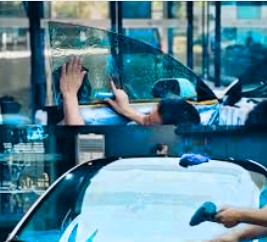
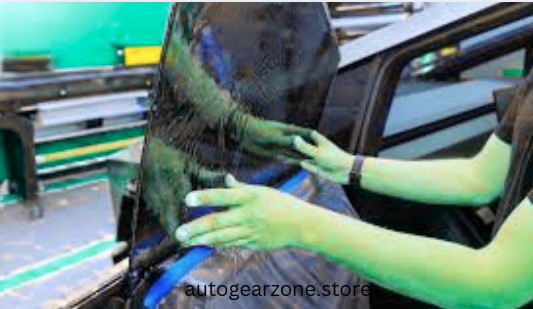
Installing electronic tint windows requires precision and experience. While some aftermarket kits advertise DIY installation, professional fitting is strongly recommended. Proper installation ensures even tinting, reliable electrical connections, and long-term durability.
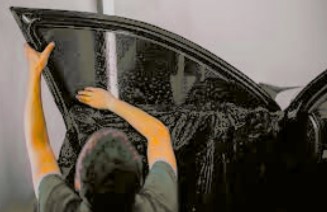
The process usually involves removing interior panels, fitting the smart film, and connecting it to a power source. Depending on the vehicle, installation can take several hours. Once installed, maintenance is minimal, with regular cleaning being the main requirement.
Cost Breakdown and Value Perspective
Electronic tint windows represent a higher upfront investment than traditional tint. Prices vary based on technology, vehicle size, and installation quality. Some basic systems start around a few hundred dollars, while premium setups can cost more.
However, the long-term value is where smart tint shines. Reduced heat, improved comfort, and enhanced resale appeal often justify the cost. In some cases, a targeted upgrade on specific windows can cost as little as $189, making the technology accessible to a wider audience.
Electronic Tint Windows and Luxury Vehicles
Luxury vehicles have embraced electronic tint windows as part of their premium experience. Brands known for innovation often integrate smart glass into sunroofs, rear windows, and even side panels. This creates a refined cabin environment that adapts to driving conditions.
Electric vehicles also benefit greatly from electronic tint windows car systems. By reducing heat and glare, smart tint helps manage battery efficiency and enhances passenger comfort during long drives.
Common Myths About Electronic Tint Windows
A common myth is that electronic tint windows are fragile. In reality, modern smart glass is designed to withstand daily use and harsh conditions. Another misconception is that they drain the car battery. The power consumption is minimal and does not impact vehicle performance.
Some drivers believe electronic tint is illegal everywhere. As discussed earlier, adjustable tint often makes compliance easier. Understanding the technology helps clear these misunderstandings.