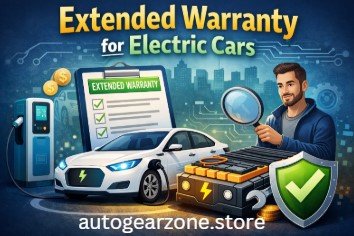
Extended Warranty for Electric Cars : What It Covers, What It Costs, and When It Makes Sense
|
Getting your Trinity Audio player ready...
|
Extended Warranty for Electric Cars : What It Covers, What It Costs, and When It Makes Sense
Electric cars are no longer a niche choice. They are now part of everyday driving across the world and regions. As more drivers switch to EVs, one important question keeps coming up: what happens after the factory warranty ends? This is where an extended warranty for electric cars becomes part of the conversation. Unlike traditional vehicles, EVs rely heavily on batteries, electric motors, and advanced electronics, which can be costly to repair outside warranty coverage. Understanding how extended warranties work helps EV owners make smarter, calmer decisions about long-term ownership without fear of unexpected repair bills.
Key Takeaways
- Extended warranties help manage long-term EV repair costs.
- Battery and electronics coverage matter more than engine parts.
- Costs vary based on vehicle age, mileage, and coverage depth.
- Used electric cars often benefit most from extended warranties.
- Reading exclusions carefully is just as important as price.
Free PDF Download:
ev_extended_warranty_guideUnderstanding Electric Car Warranties
Electric vehicles come with factory warranties that look different from those of gasoline cars. Most EV manufacturers separate coverage into general vehicle protection and specific battery warranties. This structure reflects how central the battery system is to an electric car’s value and performance.
An extended warranty for electric cars begins after the original warranty expires. It is designed to reduce financial risk by covering major components for additional years or miles. These plans can be purchased from manufacturers or third-party providers, each with different rules and benefits.
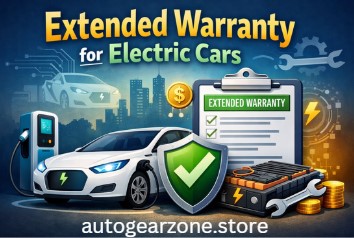
Factory Warranty vs Extended Warranty
A factory warranty usually lasts between three and five years for general components, while EV batteries often carry longer coverage, sometimes up to eight years. Once these periods end, repair costs become the owner’s responsibility.
An extended warranty steps in at that point. It does not replace the factory warranty but continues protection beyond it. For many drivers, this added layer of security feels reassuring, especially when keeping the car long term.
Why Electric Cars Need Different Coverage
Electric cars have fewer moving parts than gasoline vehicles, but the parts they do have are highly specialized. Power electronics, inverters, onboard chargers, and battery management systems are not inexpensive to fix.
This is why a car warranty for electric cars focuses less on mechanical wear and more on electrical reliability. Extended plans are often structured around these high-value systems rather than traditional engine components.
What an Extended Warranty for Electric Cars Usually Covers
Coverage varies by provider, but most plans focus on parts that would be financially painful to repair. Understanding these areas helps buyers judge whether the protection matches their needs.
An extended warranty for electric cars is typically modular, meaning you can choose broader or narrower protection depending on budget and risk tolerance.
Battery Coverage and Capacity Protection
The battery is the heart of an EV. Many extended warranties offer optional battery coverage beyond the factory limit. This may include protection against sudden failure or extreme capacity loss.
An extended warranty for electric car battery is especially valuable for drivers who plan to keep their EV beyond eight years or drive high annual mileage. Not all plans include batteries automatically, so this section of the contract deserves close attention.
Electric Motors and Power Electronics
Electric motors and inverters convert battery power into motion. While generally reliable, failures can be expensive when they happen. Extended warranties often cover these systems under major component protection.
This type of coverage helps stabilize ownership costs and reduces anxiety about long-term reliability as EV technology continues to evolve.
What Is Usually Not Covered
Not everything is included, and knowing exclusions prevents disappointment later. Wear-and-tear items like tires, brake pads, and suspension components are typically excluded.
Software updates, cosmetic issues, charging cables, and damage from environmental factors are also commonly left out. An extra extended warranty does not mean unlimited protection, so reading the fine print is essential.
How Much Do Extended Warranty Cost for Electric Cars?
Pricing varies widely depending on the vehicle, provider, and coverage level. Some basic plans start at a few hundred dollars, while comprehensive protection can cost several thousand over the term.
As a reference point, some owners report entry-level plans close to $121 per year, while premium packages are higher. Understanding total cost over time matters more than focusing on monthly payments alone.
Factors That Influence Warranty Pricing
Vehicle age and mileage play a major role. Older EVs with higher mileage typically cost more to cover. Battery size and brand reliability also affect pricing.
Luxury EVs and performance models often have higher premiums because replacement parts are more expensive. Comparing plans carefully helps avoid overpaying.
Expert Tip
Look closely at battery capacity clauses. Some warranties only cover complete failure, not gradual degradation. Knowing this detail prevents misunderstandings later.
Table: Factory Warranty vs Extended Warranty Comparison
| Feature | Factory Warranty | Extended Warranty |
|---|---|---|
| Battery Coverage | Limited years | Optional extension |
| Electric Motor | Included | Included |
| Electronics | Partial | Expanded |
| Transferable | Rare | Often available |
| Cost | Included in vehicle | Paid separately |
Best Extended Warranty for Electric Cars: What to Look For
There is no single best extended warranty for EV cars. The right plan depends on ownership goals, driving habits, and risk tolerance.
Manufacturer-backed warranties often integrate smoothly with service networks. Third-party providers may offer more flexibility or longer terms. Comparing exclusions, claims processes, and customer support matters more than brand names.
Extended Warranty for Used Electric Cars
Used EVs often benefit the most from extended protection. As factory warranties expire, owners face higher financial exposure, especially related to battery health.
An extended warranty for used electric cars can make ownership more predictable and improve resale value. Many buyers feel more comfortable purchasing a used EV when coverage is included.
Which Electric Car Has the Best Warranty?
Some manufacturers are known for generous battery warranties. Brands like Hyundai, Kia, and Tesla often receive attention for longer battery coverage compared to competitors.
However, factory warranty length should not be the only factor. Build quality, ral-world reliability, and service accessibility all influence long-term satisfaction.
Is an Extra Extended Warranty Worth It?
For drivers who keep vehicles for many years, extended coverage can make financial sense. High-mileage drivers and those without easy access to affordable EV repair centers may benefit most.
Short-term owners or lessees may not see the same value. Deciding whether to purchase an extra extended warranty depends on ownership plans and personal comfort with risk.
Quick Tip
Always check whether your extended warranty overlaps with existing factory or battery coverage. Paying twice for the same protection adds unnecessary cost without added benefit.
Common Mistakes EV Owners Make With Warranties
One common mistake is buying coverage too early, before factory protection expires. Another is ignoring exclusions and assuming everything is covered.
Some owners also focus only on price and overlook claims reputation. A cheaper plan is not helpful if repairs are difficult to approve.
Reader Q&A
Q1: Does an extended warranty cover battery degradation?
Some plans do, but many only cover sudden failure. Always check the capacity loss definition.
Q2: Can I transfer my EV warranty when selling the car?
Many extended warranties are transferable, which can improve resale value.
Q3: Are third-party warranties reliable for electric cars?
They can be, but research claims processes and customer reviews carefully.
Q4: Does software failure count as a covered repair?
Usually no, unless it directly affects covered hardware components.
FAQs
How long do extended warranties last for EVs?
Most range from two to seven additional years, depending on provider and plan.
Are extended warranties refundable?
Many offer prorated refunds if canceled early, but terms vary.
Do warranties cover fast-charging damage?
Some exclude damage caused by improper charging habits.
Are EV warranties different by country?
Yes, coverage terms and regulations vary by region.
Final Thoughts for EV Owners
An extended warranty for electric cars is not about fear. It is about clarity and control. As electric vehicles become more complex, understanding how long-term protection works helps owners plan smarter and drive with confidence. Whether you choose coverage or not, the key is making an informed decision based on how long you plan to keep your EV, how much you drive, and how comfortable you are with potential repair costs. When chosen carefully, an extended warranty can support a smoother and more predictable electric car ownership experience.