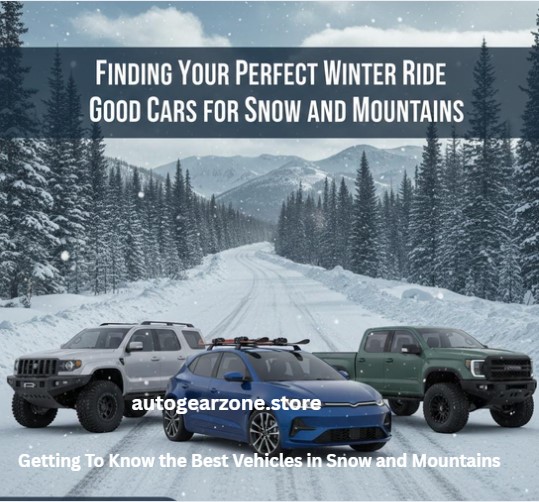
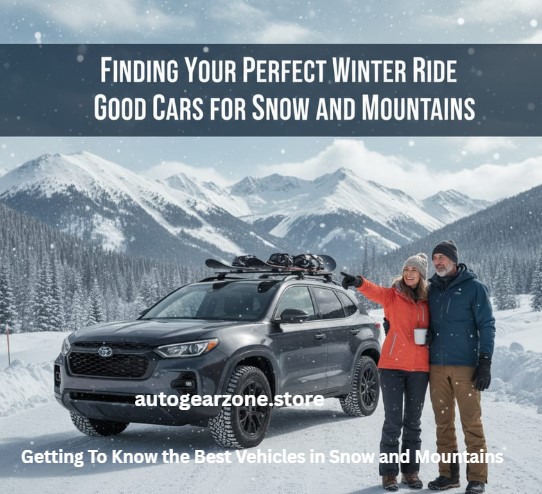
Finding Your Perfect Winter Ride : Good Cars for Snow and Mountains
|
Getting your Trinity Audio player ready...
|
Finding Your Perfect Winter Ride : Good Cars for Snow and Mountains
There’s something about that first serious snowfall that makes you question your car choices. Maybe you’ve felt your wheels spin helplessly on an icy hill, or watched nervously as your vehicle slid sideways despite your best efforts. If mountains are part of your daily landscape or winter hits hard where you live, your car needs to be more than just transportation. Finding good cars for snow and mountains isn’t about chasing the flashiest SUV or emptying your wallet.
It’s about matching the right features to your real-world needs. Whether you’re climbing mountain passes every weekend or just want to feel secure during your morning commute when the weather turns ugly, the right vehicle changes everything. Let’s dig into what actually works, across budgets that make sense for real people.
Key Takeaways
- Your tires matter more than your drivetrain winter tires transform any vehicle’s snow performance.
- Ground clearance around 8 inches gives you breathing room in deeper snow.
- All-wheel drive helps you go, but it won’t help you stop that’s all about tires and technique.
- You can find solid winter performers under $10,000 if you know where to look.
- Maintenance and preparation prevent most winter breakdowns.
Free PDF Download, Good Cars for Snow and Mountains
Good_Cars_Snow_MountainsQuick Tip
Always clear snow completely from your vehicle before driving. Snow on the roof flies off during acceleration or braking, potentially blinding drivers behind you or causing accidents. Takes a few extra minutes but prevents dangerous situations and it’s the law in many states.
What Actually Makes a Car Handle Winter Roads
Here’s the thing about winter driving, it’s not just one feature that keeps you safe. I’ve seen front-wheel drive sedans with great winter tires outperform AWD SUVs running on worn all-seasons. The magic happens when several things work together: how the car puts power down, where it sits relative to the road, and how its weight gets distributed.
Ground clearance becomes your friend when snow piles up. You know that sinking feeling when your car bottoms out and just sits there, wheels spinning? That happens when you don’t have enough space between your undercarriage and the road. Eight inches gives you a decent cushion for most winter conditions. Weight distribution affects traction too. Cars with engines sitting over the drive wheels naturally get better grip because gravity works in your favor.
How Power Gets to the Road
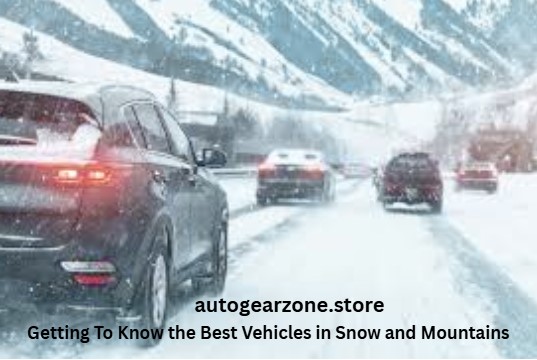
The way your car sends power to its wheels shapes everything about winter driving. Front-wheel drive does okay in snow because the engine’s weight pushes down on the wheels doing the work. Rear-wheel drive gets squirrelly fast, the light back end breaks loose and suddenly you’re going sideways. All-wheel and four-wheel drive systems spread power to all four corners, giving you options when conditions get nasty.
Modern AWD setups are honestly impressive. They’re watching your wheels constantly, making tiny adjustments hundreds of times per second. When one wheel starts slipping, power flows somewhere else before you even notice. Some systems can dump everything to whichever wheels have grip. This matters on mountain roads where you might hit black ice on a shaded corner, then dry pavement ten seconds later.
Budget-Friendly Picks That Won’t Let You Down
Let’s talk real numbers. Not everyone can drop thirty grand on a new SUV, and honestly, you don’t need to. Several solid options deliver genuine winter capability without the premium price tag. The secret is knowing which features actually matter and which are just marketing fluff.
Take the Subaru Impreza. Every single one comes with all-wheel drive, even the base models that cost less used. You can pick up a decent example without breaking the bank. Their AWD system just works, it’s symmetrical, meaning power splits evenly and reacts quickly when things get slippery. Add reasonable ground clearance and Subaru’s reputation for running forever, and you’ve got a winter car that makes sense.
Smart Shopping for Winter Capability
The Honda CR-V from 2012 forward gives you another angle. Standard versions are front-wheel drive, but AWD models show up plenty in used listings. These crossovers haul more stuff than sedans and sit high enough to handle moderate snow. The engines pull strong on uphill climbs without drinking fuel like larger vehicles.
Here’s an interesting one, the Mazda CX-5. Used models start around $121 per month in some markets if you finance smartly. It handles better than most crossovers, period. The AWD system works well, and the interior feels nicer than you’d expect for the money. Look for 2014 or newer to get better tech and improved fuel economy.
What Five Grand Gets You in Winter Transportation
Shopping with five thousand dollars means adjusting expectations, but good options exist if you’re patient. You’re looking at older vehicles with some miles on them. That’s fine, what matters is mechanical condition, not perfect paint or fancy features.
Older Subaru Outback’s and Foresters from the early 2000s pop up constantly in this range. Yeah, they’ve got miles, but the AWD systems hold up. Watch for head gasket problems on certain years, do your homework on which models to avoid. A well-kept example with maintenance records beats a cheaper one with mystery history every time.
The Toyota RAV4 from the mid-2000s runs practically forever with basic care. You’ll find both front-wheel and all-wheel drive versions. These little crossovers resist rust better than some competitors, which matters when winter salt attacks everything metal. Always check the underside carefully before handing over money for any used vehicle.
Making Budget Vehicles Safer
Whatever you buy for five thousand bucks, immediately invest in winter tires. This single upgrade matters more than anything else you could do. Plan on spending another $400 to $600 for four tires on steel wheels. The difference hits you the first time you touch the brakes on snow.
Get brakes checked, look at suspension parts, check all fluids. Older cars need attention to stay reliable. Fix worn parts now instead of gambling they’ll last. Breaking down on a mountain pass in a snowstorm creates dangerous situations and expensive towing bills that’ll cost more than the repair would have.
What Consumer Reports Testing Reveals
Consumer Reports puts vehicles through actual winter testing, not just marketing claims. They measure acceleration, braking, and handling on snow-covered surfaces. This stuff shows which cars deliver when roads turn dangerous.
Recent tests highlight some clear winners. The Subaru Ascent tops their three-row SUV category for winter performance. Standard AWD and generous ground clearance handle serious snow. Safety ratings look excellent too, which matters when you’re hauling family through bad weather.
The Mazda CX-50 gets praise for mixing winter competence with driving enjoyment. Some AWD systems feel numb and disconnected—this one lets you feel what’s happening while keeping you secure. The turbocharged engine gives you plenty of power for steep grades without struggling.
Sedans That Hold Their Own
Not everyone wants an SUV. The Subaru Legacy proves sedans can excel in snow with proper design. AWD comes standard, and the lower center of gravity actually helps cornering on slippery roads. Plus you’ll save fuel compared to most SUVs.
The Mazda6 with AWD represents another capable choice. AWD only showed up recently on this model, but it transforms winter behavior. The balanced chassis and responsive steering make navigating snow less stressful than in bigger, taller vehicles.
Serious Four-Wheel Drive for Serious Conditions
Four-wheel drive systems differ from AWD in important ways. These mechanical setups lock front and rear axles together, forcing all wheels to spin together. They dominate in deep snow, mud, and extreme situations but shouldn’t run on dry pavement.
The Toyota 4Runner stays popular with winter drivers facing harsh conditions. Body-on-frame construction and an available locking rear differential tackle stuff that stops crossovers cold. High ground clearance clears deep snow, and legendary reliability means fewer breakdowns in the middle of nowhere. You’ll burn more gas than car-based SUVs, but the capability justifies it.
Jeep Wranglers offer incredible versatility in challenging terrain. Their short wheelbase navigates tight mountain switchbacks easily. Different 4WD systems serve different needs, from basic part-time to advanced full-time with low-range gearing. Removable tops add summer fun, though winter demands the hardtop for warmth.
Pickup Trucks for Winter Work
The Ford F-150 with 4WD handles winter duties while being a practical work vehicle. Modern versions include smart traction systems complementing the mechanical 4WD. The turbocharged V6 option delivers strong power for towing through snow without V8 fuel consumption.
Chevrolet Silverado and GMC Sierra trucks share similar abilities with different styling. Their 4WD systems prove reliable across serious mileage. Crew cab versions provide family room while the bed handles winter gear, firewood, or work equipment.
Premium Choices That Add Comfort to Capability
Luxury vehicles mix winter performance with features making cold-weather driving more pleasant. Heated seats, heated steering wheels, and sophisticated climate systems come standard rather than as expensive add-ons. These cars also pack advanced safety tech that intervenes before trouble develops.
The Audi Q5 shows balanced luxury winter performance. Quattro AWD has built a solid reputation over decades for confidence in slippery conditions. The system runs full-time, constantly adjusting power for optimal traction. Interior quality beats most competitors, and tech features stay current even in older models.
BMW X3 models with xDrive AWD offer sporty handling that doesn’t vanish when roads get slippery. The system favors rear wheels normally for better dynamics but shifts power forward instantly when sensors catch slip. Engines range from efficient four-cylinders to powerful sixes for mountain driving.
Northern Engineering Philosophy
Volvo builds vehicles with harsh climates in mind from the start. The XC60 and XC90 include AWD as standard on most trims. Their safety systems rank among the most comprehensive available, with features like collision avoidance working in reduced visibility. The seats, designed for long distances, make winter road trips less tiring.
Mercedes-Benz 4MATIC AWD appears across their whole lineup from sedans to SUVs. The GLE-Class offers serious winter capability with available air suspension adjusting ride height for different conditions. Interior heating extends beyond seats to armrests, door panels, even the center console.
Top-Tier SUVs for Maximum Winter Confidence
Full-size luxury SUVs combine ultimate comfort with impressive capability. They cost more upfront and burn more fuel, but they deliver confidence in the worst conditions while carrying families and gear comfortably.
The Range Rover represents the peak of luxury SUV winter performance. Terrain Response systems optimize traction for specific conditions from snow to ice to mud. Air suspension adjusts ground clearance from low for highway efficiency to raised for deep snow. The interior rivals fine furniture in quality and comfort.
Lexus GX models use truck-based construction for serious off-road and winter capability. Conservative styling ages gracefully, and Toyota reliability means lower maintenance than European competitors. Full-time 4WD with low-range gearing handles situations stopping softer crossovers. Heated and ventilated seats work regardless of temperature.
Crossovers Mixing Premium and Practical
The Porsche Cayenne might seem odd for winter, but AWD performance impresses consistently. Powerful engines and advanced traction systems make mountain driving effortless. Handling stays sharp even on snow-covered roads, and interior craftsmanship justifies the premium price.
Acura MDX offers three-row seating with Super Handling All-Wheel Drive actively distributing torque between rear wheels for better cornering. This system works particularly well on winding mountain roads where inside and outside wheels travel different paths. The hybrid adds electric torque for instant response and better fuel economy.
Ten Thousand Dollar Sweet Spot Options
Ten grand opens significantly more choices than five. You can find newer vehicles with lower mileage or older premium models that originally cost much more. Smart shopping here delivers reliable winter transportation lasting several years.
Subarus dominate this bracket for good reason. Foresters from 2010 to 2014 combine AWD, good clearance, and practical cargo space. The boxy shape maximizes interior room and visibility. Reliability stays strong with proper maintenance. Watch for oil consumption on certain engines.
Honda Pilots from the early 2010s provide three-row seating and available AWD. These vehicles handle family duties year-round and transform into winter warriors when conditions deteriorate. The V6 provides ample power for mountain passes while staying reasonably efficient. Interior space beats most competitors at this price.
Crossover Value Champions
The Nissan Rogue with AWD appears frequently under ten thousand for 2011-2014 models. Fuel economy beats larger SUVs significantly, important for daily winter commuting. The continuously variable transmission operates smoothly in most conditions, though some drivers find it less engaging than traditional automatics.
Ford Escape models from 2013 onward with AWD offer solid winter performance and good cargo capacity. EcoBoost turbocharged engines provide strong acceleration for merging and passing. Tech features feel modern even in older examples, with available navigation and backup cameras.
Features That Matter Beyond the Basics
Choosing good cars for snow and mountains goes beyond picking AWD or 4WD. Several additional features significantly impact winter safety and comfort. Pay attention to these when shopping.
Electronic stability control became mandatory on newer vehicles but it’s missing from older models. This system prevents skids by automatically applying individual brakes and cutting engine power when sensors detect loss of control. The technology saves countless people from accidents every winter. Always choose vehicles with stability control.
Hill descent control helps when driving down steep, slippery grades. This feature automatically applies brakes maintaining safe speed without you touching anything. Your foot stays off the brake pedal, preventing wheel lockup causing skids. Many SUVs and trucks include this, particularly those designed for off-road use.
Monitoring Systems for Safety
Tire pressure drops when temperatures fall. Under-inflated tires reduce traction and increase stopping distances dangerously. Tire pressure monitoring systems alert you when pressure falls too low. Check and adjust tire pressure regularly during winter, ideally weekly when temperatures swing.
Heated mirrors and heated windshield wipers clear ice faster than manual scraping. These might seem like luxury touches, but they improve visibility significantly during storms. Heated washer nozzles prevent freeze-ups when you need to clear road salt spray from the windshield.
Why Winter Tires Change Everything
Even the best winter vehicles perform poorly on all-season tires when conditions turn severe. Winter tires transform any car’s capability through specialized rubber compounds staying flexible in freezing temperatures. The tread patterns bite into snow and channel away slush.
Testing proves winter tires reduce stopping distances by 30 to 40 percent on ice compared to all-seasons. That difference represents several car lengths at highway speeds, often the margin between stopping safely and colliding. Good cars for snow and ice become great cars when equipped properly.
Buy winter tires mounted on dedicated wheels. Swapping complete wheel-and-tire sets costs less than mounting and balancing tires twice yearly. Steel wheels work fine for winter and cost way less than alloys. Store off-season tires in a cool, dry spot away from sunlight.
Studded or Not
Studded winter tires provide maximum grip on pure ice through metal studs biting into the surface. Several states restrict or ban studded tires due to road damage. Check local rules before buying. Non-studded winter tires work nearly as well on ice and perform better on wet pavement through advanced rubber and aggressive treads.
Consider your typical winter conditions when choosing. If you regularly drive on glare ice, studs help. For mixed conditions including snow, slush, and occasional ice, modern non-studded winter tires deliver excellent all-around performance without legal restrictions or road damage concerns.
Keeping Your Winter Vehicle Running
Regular maintenance becomes even more critical during winter. Cold temperatures stress mechanical parts and fluids. A car running fine in summer might fail in harsh conditions without proper prep.
Check your battery before winter hits. Cold weather reduces battery capacity while engines need more power to start. Batteries over three years should be load-tested. Replace questionable batteries proactively rather than discovering failure on a freezing morning. Keep jumper cables or a portable jump starter in your car.
Antifreeze concentration protects against freeze damage and corrosion. Have coolant tested to ensure proper freeze protection for your climate. The mixture should protect to at least 20 degrees below your area’s typical winter lows. Flush and replace coolant on the manufacturer’s schedule, usually every 3 to 5 years.
Critical Fluid Changes
Use winter-weight oil in extremely cold climates. Thinner oils flow better during cold starts, reducing engine wear. Check your owner’s manual for recommended viscosity. Synthetic oils typically perform better in temperature extremes than conventional while lasting longer between changes.
Windshield washer fluid rated for freezing temperatures prevents freeze-ups in the reservoir and lines. Summer washer fluid freezes solid, potentially cracking the reservoir. Mix winter fluid strong enough for the coldest temperatures you expect, typically rated to minus 20 or minus 30 degrees.
Preparing for Mountain Emergencies
Even the most capable vehicles encounter trouble on mountain roads during winter. Carrying emergency supplies provides security and solutions if you get stranded. These items take minimal space but deliver maximum value during emergencies.
Pack a winter survival kit including blankets, extra warm clothing, high-calorie snacks, and water. Add a flashlight with extra batteries, first-aid kit, and necessary medications. A charged power bank keeps your phone working if you need help. Update your roadside assistance membership before winter.
Include recovery gear appropriate to your vehicle and likely conditions. A folding shovel helps dig out from snow banks. Traction aids like sand, cat litter, or purpose-built mats provide grip when wheels spin. Basic tools allow minor roadside repairs. A tow strap might help another stranded driver or let someone assist you.
Staying Connected
Download offline maps to your phone for areas where cell coverage disappears. Mountain regions often lack reliable signals. Paper maps provide backup navigation if electronics fail. Tell someone your route and expected arrival when traveling through remote areas during winter.
A basic AM/FM radio receives weather alerts and emergency broadcasts. Satellite communicators allow two-way messaging even without cell coverage. These devices cost less than before and provide genuine peace of mind in backcountry areas.
Expert Tip
When descending steep, snow-covered hills, use lower gears to let engine braking control your speed rather than relying solely on brakes. This technique prevents brake fade and maintains better control. Automatic transmissions offer manual shifting modes or low gear positions specifically for this purpose.
Frequently Asked Questions
What makes a car good for snow and mountains?
Good winter vehicles combine all-wheel or four-wheel drive with adequate ground clearance, electronic stability control, and appropriate tires. Engine power matters less than traction systems and weight distribution. Features like hill descent control and heated surfaces improve safety and comfort. But honestly, tires make the biggest difference regardless of drivetrain.
Do I really need all-wheel drive for winter driving?
Not necessarily. Front-wheel drive vehicles with winter tires handle moderate snow conditions successfully. All-wheel drive becomes more important in deep snow, on steep mountain roads, or in areas with frequent ice. Assess your typical winter driving honestly when deciding. I’ve driven front-wheel drive cars through entire winters with good tires and never had issues.
Are winter tires worth the investment?
Absolutely. Winter tires represent the single most effective upgrade for winter safety. They outperform all-season tires dramatically on snow and ice. Consider them essential equipment rather than optional accessories. The cost spreads across multiple winters since you alternate between tire sets seasonally. It’s the best money you’ll spend on winter safety.
How much should I spend on a winter vehicle?
Your budget determines options, but reliable winter vehicles exist at every price point. Prioritize mechanical soundness and essential features over cosmetic condition. A well-maintained older vehicle with all-wheel drive and winter tires performs better than a newer two-wheel drive car on all-season tires. Spend what makes sense for you, then invest in good tires.
What’s the difference between all-wheel drive and four-wheel drive?
All-wheel drive operates automatically, sending power to wheels with traction without driver intervention. Four-wheel drive requires manual engagement and often includes low-range gearing for extreme conditions. All-wheel drive suits most winter driving while four-wheel drive benefits serious off-road use and deep snow. Think of AWD as automatic and 4WD as manual with extra capability.
Comparison Table: Winter Vehicle Options by Budget
| Budget Range | Best Overall Pick | Key Strengths | Typical Mileage | Important Checks |
|---|---|---|---|---|
| Under $5,000 | Subaru Outback (2000-2005) | Standard AWD, reliable | 150,000+ miles | Head gaskets, rust, service history |
| Under $10,000 | Subaru Forester (2010-2014) | Practical space, good clearance | 80,000-120,000 miles | Oil consumption, CV boots, timing belt |
| $10,000-$20,000 | Mazda CX-5 (2014-2017) | Sharp handling, efficient | 60,000-90,000 miles | Rust protection, brake condition |
| $20,000-$30,000 | Honda CR-V (2017-2019) | Reliability, tech features | 40,000-70,000 miles | Transmission fluid, tire tread |
| Luxury | Audi Q5 (2015-2018) | Quattro AWD, premium interior | 50,000-80,000 miles | Maintenance records, wear items |
Making Your Choice and Moving Forward
Choosing good cars for snow and mountains comes down to matching your specific needs with available options. Think honestly about the conditions you face regularly. Someone dealing with occasional light snow needs different capabilities than a person navigating mountain passes weekly during winter.
Budget determines initial options, but smart shopping and proper maintenance extend what’s possible at any price point. A reliable older vehicle with winter tires outperforms a neglected newer one. Focus on mechanical soundness first, then consider features and comfort elements.
Remember that the vehicle represents just one component of winter driving safety. Your skills, judgment, and preparation matter enormously. The best winter car won’t prevent accidents if driven recklessly or without proper maintenance. Take winter driving courses if available in your area. Practice in empty parking lots to understand how your vehicle behaves when traction disappears.
Test drive vehicles in winter conditions if possible. How a car feels on dry pavement differs significantly from its behavior on snow and ice. Pay attention to visibility, control feel, and confidence levels. The right winter vehicle should reduce stress rather than create it. When everything comes together, capable vehicle, quality tires, good maintenance, and skilled driving, winter roads become manageable rather than terrifying.