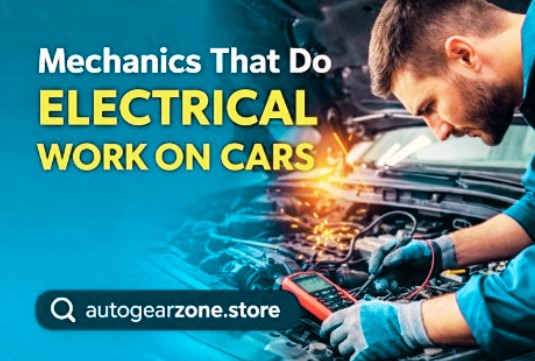
When Your Car Needs More Than a Wrench: Understanding Mechanics That Do Electrical Work on Cars
|
Getting your Trinity Audio player ready...
|
When Your Car Needs More Than a Wrench: Understanding Mechanics That Do Electrical Work on Cars
Modern vehicles have transformed into sophisticated machines where electricity powers everything from your engine’s spark plugs to your dashboard’s touchscreen. If you’ve ever wondered whether your local garage can handle that mysterious electrical gremlin in your car, you’re asking the right questions. The world of automotive repair has evolved dramatically, and understanding mechanics that do electrical work on cars can save you time, money, and plenty of frustration.
Today’s vehicles contain more computing power than the spacecraft that landed on the moon, making electrical expertise just as crucial as knowing how to change oil. Whether you drive a traditional combustion engine or you’re curious about electric vehicles, finding the right professional who can diagnose and fix electrical issues has become essential for every car owner.
Key Takeaways
- Modern automotive mechanics increasingly specialize in electrical systems as vehicles become more computerized.
- Car electrical mechanics handle everything from basic battery issues to complex computer diagnostics.
- Electric vehicle (EV) servicing requires specialized training beyond traditional mechanical skills.
- Professional automobile electricians use advanced diagnostic tools worth thousands of dollars.
- Regular electrical maintenance prevents costly breakdowns and extends vehicle lifespan.
Free PDF Download Mechanics That Do Electrical Work on Cars
automotive_electrical_mechanicsQuick Tip
If your vehicle experiences an electrical problem, write down exactly when it occurs, what you were doing at the time, and any patterns you notice. This information dramatically helps your mechanic narrow diagnostic possibilities, potentially saving you hours of diagnostic time and the associated costs. Even seemingly irrelevant details like weather conditions or recent vehicle activities might provide crucial diagnostic clues.
What Exactly Do Car Electrical Mechanics Handle?
The role of a car electrical mechanic extends far beyond replacing batteries or fixing blown fuses. These specialized technicians tackle the intricate network of wiring, sensors, modules, and computerized systems that keep modern vehicles running smoothly. From diagnosing why your check engine light won’t turn off to reprogramming your vehicle’s computer after a software update, their expertise covers a vast technical landscape.
Electrical work and maintenance in automotive settings involves working with 12-volt systems in traditional vehicles, hybrid battery systems that can exceed 300 volts, and increasingly complex infotainment systems. A skilled mechanic who does electrical work on cars can trace circuit problems through hundreds of feet of wiring, interpret diagnostic trouble codes, and understand how various electronic control units communicate with each other. This knowledge separates them from general mechanics who might excel at brake jobs and oil changes but struggle when faced with sensor malfunctions or computer glitches.
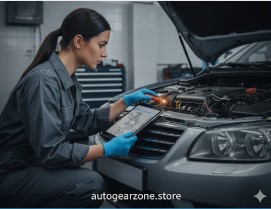
The Modern Auto Electrician’s Toolkit
Today’s modern auto electrician works with equipment that would seem like science fiction to mechanics from just twenty years ago. Diagnostic scanners can now communicate with dozens of separate computer modules in a single vehicle, reading live data streams and pinpointing faults with remarkable precision. These tools often cost $121 to several thousand dollars, representing a significant investment that professional shops must make to stay competitive.
Multimeters, oscilloscopes, battery load testers, and specialized software subscriptions form the foundation of electrical diagnostic work. Beyond these electronic tools, electrically driven equipment like power probe testers and circuit tracers help mechanics identify problems without tearing apart entire wire harnesses. The automobile electrician channel on various platforms showcases how these professionals use technology to solve problems that would have been nearly impossible to diagnose in previous decades.
Can Mechanics Work on Electric Cars? The EV Revolution
The question “can mechanics work on electric cars” doesn’t have a simple yes or no answer. Traditional mechanics possess transferable skills like suspension work, brake service, and tire maintenance that apply equally to electric vehicles. However, the high-voltage battery systems, electric motors, and regenerative braking systems require specialized certification and safety training that goes beyond conventional automotive education.
Electric vehicles represent different categories that each present unique challenges. A BEV car (Battery Electric Vehicle) like a Tesla Model 3 runs entirely on electricity with no combustion engine whatsoever. An HEV vehicle (Hybrid Electric Vehicle) combines a gasoline engine with electric motors, creating a complex powertrain that demands understanding of both traditional and electric systems. Understanding what is an EV car versus what are EVs in their various forms helps mechanics determine which additional certifications they need.
Types of Electric Cars and Service Requirements
When we discuss types of electric cars, we’re really talking about different levels of electrical complexity. PHEVs (Plug-in Hybrid Electric Vehicles) can drive on pure electricity for limited distances before the gasoline engine engages. These vehicles require mechanics who understand both traditional combustion engines and electric drive systems, making them perhaps the most technically challenging category to service properly.
Full battery electric vehicles simplify some aspects while complicating others. Without oil changes, transmission fluid replacements, or exhaust system repairs, BEV cars reduce certain maintenance needs dramatically. However, when electrical problems arise, they often require diagnostic skills and equipment that traditional shops may not possess. Specialized EV mechanics invest heavily in training programs offered by manufacturers and third-party organizations to stay current with rapidly evolving technology.
Do Mechanics Fix Electrical Problems? Understanding Specialization
Absolutely, but the real question becomes which electrical problems and at what level of complexity. Basic electrical repairs like replacing alternators, starters, and battery cables fall within the skillset of most competent general mechanics. These components have existed in vehicles for decades, and troubleshooting them follows well-established procedures that experienced technicians learn early in their careers.
However, modern vehicle electrical systems extend far beyond these fundamental components. When your adaptive cruise control stops working, your parking sensors give false readings, or your vehicle refuses to start despite a good battery, you need someone who can do mechanics work on electrical systems at an advanced level. These situations require understanding network communication protocols like CAN bus systems, interpreting complex wiring diagrams, and possessing the diagnostic equipment to test components that cost hundreds or thousands of dollars.
When General Mechanics Refer to Specialists
Do mechanics work on their own cars when facing electrical issues? Interestingly, many general mechanics admit they consult specialists or send their personal vehicles to dedicated electrical shops when confronting particularly challenging electrical problems. This professional humility actually demonstrates good judgment rather than inadequacy. Just as you wouldn’t expect your family doctor to perform brain surgery, expecting every mechanic to handle every electrical challenge unreasonably stretches their expertise.
Shops that advertise themselves as having mechanics that do electrical work on cars typically employ at least one technician with advanced electrical training or ASE L1 certification. These specialists become the go-to person when other mechanics in the shop encounter diagnostic challenges beyond routine repairs. This team approach ensures customers receive appropriate expertise while allowing general technicians to handle the broader range of mechanical work that keeps a busy shop profitable.
The Evolution of Automotive Electrical Systems
Vehicle electrical systems have undergone revolutionary changes over the past three decades. Cars from the 1990s might have contained one or two computer modules controlling basic functions like fuel injection and anti-lock brakes. Today’s vehicles routinely house thirty or more separate computer modules managing everything from engine performance to automatically adjusting your seat position when you unlock the doors.
This explosion in electronic complexity has created an entirely new specialization within the automotive repair industry. The car electrical mechanic role has elevated from someone who occasionally replaced alternators to a highly skilled diagnostic technician who must continuously update their knowledge as manufacturers introduce new systems. Vehicle networks now communicate at speeds measured in megabits per second, transmitting thousands of data points between modules every second your vehicle operates.
Diagnostic Challenges in Modern Vehicles
Finding the source of electrical problems in contemporary vehicles resembles detective work more than traditional wrench-turning. A single symptom might stem from a faulty sensor, corroded connector, software glitch, or even electromagnetic interference from aftermarket accessories. Skilled mechanics that do electrical work on cars develop systematic diagnostic approaches that eliminate possibilities methodically rather than randomly replacing parts hoping to stumble upon the solution.
Intermittent electrical problems present particular challenges because they may not occur when the vehicle sits in the repair shop. Advanced technicians use data logging capabilities built into vehicle computers to capture information about problems that come and go. They also understand how environmental factors like temperature and moisture affect electrical components, helping them recreate conditions that trigger elusive faults. This investigative approach separates experienced electrical specialists from technicians who lack the patience and methodology for complex diagnostics.
Training and Certification for Automotive Electrical Work
Becoming proficient at automotive electrical work requires substantially more than basic mechanical aptitude. Most successful automotive electricians complete formal training programs at technical schools or community colleges, where they study electrical theory, circuit analysis, and computer networking fundamentals. These programs typically span two years and include both classroom instruction and hands-on laboratory work with actual vehicle systems.
Professional certifications provide measurable validation of electrical expertise. The National Institute for Automotive Service Excellence (ASE) offers specific certifications in electrical and electronic systems, with their L1 Advanced Engine Performance Specialist credential representing the pinnacle of diagnostic expertise. Manufacturers also provide brand-specific training that covers proprietary systems and diagnostic procedures, often requiring mechanics to complete online modules and attend in-person workshops to maintain their certification status.
Continuous Learning Requirements
The automotive industry introduces new technologies so rapidly that electrical work and maintenance knowledge from five years ago may be insufficient for diagnosing current model year vehicles. Dedicated professionals subscribe to technical information services, attend regular training seminars, and participate in online forums where technicians share diagnostic strategies for particularly challenging problems. This commitment to continuous education distinguishes true specialists from mechanics who learned electrical basics decades ago and haven’t kept pace with industry changes.
Shops that employ mechanics that do electrical work on cars often invest thousands of dollars annually in training and technical subscriptions for each technician. This investment reflects the reality that electrical diagnostic ability directly impacts a shop’s reputation and profitability. Customers increasingly seek shops with demonstrated electrical expertise, particularly as vehicle electrical systems continue growing more complex with each model year.
Common Electrical Issues and How They’re Diagnosed
Battery and charging system problems remain among the most frequent electrical complaints mechanics encounter. However, diagnosing these seemingly simple issues has become more complex as vehicles incorporate battery management systems, smart alternators, and start-stop technology. A battery that tests fine on a standard load tester might fail under the specific demands of modern electrical systems, requiring more sophisticated testing equipment to identify subtle problems.
Lighting issues extend beyond replacing burned-out bulbs to troubleshooting LED assemblies, adaptive headlight systems, and complex body control modules that manage exterior lighting. When multiple lights fail simultaneously, skilled mechanics know to check ground connections, look for damaged wire harnesses, and verify proper communication between lighting modules and the vehicle’s computer network. These systematic approaches prevent the shotgun parts replacement strategy that wastes money and rarely solves underlying problems.
Computer Module Failures and Programming
Modern vehicles depend on dozens of electronic control modules that occasionally fail or require software updates to correct manufacturer-identified bugs. Replacing these modules isn’t simply a matter of bolting in a new part. Most modules require programming to match your vehicle’s VIN and configuration, a process that demands specialized equipment and manufacturer access codes. Some shops that advertise mechanics that do electrical work on cars actually lack the tools and subscriptions necessary for module programming, forcing them to refer these jobs to dealerships.
Security system problems create particularly frustrating situations because they can prevent your vehicle from starting even when nothing is mechanically wrong. Immobilizer systems, encrypted key fobs, and anti-theft modules interact in complex ways that require deep understanding of vehicle security architectures. Mechanics working on these systems must balance security integrity with the need to restore vehicle function, often walking a fine line between proper procedure and creative problem-solving when dealing with older vehicles whose security systems malfunction.
Electric Vehicle-Specific Electrical Work
Working on what is an EV car introduces entirely new electrical challenges compared to traditional vehicles. High-voltage battery packs typically operate between 200 and 800 volts, presenting serious shock hazards that require specific safety procedures and personal protective equipment. Mechanics must complete manufacturer-approved high-voltage safety training before touching any orange-colored cables or components that indicate high-voltage circuits.
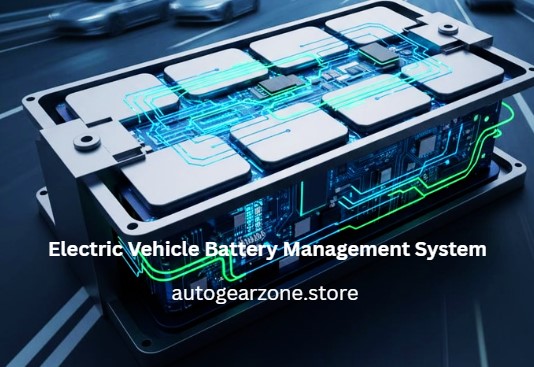
Battery management systems in BEV cars continuously monitor hundreds of individual cells within the battery pack, balancing charge levels and protecting against over-discharge or overcharging. When these systems malfunction, diagnosing the problem requires understanding battery chemistry, thermal management systems, and the sophisticated algorithms that optimize battery life and performance. This specialized knowledge explains why many traditional shops hesitate to service electric vehicles despite growing EV market share.
Charging System Diagnosis and Repair
Electric vehicle charging problems can stem from the vehicle itself, the charging equipment, or the interaction between them. Skilled EV technicians understand the communication protocols that occur when you plug in your vehicle, including how the car negotiates charging rates with different types of charging stations. They can distinguish between problems with the vehicle’s onboard charger, issues with the charging port, and external factors like inadequate electrical service at the charging location.
Regenerative braking systems that capture energy during deceleration and return it to the battery represent another area where traditional mechanical knowledge intersects with advanced electrical understanding. When regenerative braking feels inconsistent or stops working entirely, mechanics must diagnose problems that could involve the electric motor, battery system, brake control module, or the software that coordinates these systems. This integration of traditionally separate vehicle systems characterizes modern automotive technology and explains why mechanics that do electrical work on cars command premium hourly rates.
Finding the Right Automotive Electrical Specialist
Locating a qualified shop for electrical repairs requires more investigation than simply driving to the nearest garage. Ask potential shops specific questions about their diagnostic equipment, technician certifications, and experience with your vehicle’s make and model. Shops with dedicated car electrical mechanics typically advertise their electrical capabilities prominently, understanding that this specialization differentiates them from general repair facilities.
Customer reviews often reveal a shop’s electrical diagnostic capabilities. Look for comments about successful diagnosis of intermittent problems, accurate initial estimates, and reasonable diagnostic fees. Shops confident in their electrical abilities usually charge a diagnostic fee separate from repair costs, reflecting the time and expertise required to accurately identify electrical problems before throwing parts at symptoms.
Questions to Ask Your Mechanic
When interviewing potential shops, inquire whether they have manufacturer-specific diagnostic tools for your vehicle brand. Ask about their experience with your specific electrical complaint and whether they’ve successfully resolved similar problems previously. A reputable shop won’t guarantee they can fix your problem before diagnosing it, but they should explain their diagnostic process and provide a clear fee structure.
For electric vehicle work, verify that the shop has completed manufacturer-approved EV training and possesses the necessary high-voltage safety equipment. Ask whether they can perform software updates and module programming rather than simply referring these jobs to the dealership. Shops truly capable of comprehensive EV service represent a small but growing segment of the repair industry, and finding them now will serve you well as these vehicles become increasingly common.
The Cost Reality of Electrical Repairs
Automotive electrical diagnosis and repair typically costs more per hour than general mechanical work, reflecting the specialized knowledge and expensive equipment required. Diagnostic fees ranging from $100 to $200 represent reasonable charges for the time needed to accurately identify electrical problems. These fees usually apply toward repair costs if you authorize the work, though some shops charge diagnostic time separately regardless of whether you proceed with repairs.
Parts costs for electrical components vary dramatically. A simple relay might cost $20, while a body control module could exceed $1,000 before programming. The electrically driven equipment and diagnostic tools that shops use to identify these problems also factor into their hourly rates, which often range from $100 to $175 for electrical diagnostic work compared to $80 to $120 for general mechanical repairs.
Preventing Expensive Electrical Failures
Regular electrical system maintenance costs far less than major electrical repairs. Having your battery and charging system tested annually, keeping electrical connections clean, and addressing warning lights promptly prevents many expensive failures. Simple practices like disconnecting battery cables when storing a vehicle for extended periods and avoiding aftermarket electrical accessories from questionable manufacturers protect your vehicle’s electrical integrity.
Shops with experienced mechanics that do electrical work on cars often offer electrical system inspections that catch developing problems before they leave you stranded. These preventive services examine battery health, verify proper charging system operation, test for voltage drops in critical circuits, and scan for stored diagnostic trouble codes that might indicate emerging issues. The modest cost of these inspections returns significant value by preventing inconvenient breakdowns and expensive emergency repairs.
The Future of Automotive Electrical Work
Vehicle electrification continues accelerating, with most manufacturers committing to predominantly electric lineups within the next decade. This transition means mechanics will increasingly need to understand not just what are EVs but how to service them comprehensively. The demand for qualified automotive electricians will likely outpace supply for years, creating career opportunities for technicians willing to invest in specialized training.
Wireless vehicle updates, autonomous driving systems, and vehicle-to-grid technology represent emerging areas where electrical expertise becomes even more critical. Cars increasingly resemble computers on wheels, with software updates addressing problems that previously required physical repairs. Mechanics that do electrical work on cars must adapt to this reality, developing skills that bridge traditional automotive knowledge with information technology competencies.
Preparing for Electric Vehicle Dominance
Smart shop owners recognize that HEV vehicles and full battery-electric cars will dominate future repair work, prompting them to invest now in training and equipment for this transition. Forward-thinking technicians pursue EV certifications before their current customer base demands these services, positioning themselves as experts when demand inevitably increases. This proactive approach creates competitive advantages in a rapidly changing industry.
The role of the modern auto electrician will only grow more important as vehicles shed mechanical complexity in favor of electronic control. Understanding this trajectory helps both shop owners make strategic investment decisions and consumers appreciate the specialized expertise required to maintain their increasingly sophisticated vehicles. The mechanics who embrace continuous learning and technological adaptation will thrive in this evolving landscape.
Making Informed Decisions About Electrical Repairs
Armed with understanding about mechanics that do electrical work on cars, you can approach electrical problems with realistic expectations and informed questions. Remember that accurate diagnosis takes time and expertise, making diagnostic fees a worthwhile investment rather than an unnecessary expense. Shops that rush to conclusions or suggest replacing multiple components simultaneously without proper diagnosis often create additional problems while failing to address root causes.
Trust your instincts when selecting an electrical specialist. Mechanics who clearly explain their diagnostic process, show you relevant test results, and discuss options at different price points typically provide better service than those who speak in jargon or pressure you toward expensive solutions. The relationship between vehicle owner and trusted automotive electrician resembles that between patient and doctor—built on communication, competence, and mutual respect.
Expert Tip
Keep detailed records of all electrical repairs performed on your vehicle, including diagnostic findings and parts replaced. This history helps future technicians avoid repeating unsuccessful repairs and provides valuable context when troubleshooting recurring problems. Many modern electrical issues stem from multiple contributing factors, making comprehensive documentation essential for efficient diagnosis.
Frequently Asked Questions
Q1: How much should I expect to pay for automotive electrical diagnosis?
Most reputable shops charge between $100 and $200 for initial electrical diagnosis, which typically includes one to two hours of diagnostic time. Complex problems requiring extensive testing may incur additional diagnostic charges, but shops should communicate this before exceeding quoted diagnostic fees.
Q2: Can any mechanic work on my electric vehicle, or do I need a specialist?
General mechanics can handle many EV maintenance items like tire rotations, brake service, and cabin air filters. However, anything involving the high-voltage battery system, electric motors, or charging system requires a technician with specific EV training and certification for safety and proper diagnosis.
Q3: How do I know if my mechanic is qualified for electrical work?
Look for ASE certifications displayed in the shop, particularly A6 (Electrical/Electronic Systems) or L1 (Advanced Engine Performance). Ask about their diagnostic equipment and whether they regularly attend training updates. Quality shops will proudly discuss their qualifications and capabilities.
Q4: Why do electrical repairs cost more than mechanical work?
Electrical diagnosis requires expensive diagnostic equipment, specialized training, and often significantly more time than mechanical repairs. The complexity of modern vehicle electrical systems means technicians need extensive knowledge to avoid misdiagnosis and unnecessary parts replacement, justifying higher hourly rates.
Q5: Should I go to the dealership or an independent shop for electrical problems?
Both can provide excellent service, but dealerships typically have the latest factory diagnostic tools and direct manufacturer support. Independent shops with strong electrical capabilities often charge lower labor rates while still accessing most necessary diagnostic information through aftermarket subscriptions.
Comparison Table: Traditional vs. Modern Automotive Electrical Work
| Aspect | Traditional (Pre-2000) | Modern (2020+) |
|---|---|---|
| Computer Modules | 1-3 modules | 30-100+ modules |
| Diagnostic Equipment Cost | $500-$2,000 | $5,000-$25,000+ |
| Wiring Complexity | Simple point-to-point | Network-based communication |
| Required Training | Basic electrical theory | Advanced computer networking |
| Software Updates | Rare or non-existent | Regular and necessary |
| Voltage Systems | 12V only | 12V, 48V, 300V+ (EVs) |
| Diagnostic Time | 30-60 minutes typical | 1-4+ hours common |
| Common Repairs | Alternator, starter, battery | Module programming, sensor networks |
Final Thoughts on Automotive Electrical Expertise
The question of whether mechanics can handle electrical work on modern vehicles has a clear answer: some can, and exceptionally well, while others wisely recognize their limitations and refer these jobs to specialists. As vehicles evolve into sophisticated electronic platforms, the distinction between general mechanics and electrical specialists will only sharpen. Your vehicle represents a significant investment that deserves service from properly qualified professionals who invest in ongoing education and diagnostic equipment.
Finding mechanics that do electrical work on cars may require more research than locating a general repair shop, but the investment pays dividends through accurate diagnosis, efficient repairs, and vehicles that function as designed. Whether you drive a traditional combustion vehicle packed with electronics or you’ve embraced electric vehicle technology, understanding who can properly service your car’s electrical systems empowers you to make informed decisions that save money and prevent frustration. The shops and technicians who commit to electrical excellence today position themselves as essential partners for vehicle owners navigating an increasingly electronic automotive future.