What Does a Lightning Bolt Mean on a Car? Warning Light Explained for Modern Vehicles
|
Getting your Trinity Audio player ready...
|
What Does a Lightning Bolt Mean on a Car? Warning Light Explained for Modern Vehicles
Modern cars are packed with smart technology designed to keep driving smooth, efficient, and safe. But when a new symbol suddenly appears on your dashboard, it can be confusing and even stressful. One symbol that often raises questions is the lightning bolt icon. Many drivers wonder what it means, whether it’s serious, and if they should stop driving right away. Understanding what does a lightning bolt mean on a car matters because this warning is closely tied to how your vehicle responds when you press the accelerator. Ignoring it can affect performance and safety. In this guide, we’ll break everything down in clear, simple language so you know exactly what’s happening and what to do next.
Key Takeaways
- The lightning bolt symbol usually relates to the electronic throttle control system
- A red or flashing lightning bolt often signals a more urgent issue
- Your car may limit power to protect the engine and drivetrain
- The warning can appear suddenly, even while driving normally
- Early diagnosis often prevents bigger and more expensive repairs
Free PDF Download:
Lightning_Bolt_Warning_GuideWhat Does a Lightning Bolt Mean on a Car?
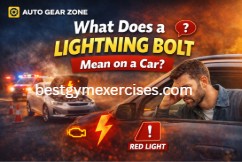
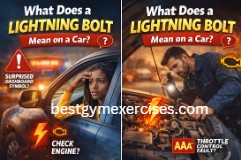
At its core, the lightning bolt warning light indicates a problem with your car’s electronic throttle control system. In older vehicles, the throttle was operated by a physical cable connected to the accelerator pedal. Modern cars use sensors, computers, and electronic actuators instead. When something in this system does not work as expected, the dashboard shows the lightning bolt symbol.
Understanding what does a lightning bolt mean on a car helps you react calmly. The symbol is not random. It appears when the car’s computer detects abnormal signals between the accelerator pedal, throttle body, or control module. The vehicle may reduce engine power to prevent damage or unsafe acceleration. This is why some drivers notice slower response or limited speed when the light comes on.
Why This Warning Light Appears While Driving
Electronic Throttle Control Problems
The most common reason for the lightning bolt light is a fault within the electronic throttle control system. This system relies on multiple sensors to measure how far you press the accelerator and how much air enters the engine. If one sensor sends inconsistent data, the system cannot operate reliably.
In these cases, the car chooses safety over performance. You may still be able to drive, but acceleration feels weak or delayed. This is a built-in protection feature rather than a sudden mechanical failure.
Software or Communication Errors
Sometimes, the issue is not a broken part but a communication problem. The engine control unit constantly exchanges data with throttle sensors and actuators. A software glitch, voltage drop, or temporary signal loss can trigger the lightning bolt warning.
These situations can happen after jump-starting a vehicle, driving with a weak battery, or during extreme temperature changes. Even though the issue may be temporary, it should never be ignored without proper diagnosis.
What Does a Red Lightning Bolt Mean on a Car?
A red lightning bolt carries more urgency than an amber or yellow one. When drivers ask what does a red lightning bolt mean on a car, the answer usually involves a serious throttle control fault. Red warnings often indicate that the car has detected a condition that could affect safe operation.
In many cases, the vehicle enters a reduced power mode immediately. You may feel the engine struggling to respond or notice the car refusing to accelerate beyond a certain speed. This is a clear signal to pull over safely and have the system checked as soon as possible.
What Does a Flashing or Blinking Lightning Bolt Mean on a Car?
A flashing or blinking lightning bolt symbol usually means the issue is active and ongoing. Unlike a steady light that may indicate a stored fault, flashing signals demand immediate attention. Many drivers search for what does a flashing lightning bolt mean on a car because the behavior feels alarming.
When flashing occurs, the system is detecting rapid or repeated errors. Continuing to drive in this condition can worsen the problem or lead to complete throttle failure. If safe, it’s best to stop driving and arrange for diagnostics or towing.
Lightning Bolt Symbol on Dodge Vehicles Explained
What Does a Lightning Bolt Mean on a Dodge Caravan?
Dodge vehicles, especially the Dodge Caravan, are well known for using the lightning bolt symbol for throttle-related warnings. If you’re wondering what does a lightning bolt mean on a Dodge Caravan, it almost always points to the electronic throttle control system.
Common causes include a dirty throttle body, worn sensors, or wiring issues. Drivers often report hesitation, sudden power loss, or difficulty maintaining speed. The warning may appear even during light driving, which can be frustrating without proper understanding.
What Does a Red Lightning Bolt Mean on a Dodge Caravan?
When the lightning bolt turns red on a Dodge Caravan, the system has detected a severe fault. Many owners ask what does a red lightning bolt mean on a Dodge Caravan because it often appears without prior symptoms.
In these cases, the vehicle may limit speed significantly. While the engine usually does not shut off, it becomes unsafe to continue driving long distances. Prompt inspection helps avoid additional damage.
Can You Keep Driving With the Lightning Bolt Light On?
Whether you can keep driving depends on how the warning appears. A steady light with normal driving behavior may allow short trips at reduced speeds. However, flashing or red warnings should be treated as urgent.
Understanding what does a lightning bolt light mean on a car helps drivers make safer decisions. If acceleration feels unpredictable or limited, driving further can increase risk. Always prioritize safety over convenience.
Common Symptoms That Appear With the Lightning Bolt Light
Drivers often notice changes in how the car feels when this warning appears. These symptoms can vary depending on the severity of the issue and the vehicle model.
You may experience rough idling, delayed throttle response, sudden power loss, or difficulty maintaining highway speed. In some cases, the engine may feel smooth but unresponsive. These signs confirm that the throttle system is not operating normally and needs attention.
Quick Tip
If the lightning bolt light appears suddenly, try turning the engine off and restarting after a few minutes. While this does not fix the problem, it can help determine whether the issue is persistent or intermittent.
What Causes the Lightning Bolt Light to Turn On?
Several issues can trigger this warning, ranging from simple maintenance needs to more complex electrical faults. Identifying the cause early helps prevent unnecessary repairs.
| Possible Cause | Severity Level | Typical Solution |
|---|---|---|
| Dirty throttle body | Medium | Cleaning and inspection |
| Faulty throttle position sensor | High | Sensor replacement |
| Accelerator pedal sensor issue | High | Diagnostic testing |
| Wiring or connector damage | High | Repair or replacement |
| Weak battery or voltage drop | Medium | Battery testing |
| ECU communication error | High | Professional diagnosis |
Each cause affects how the system interprets driver input. That’s why diagnostics are essential rather than guessing.
How Much Does It Cost to Fix a Lightning Bolt Warning?
Repair costs depend on the underlying problem. Simple issues like cleaning a throttle body are usually affordable. In contrast, sensor replacements or wiring repairs can be more expensive.
Many repair shops charge around $95 for a diagnostic scan, which helps pinpoint the exact issue. Investing in proper diagnosis often saves money by avoiding unnecessary part replacements and repeated visits.
How Mechanics Diagnose This Warning Light
Professional diagnosis begins with an electronic scan of the vehicle’s control modules. Mechanics look for stored fault codes related to throttle position, actuator performance, or communication errors.
They may also inspect wiring, test sensors, and perform live data analysis while the engine is running. This thorough approach ensures the repair addresses the root cause rather than just clearing the warning temporarily.
Expert Tip
From an automotive technician’s perspective, throttle-related warnings should never be ignored. Even if the car feels drivable, the system may be compensating for a hidden fault that could worsen without warning.
How to Prevent the Lightning Bolt Warning From Returning
Preventive maintenance plays a key role in avoiding throttle system issues. Keeping the throttle body clean helps sensors operate accurately. Regular battery checks also prevent voltage-related communication problems.
Updating vehicle software when recommended by the manufacturer ensures compatibility between control modules. Gentle driving habits, especially during cold starts, also reduce strain on electronic components.
Unique Q&A Section
Can weather conditions trigger the lightning bolt light?
Extreme heat or cold can affect sensors and wiring, sometimes triggering temporary faults.
Does this warning affect fuel efficiency?
Yes, reduced throttle response can alter engine performance and fuel usage.
Can a weak battery cause this issue?
Low voltage is a common contributor to electronic throttle warnings.
Is this linked to the check engine light?
Sometimes both lights appear together, indicating related system faults.
Does resetting the battery fix it permanently?
Battery resets may clear temporary errors but do not fix underlying problems.
Frequently Asked Questions
Is the lightning bolt warning dangerous?
It can be if ignored, especially when flashing or red.
Can the light turn off by itself?
Temporary issues may clear, but persistent faults require repair.
Is it safe to drive short distances?
Only if performance feels normal and the light is steady.
Is this covered under warranty?
Some throttle components may be covered depending on vehicle age and mileage.
Final Thoughts for Everyday Drivers
Dashboard symbols are designed to communicate clearly, but only if drivers understand them. Knowing what does a lightning bolt mean on a car removes uncertainty and helps you respond confidently. This warning is closely tied to throttle control, which directly affects how safely your vehicle accelerates and maintains speed. While some cases are minor, others require immediate attention. Paying attention to symptoms, acting early, and seeking proper diagnosis protects both your car and your peace of mind. With the right knowledge, this once-confusing symbol becomes a helpful guide rather than a source of stress.